

6 min read
Jun 23, 2026
Spot gutter damage early—sagging, overflow, rust, leaks—and prevent expensive repairs. See causes, risks, and proven fixes to protect your home.

Gutters don’t get much attention until something goes wrong. They sit quietly along the roofline doing one essential job: moving water away from your home. When they fail, the consequences show up everywhere. Foundation cracks. Basement flooding. Rotting fascia. Mold is creeping into places you can’t see.
The frustrating part is that most gutter damage starts small. A clog here. A loose bracket there. Left unchecked, these minor issues snowball into expensive repairs. This guide walks you through how to spot problems early, what causes them, and how to keep your gutters working the way they should.
Catching gutter problems before they escalate saves you money and stress. Here’s what to look for.
Sagging sections. Gutters should follow a straight, slightly sloped line along the roof edge. If you notice dips or sections pulling away from the fascia board, the hangers or brackets are failing. This is one of the most visible signs of gutter problems and it usually means excess weight from debris or standing water has stretched the system beyond its limits.
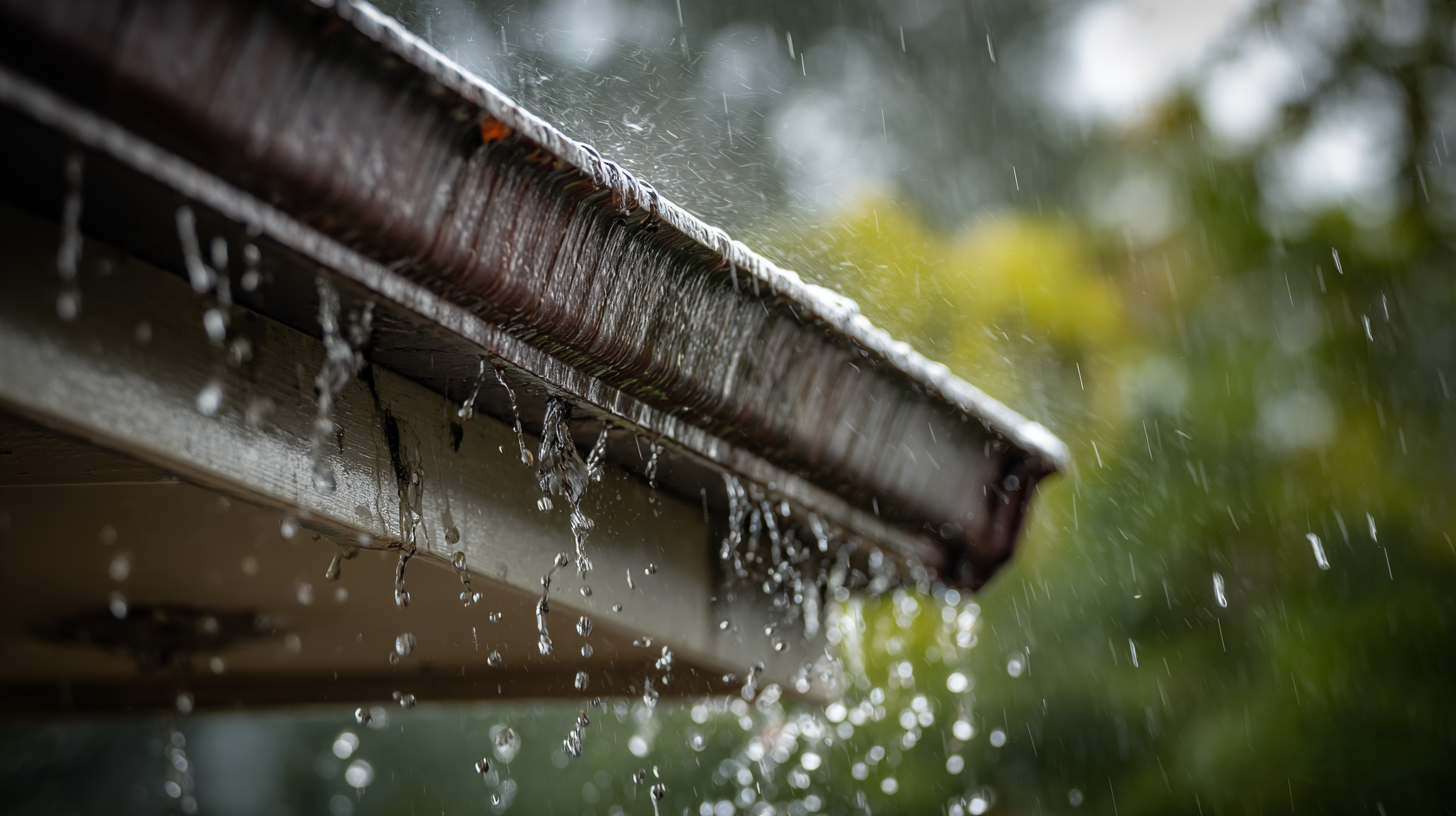
Overflowing water during rain. Step outside during a moderate rainfall and watch your gutters. Water should flow smoothly into the downspouts. If it’s sheeting over the edges, something is blocking the channel. Overflows don’t just waste the gutter’s purpose. They dump concentrated water right next to your foundation.
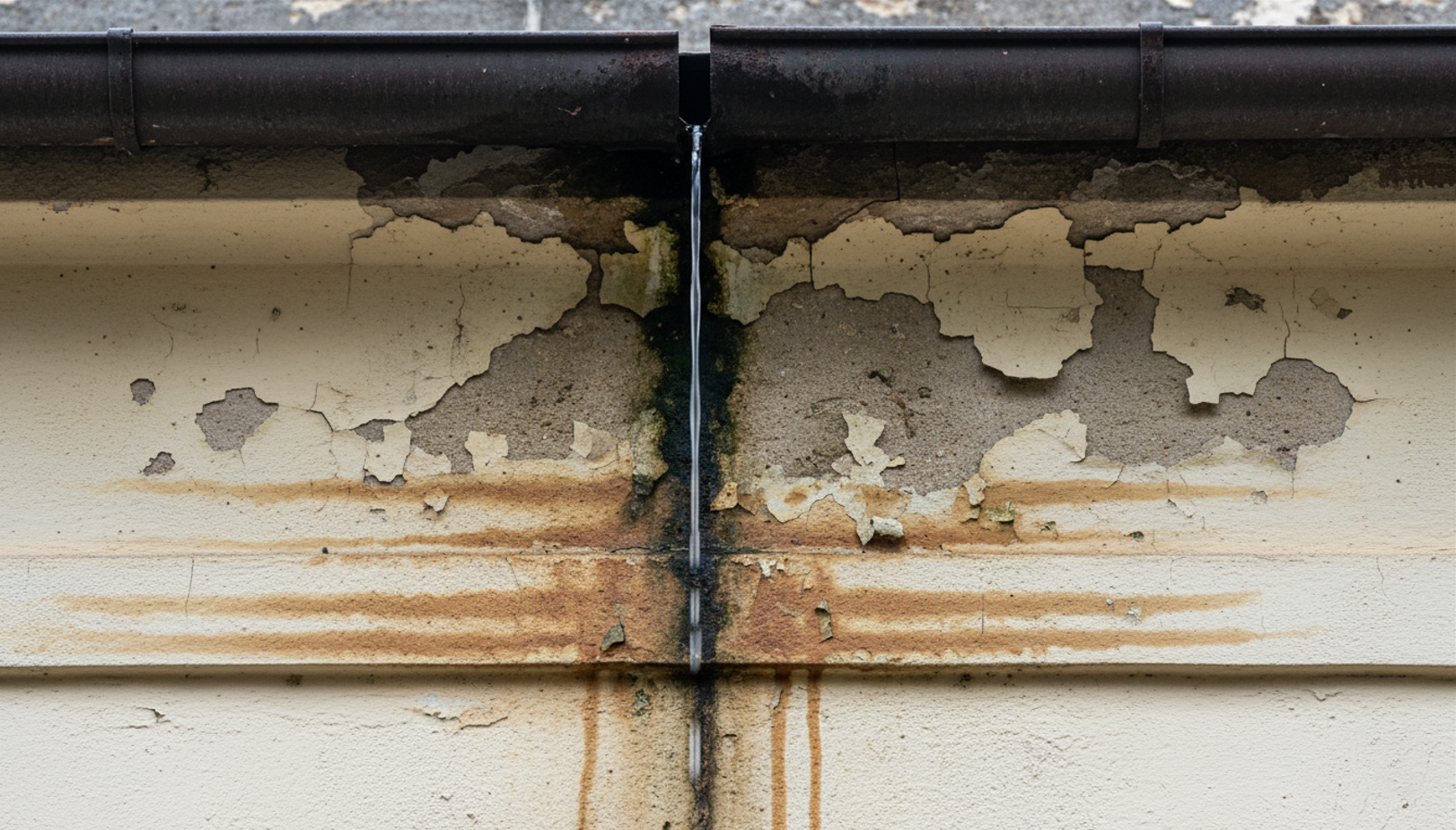
Cracks, holes, and rust. Small cracks in aluminum gutters can be hard to spot from the ground. Rust streaks on steel gutters are easier to see. Either one means the material has been compromised and water is escaping where it shouldn’t.
Stains or peeling paint on siding. Horizontal water marks along your exterior walls are a telltale sign. Water is spilling over or leaking through damaged joints and running down the face of your home. Over time, this moisture destroys paint, warps wood, and encourages mold growth.
Pooling water near the foundation. After a storm, walk the perimeter of your house. If you see puddles collecting within a few feet of the foundation walls, your gutters or downspouts aren’t directing water far enough away. This is where serious structural damage begins.
A wet basement. Musty smells, damp walls, or visible water in the basement often trace back to gutter failure. It’s easy to blame the foundation itself, but the root cause is frequently above your head. Damaged gutters let water saturate the soil around your home, and that hydrostatic pressure pushes moisture straight through the basement walls.
Plants growing in the gutters. If you see green shoots poking up from your roofline, there’s enough decomposed organic material sitting in those channels to support plant life. That means the gutters haven’t been cleaned in a long time and are almost certainly clogged.
Understanding what wrecks your gutters helps you prevent it from happening again. Some causes are seasonal. Others build up over the years.
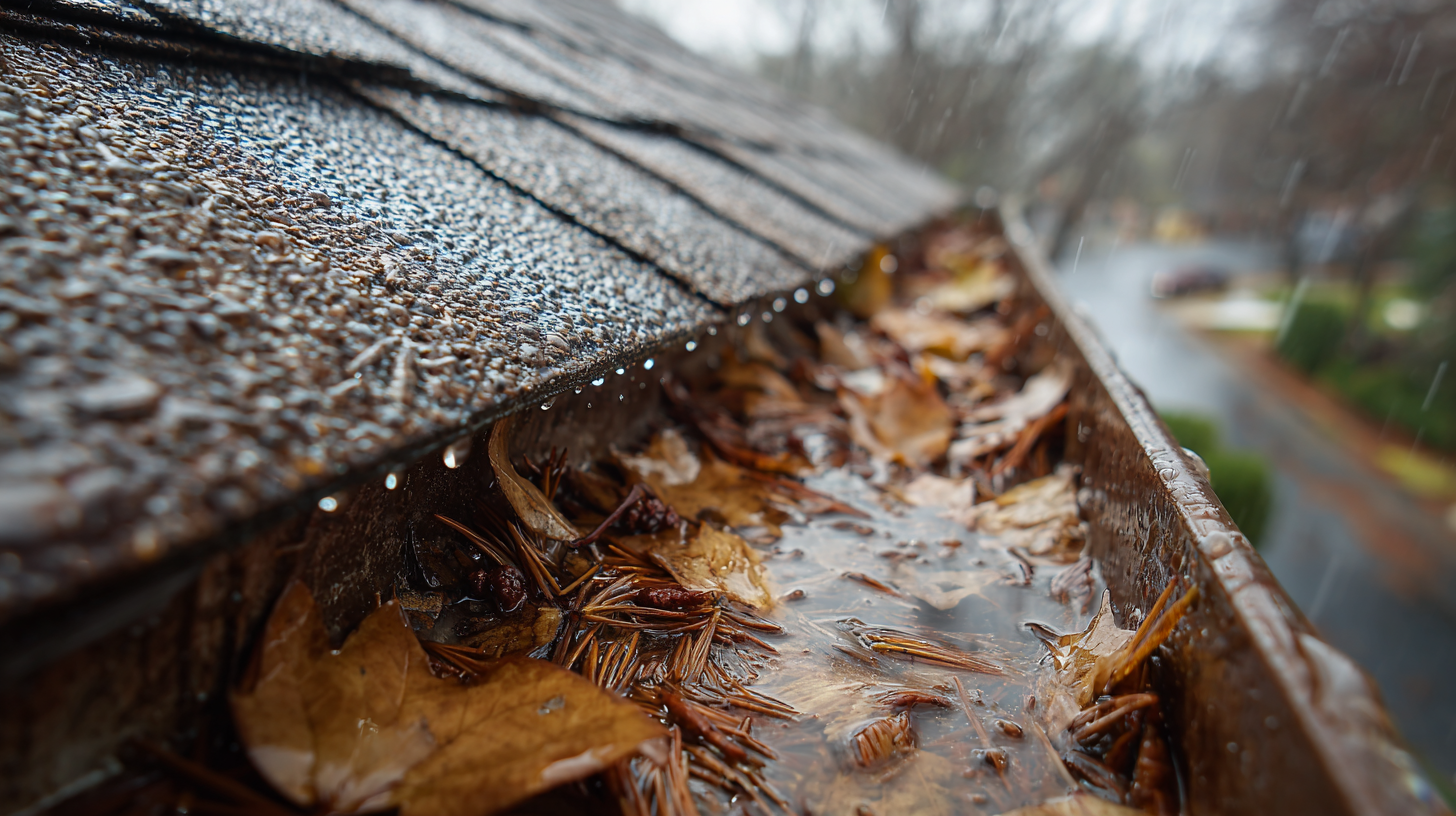
Clogs. This is the number one culprit. Leaves, pine needles, shingle granules, and small branches accumulate in the channels and pack down over time. Water backs up behind the blockage. The added weight pulls gutters away from the house. Clogged gutter damage is entirely preventable, but only if you stay on top of maintenance.
Storms and high winds. Severe weather can rip gutters right off the fascia, bend sections out of alignment, or slam tree limbs into the system. Gutter storm damage tends to be sudden and obvious. After any major weather event in New Jersey or Pennsylvania, a visual inspection is essential.
Snow and ice. Winter is brutal on gutters. When snow melts on a warm roof and refreezes at the colder eave, ice dams form. That ice is incredibly heavy. Gutter damage from snow and ice dams warps brackets, cracks seams, and can tear entire runs off the house. The water trapped behind the dam also backs up under shingles, causing interior leaks.
Hail. Not all hail damage is dramatic. Large hailstones dent aluminum gutters and crack vinyl ones, but even smaller stones leave marks that weaken the material over time. Gutter hail damage often goes unnoticed because homeowners focus on the roof and siding after a storm. But those dents disrupt water flow and create low spots where debris collects faster.
Age and wear. Gutters don’t last forever. Aluminum systems typically hold up for 15 to 20 years. Steel lasts longer but eventually corrodes. Sealant at joints dries out. Hangers loosen from repeated thermal expansion and contraction. If your gutters are approaching two decades, small problems will start appearing more frequently.
Improper installation. Gutters need a precise slope to function. Too flat and water sits in the channel. Too steep and it rushes past the downspout opening. Weak fasteners, insufficient hangers, and poorly placed downspouts create problems from day one. Bad installation is one of those signs of clogged gutters that people misdiagnose. The gutters aren’t actually clogged. They were just never set up to drain properly.
Gutter problems don’t plateau. They escalate. And the gutter damage impact on the rest of your home can be staggering.
Water that overflows near the foundation saturates the surrounding soil. Over months and years, that moisture causes the foundation to shift, crack, and settle unevenly. Foundation repairs in New Jersey and Pennsylvania run into the tens of thousands. All because a $200 gutter cleaning got skipped.
Above the gutters, backed-up water works its way under shingles and into the roof decking. Wood rots. Plywood softens. By the time you see a ceiling stain inside the house, the damage behind the walls has been building for a while. The fascia and soffit boards directly behind the gutters take the worst of it. They’re the first to rot, and replacing them means pulling the entire gutter system off and reinstalling it.
Basement flooding follows the same pattern. Saturated soil forces water through cracks, joints, and porous concrete. A damp basement breeds mold, which creates health risks for your family and drops your home’s resale value.
Even your landscaping suffers. Concentrated water runoff from overflowing gutters carves trenches in flower beds and washes away mulch. Standing water near the house attracts mosquitoes and creates entry points for rodents looking for moisture.
Every one of these problems with gutters traces back to the same starting point. Water is going where it shouldn’t because the gutter system failed.

Most gutter failures are preventable. The key is consistent, simple maintenance rather than expensive emergency repairs.
Clean your gutters twice a year. Once in late spring, after pollen and seed pods have fallen, and once in late autumn, after the leaves are down. These two cleanings alone prevent the majority of clogs and overflow issues. If your property has heavy tree coverage, add a midsummer cleaning to the schedule.
Trim branches that hang over the roof. This reduces the volume of leaves and debris that land in your gutters. It also limits the risk of storm damage from falling limbs. Keep branches at least three feet from the roofline.
Install gutter guards. Mesh or micro-mesh guards keep large debris out while allowing water through. They don’t eliminate maintenance entirely, but they dramatically reduce how often you need to climb a ladder. For two-story homes, the convenience and safety factor alone make them worth the investment.
Extend your downspouts. Water should discharge at least four to six feet from the foundation. If your downspouts dump right at the base of the house, add extensions or splash blocks. Underground drain lines connected to a dry well are an even better long-term solution.
Inspect after every major storm. Walk the perimeter. Look up at the gutters. Check for sagging, visible dents, or sections knocked out of alignment. Catching gutter storm damage early keeps a small fix from becoming a full replacement.
Know when to repair and when to replace. Minor issues like a loose hanger, a small crack, or a separated joint are easy fixes with sealant and a few screws. Gutter damage repair at this level costs very little and takes an afternoon. But if you’re seeing widespread sagging, multiple leaks, heavy rust, or sections pulling away from the fascia across the entire house, patching won’t cut it. A full gutter replacement gives you a fresh system with proper slope, secure brackets, and decades of reliable performance.
At American Quality Remodeling, we handle everything from quick gutter repairs to complete system installations across New Jersey and Pennsylvania. If you’re noticing any of the warning signs in this guide, don’t wait for the next storm to make it worse. Call us at (609) 595-4900 for a free estimate, and let’s get your gutters back in shape before they put the rest of your home at risk.



Embark On Your Build With Us!
we will be in touch with you soon
