American Quality Remodeling provides professional siding repair for homeowners in Burlington, NJ, and across Burlington County. We fix cracked panels, warped boards, moisture damage, storm impact, and fastener corrosion on exposed elevations across all major siding types - vinyl, fiber cement, engineered wood, aluminum, and wood. Our licensed crews carry full insurance, handle permits where required, and back every repair with a written workmanship warranty. With 25 years of experience and more than 3,000 completed projects, we know what Burlington exteriors take - and what proper house siding repair requires.
Repairs for vinyl, fiber cement, engineered wood, aluminum, and wood siding
Licensed, insured crews with a written workmanship warranty
Free on-site assessment and a clear repair-vs-replacement recommendation
Any Questions? Talk with an Expert
Signs Your Siding Needs Repair
Catching damage early keeps a small house exterior repair from turning into structural work. Watch for these warning signs:
Cracked, chipped, or loose panels
Warped or buckling boards that have pulled away from the wall
Water stains on interior walls below an exterior section
Soft spots, rot, or peeling paint
Faded, brittle panels that crack when flexed
Rising energy bills from lost weather sealing
A quick way to check for hidden water penetration before climbing a ladder: spray a suspect area with soapy water from the ground. If small bubbles form, water is getting through – a sign the section needs a closer look before moisture reaches the sheathing behind it.
Get in touch
to contact us
Siding Repair Services We Provide in Burlington, NJ
The climate here doesn’t pick a lane. Humid summers, hard winters, freeze-thaw cycles that can run from November into April, and nor’easters pushing rain sideways up the Delaware River corridor. The result is a predictable set of damage patterns we see on Burlington homes every season.
Cracked or Chipped Panels
Cracks form as panels contract in cold and expand in heat, season after season, and hail or windborne debris speeds it up. A crack that looks cosmetic usually isn’t – once the surface is breached, water gets behind the siding and into the sheathing below, where it doesn’t dry out. It spreads.
Warped or Buckled Siding
Warped siding has detached from the structure underneath, partially or fully. Vinyl is the most susceptible in this climate because it expands in summer heat and contracts in cold. The gaps break the weather seal, increase drafts, and open entry points for pests – a structural fix, not a cosmetic one.
Moisture Damage and Rot
Humid Burlington summers and frequent rain mean moisture finds every weakness in an aging weather barrier. Once water reaches the sheathing, rot follows – first the sheathing, then potentially the framing behind it. We check both during every inspection.
Storm and Hail Damage
Wind-driven storms tear panels loose, crack profiles, and punch holes that leave the structure exposed. After major storms, we routinely find panels that look intact from the street but have failed at the fastener points or moisture-barrier seams. Ground-level inspection misses this; hands-on assessment doesn’t.
Fastener Corrosion on Exposed Elevations
Homes on open lots and river-facing streets in Burlington take more wind-driven rain than sheltered blocks do. Repeated wetting at fastener points corrodes standard galvanized hardware and breaks down conventional caulk years before the panels themselves show failure. Those elevations need upgraded fasteners and higher-grade sealant, not just a different technique.
Fading and UV Degradation
UV exposure doesn’t just bleach color – over time, it makes vinyl and engineered wood brittle and less able to flex through temperature cycles. Severely UV-degraded siding fails earlier and in more places. Fading that’s actually structural degradation is worth catching early.
Siding Repair Cost in Burlington
Most siding repair projects in Burlington fall into three ranges: localized repairs covering one to three panels typically run $300-$800; sectional repairs from storm damage on a single wall or elevation run $1,000-$3,500; and multi-zone repairs across several elevations or involving structural work underneath start at $3,500 and up.
For individual panel replacement, cost depends heavily on material – as a general guide, replacing a few vinyl boards sits at the lower end, while fiber cement and wood run higher per panel. The factors below drive the final number:
Cost factor
Impact
Material type
Fiber cement costs more to repair than vinyl; wood is the highest
Damage area
More surface means more labor and material
Number of stories
Second-floor work requires a staging setup
Removal vs. patch
Full panel removal takes longer than a surface patch
Structural damage found
Sheathing or framing repair adds to the scope and cost
Season
Off-season scheduling can reduce lead time
Storm, wind, and hail damage may qualify for coverage under your homeowner’s insurance policy. We document the damage – photos, measurements, written assessment – and can meet your insurance adjuster on-site. Getting the claim documentation right from the start matters more than most homeowners realize.
If we remove a damaged section and find compromised sheathing or framing underneath, work stops. We document what we found, walk you through the revised scope, and wait for your approval before continuing – no line items on the final invoice that weren’t approved first. Financing is also available, including 0% options on qualifying projects.
Siding Repair by Material Type
Every siding material needs a distinct repair approach. The cutting tools, fastener specs, sealant chemistry, and panel alignment differ enough between materials that a crew experienced only in vinyl shouldn’t be repairing fiber cement, and vice versa. We work across all major types.
Vinyl Siding Repair
Vinyl cracks in cold and warps in heat, and Burlington gets both. Panel replacement means unlocking the course above without cracking adjacent panels – a technique that looks simple and isn’t. Color matching aged vinyl is the hardest part of vinyl siding repair NJ homeowners ask for; we source from original manufacturers where possible and tell you up front when an exact match is no longer available. See our vinyl siding options.
Fiber Cement Siding Repair (James Hardie)
Fiber cement is harder to cut, heavier to handle, and more demanding to fasten correctly. James Hardie’s ColorPlus finish requires specific touch-up protocols – painting over it with standard exterior paint voids the finish warranty. As a James Hardie Preferred Contractor, we follow Hardie’s repair standards, which keep the manufacturer’s warranty active after our work. Learn more about James Hardie fiber cement siding.
Engineered Wood Siding Repair
LP SmartSide and similar products perform well here when the sealant at panel ends and joints stays intact. Once that seal fails – from age, impact, or poor installation – moisture enters the panel edge and causes swelling that progresses faster than most homeowners expect. The repair addresses the moisture entry point, not just the visible damage.
Wood Siding Repair
Wood siding needs inspection beyond the visible damage. Rotted boards almost always point to a moisture pathway that has to be closed, or new boards will rot on the same timeline. We check the framing and sheathing under any section with soft spots or surface rot before installing new material. See our wood shake siding options.
Aluminum Siding Repair
Aluminum is durable but dents on impact and corrodes at cut edges and fastener points. Storm damage usually means dented panels; years of wind-driven rain on an exposed elevation mean fastener failure and edge corrosion. Repairs replace affected sections with matched profiles, using corrosion-resistant fasteners throughout.
Our Siding Repair Process
Every repair follows five defined stages. Our own crews handle the entire scope of work – we don’t subcontract siding repair to third parties.
Step 1 – Inspection and Documentation
We walk the full affected area, probe suspect sections, and use moisture meters to find water infiltration that isn’t visible on the surface. Infrared scanning is available where hidden moisture or energy loss is a concern. All damage is photographed and documented – useful for your records and essential if an insurance claim is involved.
Step 2 – Repair Plan and Estimate
You receive a written scope and cost estimate before any work starts. Material sourcing – profile match, color match, manufacturer specs – is confirmed at this stage. You approve the plan; nothing changes without your sign-off.
Step 3 – Preparation and Damage Containment
Damaged panels are removed carefully to avoid stressing adjacent sections. With the area open, we inspect the sheathing and framing underneath. If we find additional damage, we stop and document it before proceeding.
Step 4 – Repair Execution
New panels, trim, flashing, and moisture barriers are installed to manufacturer specifications. Fastener selection accounts for exposure – upgraded corrosion-resistant hardware on open and river-facing elevations, standard spec on sheltered walls. All seams and penetrations are sealed for the local temperature range.
Step 5 – Final Walkthrough and Warranty Handoff
We walk through the completed repair with you before the job is done. You receive before-and-after photos, permit documentation where applicable, and written warranty paperwork covering workmanship and installed materials.
Most localized repairs are complete in one day. Sectional repairs – a full wall elevation or multiple damage zones – typically run one to three days, depending on material and scope.
Climate-Specific Requirements for Siding Repair in Burlington
Freeze-thaw cycling is the primary mechanical stress on siding here. Temperatures that cross the freezing threshold repeatedly – rather than staying cold – do more cumulative damage to sealants, caulk joints, and fastener seats than sustained cold alone. Standard caulk rated for moderate climates loses elasticity faster in this cycling pattern than the label suggests.
Exposure varies street by street. A sheltered block in Burlington Township and an open river-facing lot a mile away produce different failure timelines on identical materials, which is why we set fastener and sealant specs by elevation rather than by address alone.
Most siding repair NJ homeowners schedule doesn’t require a municipal permit, particularly when the scope is limited to panel replacement without changes to the underlying structure. But if the work involves sheathing replacement, the roof line, or structural framing, permit requirements differ between Burlington City and Burlington Township. We handle permit applications when they apply.
Cold-weather scheduling matters. Most sealants and adhesives used in siding repair need temperatures above 40°F to cure correctly. We schedule installation windows around that threshold in late fall and early spring, and if conditions drop during a job, we pause rather than compromise material performance.
Siding Repair Warranty
Every repair from American Quality Remodeling is backed by two separate warranties: a workmanship warranty covering the quality of our installation, and the manufacturer’s product warranty on any new materials installed. Both are provided in writing at project completion.
Warranty type
What it covers
Workmanship warranty
Installation defects, leaks at repaired joints, fastener failure, improper sealing
Manufacturer warranty
Material defects, premature fading, delamination, and structural failure of the product
For exposed and river-facing properties in Burlington, our workmanship warranty includes specific coverage for fastener corrosion and sealant failure at panel joints. These failure modes don’t typically appear in standard workmanship warranties; we include them because wind-driven rain on an unsheltered wall produces them.
Two things void coverage: physical modifications to the repaired section after our crew leaves, and painting over factory-applied finishes – specifically James Hardie ColorPlus lines, which require the original baked-on finish to remain intact for the product warranty to stay active.
Areas We Serve
Burlington is our base, and most repair calls come from the immediate area: Burlington City, Burlington Township, Edgewater Park, Beverly, Delanco, Delran, Cinnaminson, Riverside, Willingboro, and Florence. Beyond that we cover the rest of Burlington County, plus Camden and Mercer counties, and siding repair PA property owners book runs across the bridge – siding repair Philadelphia jobs and siding repair Bucks County jobs are scheduled through the same office. Damage patterns differ sharply by location, so material specs are set by where your home sits and how exposed the wall is, not by a generic standard. Select your town below to see local siding service details.
If you have been searching for siding repair near me and don’t see your town listed, call (609) 595-4900 or submit your ZIP code through our contact form. We’ll confirm availability and schedule a free estimate.
Get a Free Siding Repair Estimate in Burlington, New Jersey
A free estimate from American Quality Remodeling includes an on-site visit, a full exterior assessment of the damaged areas, material sourcing options, and a written cost breakdown with a clear repair-vs-replacement recommendation. We provide the written estimate the same day or within 24 hours of the inspection. For siding repair South Jersey homeowners are comparing bids on, that written breakdown is what makes two quotes actually comparable.
Call (609) 595-4900, email info@americanqualityremodeling.com, or submit the contact form.
Our Latest
Creations
Discover the Innovation and Quality of Our Newest Releases
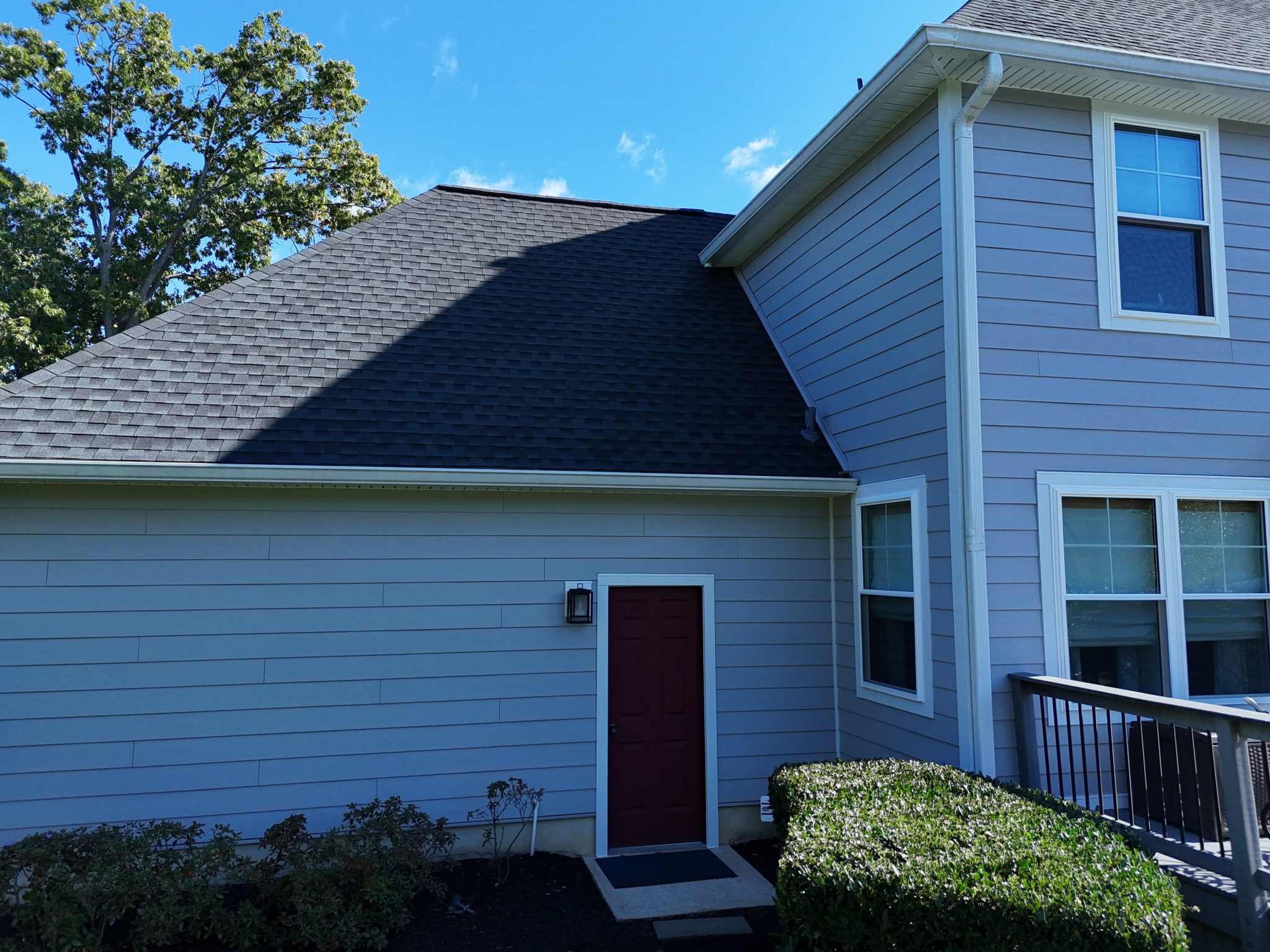
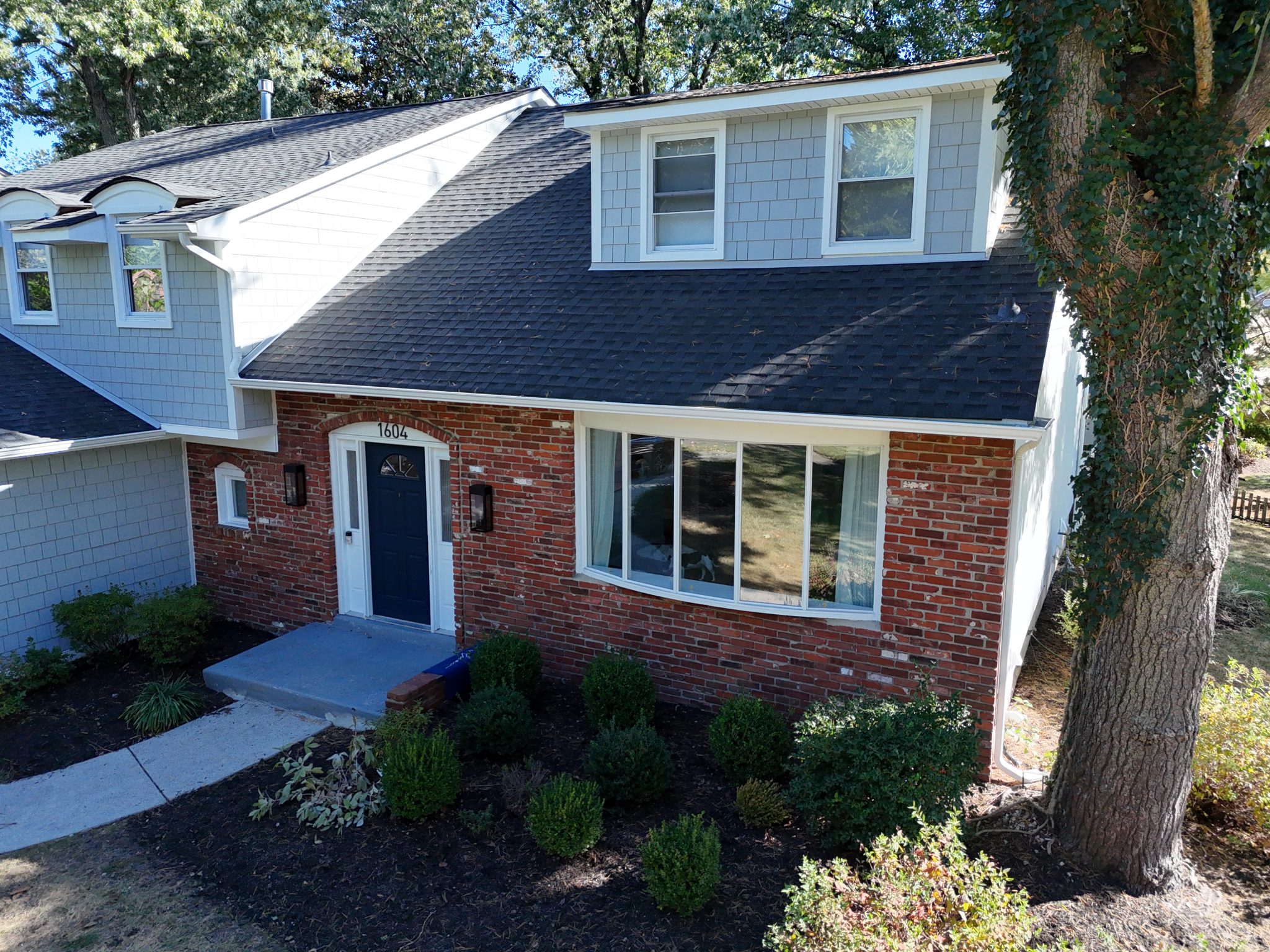
James Hardie Siding & Window Upgrade In Edgewater Park, NJ
Comprehensive exterior transformation combining premium James Hardie fiber cement siding with energy-efficient windows. Our integrated approach delivers a cohesive design that maximizes both aesthetic impact and functional performance, creating a home that's beautiful, comfortable, and built to last.
James Hardie Siding Installation In Cherry Hill Township, NJ
Complete exterior renewal featuring James Hardie fiber cement siding that delivers lasting beauty and superior protection. Our meticulous installation process ensures your home benefits from industry-leading durability, minimal maintenance requirements, and a fresh, modern appearance that enhances value and curb appeal.
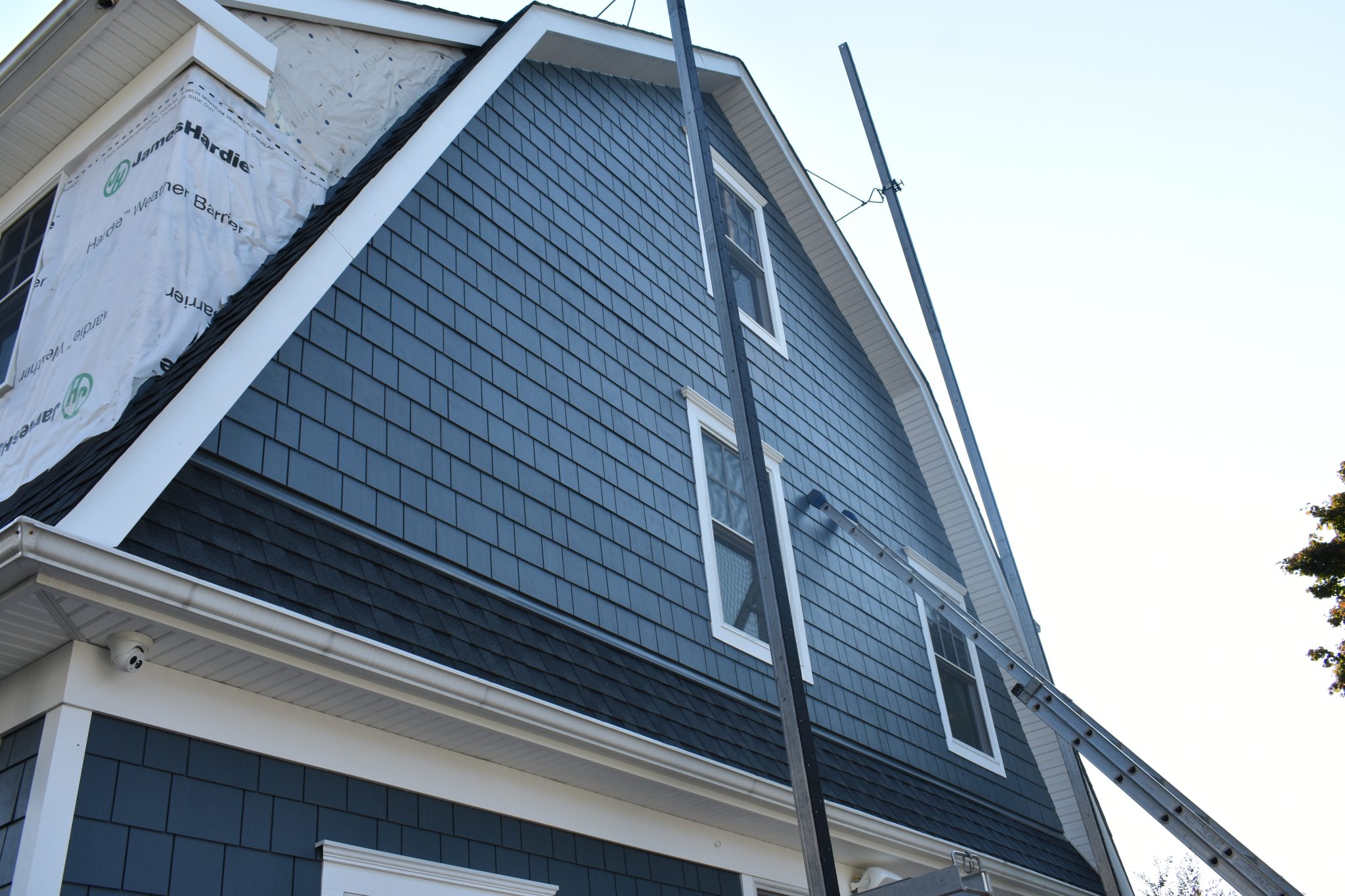
Classic coastal charm meets modern durability with premium James Hardie shake siding. Our expert installation delivers the timeless beauty of traditional wood shakes with the superior performance of fiber cement technology, providing maintenance-free protection that stands up to coastal weather conditions.
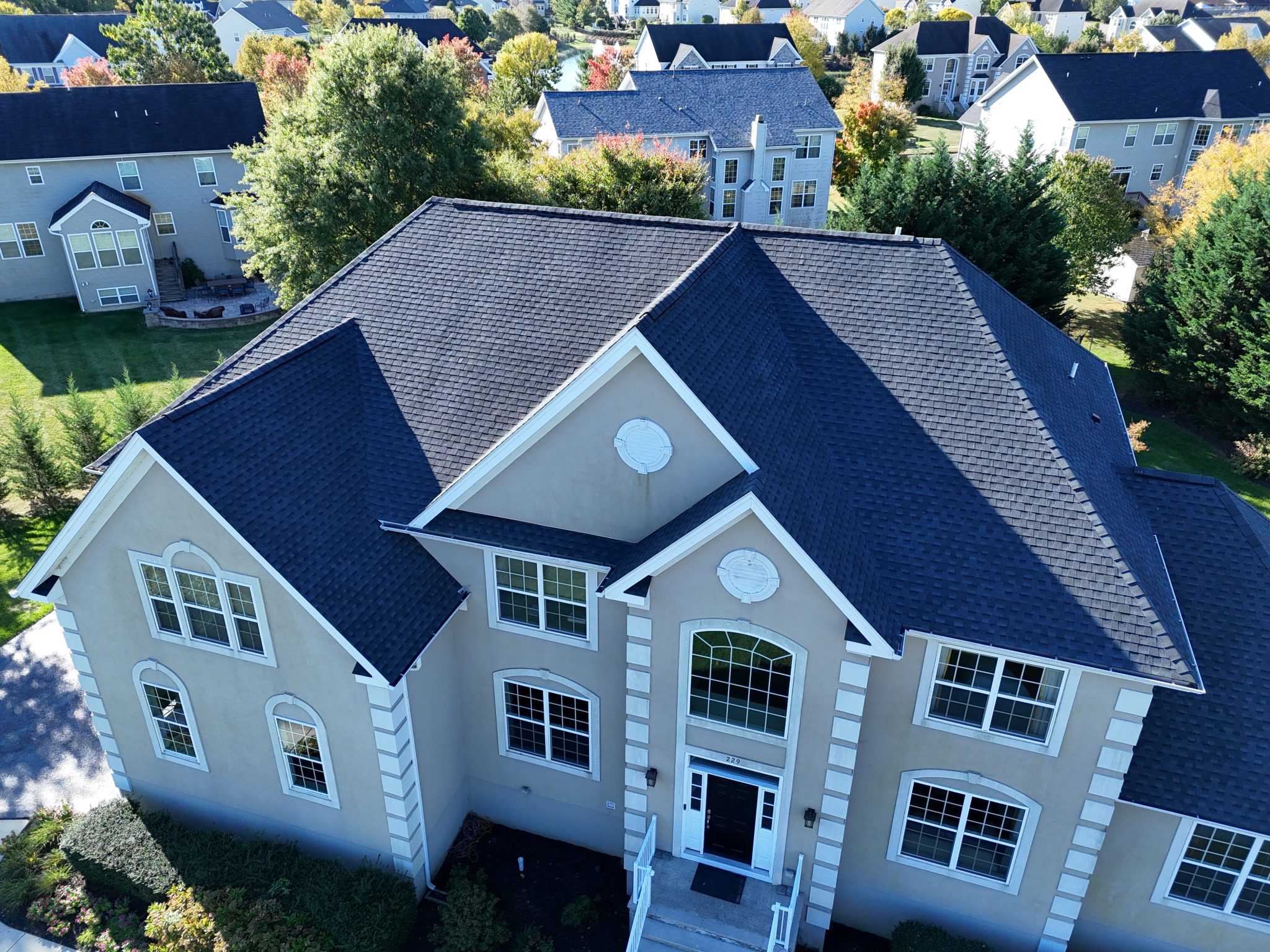
Superior roofing installation that combines aesthetic excellence with dependable performance. Our expert team delivers precision craftsmanship and premium materials, ensuring your home receives comprehensive protection while maintaining an elegant appearance that elevates your property's distinction.
Reliable roofing solutions that deliver lasting protection and peace of mind. Our skilled team installs quality roofing systems with meticulous attention to detail, ensuring your home stays safe and dry through every season while enhancing its overall appearance and value.
Complete Exterior Makeover In Lumberton Township, NJ
Full-scale exterior renovation featuring modern board and batten siding, energy-efficient windows, and stylish entry door installation. Our integrated approach ensures every element works harmoniously to create a striking contemporary aesthetic while maximizing protection, efficiency, and functionality for your home.
Localized repairs covering one to three panels typically run $300-$800. Sectional repairs from storm or hail damage on a single elevation run $1,000-$3,500. Multi-zone repairs or jobs with underlying structural damage start higher. Final cost depends on material type, how many stories the area spans, whether the sheathing is intact, and current material availability.
Repair is the right call when damage covers less than 20-30% of the total surface and the existing material is mid-life. Replacement makes more sense when damage spans multiple elevations, the material has reached or exceeded its lifespan, or the existing siding is genuinely incompatible with your exposure. We give you a direct recommendation after the inspection.
Storm, hail, and wind damage typically qualify as covered events under standard NJ policies; cosmetic deterioration and age-related wear don't. We document the damage with photos, measurements, and a written assessment, and can meet your adjuster on-site. Getting the initial documentation right determines whether the claim moves forward cleanly.
Work stops. We photograph and document whatever we find - rotted sheathing, compromised framing, failed moisture barrier - and walk you through the revised scope and cost before continuing. Nothing gets added to the invoice without your sign-off first.
Single-panel or small-section repairs are usually done in one day. A full wall elevation with storm damage runs one to two days. Multi-zone repairs or work involving structural repair can take two to three days. We give you a timeline at the estimate stage and update you if conditions change it.
Usually, yes. For current product lines - including James Hardie ColorPlus - we source matching materials directly from the manufacturer. For older vinyl profiles or discontinued colors, an exact match isn't always available. We'll tell you that before the work starts, not after.
Fiber cement - particularly James Hardie - performs best in salt-air conditions. It doesn't corrode, holds its finish longer than vinyl in salt exposure, and stays dimensionally stable through NJ's humidity swings. For vinyl on coastal homes, wind-rated, heavier-gauge profiles outperform standard residential vinyl. Aluminum works for specific applications with corrosion-resistant fasteners throughout.
Most localized panel replacements don't require a municipal permit. Repairs involving sheathing replacement, structural framing, or changes to the building envelope may vary by municipality. We handle permit applications when they are applied for.
Optimize Your Construction Project with Tailored Financing: Our Expert Guidance Minimizes Risk and Maximizes Funding Efficiency for Your Success. Build Your Dreams Today!