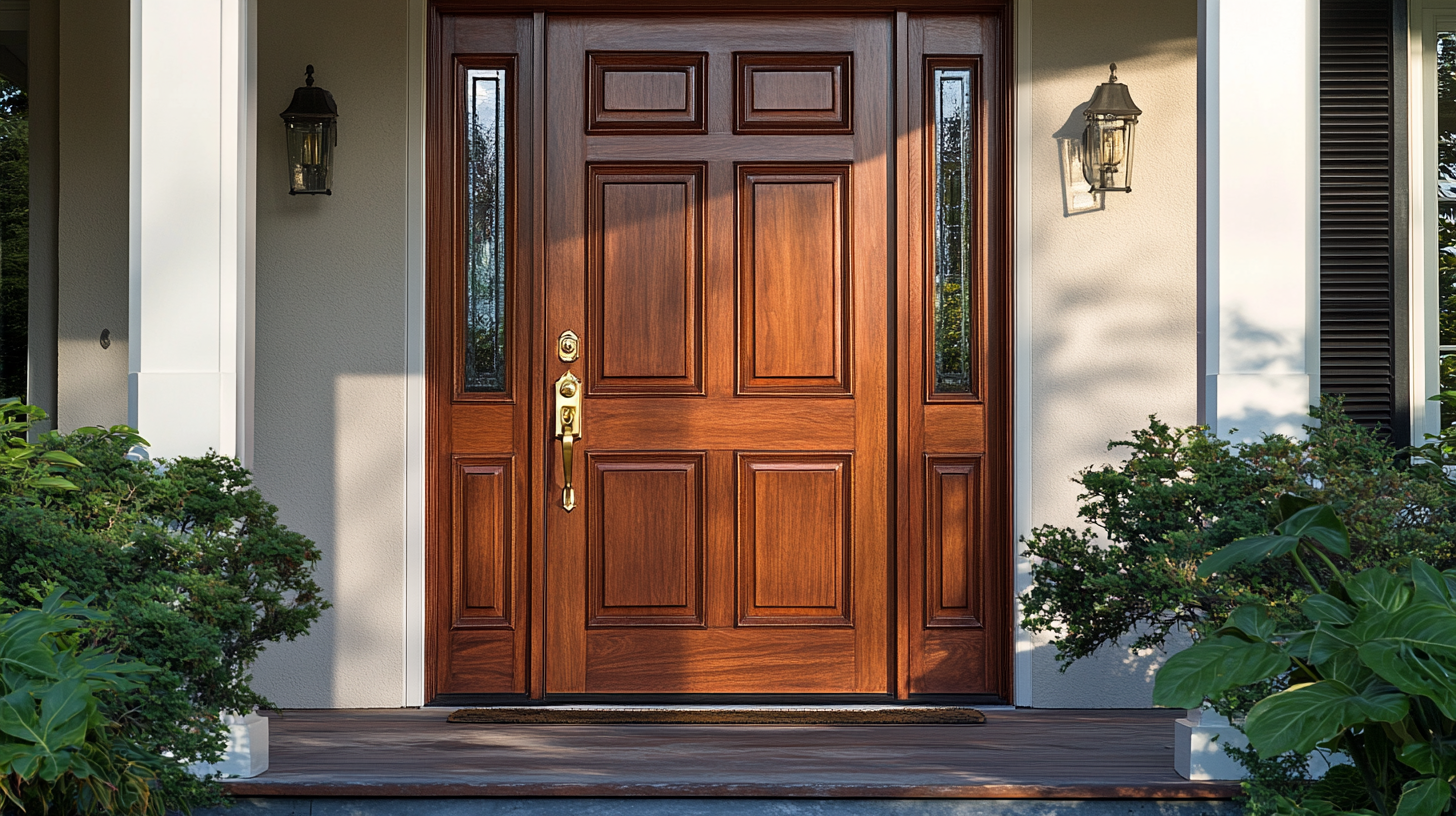
Metal doors take a beating. Sun, rain, dirt, fingerprints, pollen. Every season brings new challenges. Yet most homeowners ignore their doors until the grime becomes embarrassing.
Learning how to clean a metal door properly saves money and extends the life of your investment. A well-maintained entry door can last decades. A neglected one starts looking tired within years.
At American Quality Remodeling, we’ve installed thousands of metal doors across New Jersey, Pennsylvania, and Delaware since 2000. We’ve seen doors ruined by harsh chemicals. We’ve replaced beautiful entries destroyed by improper care. And we’ve watched smart homeowners keep their doors looking factory-fresh for twenty years with simple maintenance routines.
This guide covers everything you need. We’ll walk through cleaning techniques for front doors, painted surfaces, screen doors, and garage doors. Each type requires slightly different approaches. Get it right, and your door rewards you with lasting beauty and protection.

Gathering the right tools before you start makes the job faster and safer. Here’s what works best.
Soft sponges or microfiber cloths work perfectly for most jobs. Never use steel wool or abrasive scrub pads. They scratch protective coatings and create entry points for rust. A soft-bristle brush helps remove debris from textured surfaces and decorative details.
Cleaning solutions
Dish soap mixed with warm water handles 90% of cleaning situations. One tablespoon per gallon creates the ideal concentration. For stubborn grime, white vinegar diluted 50/50 with water cuts through grease without damaging finishes.
Knowing how to clean a steel door means knowing what to avoid. Skip ammonia-based cleaners. Avoid bleach. Stay away from anything containing acetone or harsh solvents. These products strip protective coatings and dull painted surfaces faster than you’d believe.
Protective products
Automotive wax or specialized metal polish creates a barrier against future dirt. Silicone spray keeps hinges and weatherstripping supple. Keep these on hand for the finishing steps.

Your front door deserves attention every season. This process takes fifteen minutes and delivers professional results.
Step 1 – Remove Loose Dirt and Debris
Start dry. Always. Wet cleaning over loose dirt creates mud that scratches surfaces during scrubbing.
Use a soft brush to sweep away cobwebs, dust, and loose particles. Pay attention to corners where debris accumulates. Check the top edge of the door where leaves and pollen collect. A vacuum with a brush attachment works great for textured doors with deep panel grooves.
This step seems basic but skipping it causes most cleaning damage we see on service calls.
Step 2 – Prepare Your Cleaning Solution
Mix one tablespoon of mild dish soap into a gallon of warm water. Warm water dissolves grime better than cold water. Hot water can damage certain finishes, so stay in the comfortable middle range.
Understanding how to clean a metal front door starts with respecting the finish. Test your solution on an inconspicuous area first. The bottom edge or hinge side works well for testing. Wait five minutes. Check for any discoloration or dulling before proceeding.
For doors with heavy oxidation or stubborn stains, add two tablespoons of white vinegar to your mixture. This slightly acidic solution breaks down mineral deposits from sprinklers and hard water without harming metal substrates.
Step 3 – Wash the Door Surface
Dip your sponge or microfiber cloth into the solution. Wring out excess water. You want damp, not dripping.
Work from top to bottom. Gravity pulls dirty water downward, so this sequence prevents streaking over areas you’ve already cleaned. Use gentle circular motions rather than aggressive back-and-forth scrubbing.
Decorative elements need extra attention. Raised panels, glass inserts, and ornamental metalwork trap dirt in crevices. A soft toothbrush reaches these tight spots without scratching. Take your time here. Rushing creates visible dirt lines that frustrate homeowners.
Step 4 – Rinse and Dry Thoroughly
Rinse with clean water using a separate sponge or a gentle hose spray. Remove all soap residue. Leftover detergent attracts dust and leaves hazy films that dull your door’s appearance.
Drying matters more than most people realize. Water spots form when droplets evaporate and leave mineral deposits behind. These spots become increasingly difficult to remove over time.
Use a clean, dry microfiber cloth to wipe the entire surface. Work quickly on sunny days when water evaporates fast. Chamois cloths work exceptionally well for streak-free results.
Step 5 – Apply Protective Finish
Protection separates amateur cleaning from professional results. Knowing how to clean exterior steel doors completely means adding this final barrier.
Apply a thin coat of automotive paste wax using a soft cloth. Work in small sections. Let the wax haze slightly, then buff to a shine with a clean microfiber towel. This layer repels water, resists fingerprints, and makes future cleaning dramatically easier.
For doors with factory powder coating, a specialized metal polish designed for coated surfaces provides optimal protection without buildup. American Quality Remodeling recommends reapplying protection every three to four months for doors facing direct sun exposure.

Painted doors require gentler handling. The finish that gives your door its beautiful color also makes it vulnerable to scratching and chemical damage.
Knowing how to clean a painted metal front door protects your investment. Use only soft microfiber cloths. Sponges with scrubby sides belong nowhere near painted surfaces. Even mild abrasion dulls paint over time.
Stick with the basic soap and water solution. Avoid vinegar on painted doors because the acidity can slowly degrade certain paint types. Murphy’s Oil Soap, diluted according to package directions, works wonderfully as an alternative. It cleans effectively while conditioning the painted surface.
Never use magic erasers. They feel soft but act like ultra-fine sandpaper. One cleaning session can leave visible dull patches on glossy finishes.
How to clean black metal doors deserves special mention. Dark colors show water spots, fingerprints, and swirl marks more than lighter shades. Work in smaller sections. Dry immediately after rinsing. Buff gently with a clean cloth in one direction rather than in circles. This technique minimizes visible marks on those stunning dark finishes.
For painted doors showing oxidation or chalking, a specialized automotive paint cleaner restores depth before applying protective wax. This extra step brings faded doors back to life without repainting.
Screen doors collect everything the wind carries. Dust, pollen, pet hair, dead insects. The mess builds up invisibly until airflow suffers and your entryway looks neglected.
Understanding how to clean a metal screen door starts with recognizing that the mesh is fragile. Aluminum screening dents and tears easily. Fiberglass mesh stretches when pushed too hard. Gentle technique matters more here than anywhere else.
Remove the screen door if possible. Lay it flat on a drop cloth or clean grass. This position lets you clean both sides without fighting gravity and prevents water from pooling in the frame.
Vacuum the mesh first using an upholstery attachment. Keep suction on low to avoid pulling the screen material. This removes loose debris that would otherwise turn to mud during washing.
Mix your mild soap solution and apply with a soft brush. An old makeup brush or dedicated detailing brush works perfectly. Brush in straight lines following the mesh pattern. Circular motions stress the screen material unevenly.
Rinse with a gentle spray. High pressure damages screens faster than anything. Let water flow over the surface rather than blasting it. Shake off excess water and lean the door against a wall to air dry completely before reinstalling.
Clean the frame separately using the same techniques as solid doors. Lubricate hinges and the door closer mechanism with silicone spray. This complete approach keeps screen doors operating smoothly for years.
Garage doors present unique challenges. Massive surface area. Multiple panels. Mechanical components. Exposure to automotive chemicals and road grime.
Learning how to clean a metal garage door properly means working systematically. Divide the door into sections. Clean one panel completely before moving to the next. This approach prevents missed spots and ensures consistent results across the entire surface.
Start with a thorough rinse using a garden hose. Remove loose dirt, bird droppings, and surface contamination. Let water do the initial heavy lifting before introducing any cleaning products.
Oil stains from vehicles require targeted treatment. Apply a degreaser specifically designed for automotive use. Let it dwell for five minutes. Scrub with a soft brush. These petroleum-based stains won’t respond to regular soap and water, no matter how hard you try.
How to clean a metal door before painting follows similar principles but demands extra thoroughness. Any remaining grease, wax, or silicone prevents paint adhesion. TSP substitute cleaners remove these invisible contaminants that regular washing misses. Rinse multiple times. Let the surface dry completely. Proper preparation determines whether your paint job lasts two years or twenty.
For routine maintenance, wash garage doors every three months. Quarterly cleaning prevents buildup that becomes increasingly difficult to remove. Homeowners who wait until problems become visible always work harder than those who maintain regular schedules.
Don’t forget the mechanical components. Wipe down tracks with a dry cloth to remove debris. Avoid lubricating tracks because grease attracts dirt that causes premature wear. Apply garage door lubricant to hinges, rollers, and springs according to manufacturer recommendations.
American Quality Remodeling serves homeowners throughout New Jersey, Pennsylvania, and Delaware with professional door installation and maintenance guidance. Whether you need a new entry door, a replacement door, or expert advice on caring for your existing doors, our team brings over two decades of experience to every project. Contact us for a free consultation and discover why thousands of tri-state families trust us with their homes.