
6 min read
Jun 23, 2026

Most homeowners don’t think about their roof until something goes wrong. A leak. A missing shingle after a storm. Or that surprising moment when the insurance renewal arrives and the premium jumped by 20%. That’s when people start asking questions.
Here’s what we’ve learned after 20+ years of roofing work across New Jersey, Pennsylvania, and Delaware: your roof might be the single biggest factor in what you pay for home insurance. Not your neighborhood. Not your home’s square footage. Your roof.
At American Quality Remodeling, we see this play out constantly. A client replaces their aging roof with the right materials, and their insurance premium drops significantly. Sometimes by hundreds of dollars a year. We’ve also seen homeowners struggle to get coverage at all because their roof was too old or built with problematic materials.
This article covers everything you need to know about roof types for insurance decisions. Which materials help? Which shapes matter? And what actually moves the needle on your premium?
Insurance companies view your roof as your home’s first line of defense. When it fails, everything underneath suffers. Water damage. Mold. Structural problems. Destroyed belongings. Those claims cost insurers serious money.
That’s why they evaluate roofs so carefully before writing policies.
Four main factors determine how your roof affects your home insurance rates. First is material. Some materials resist damage far better than others. Second is shape. Certain roof designs handle wind and weather more effectively. Third is age. Older roofs fail more often, period. Fourth is the current condition. Visible wear signals future problems.
These factors combine to affect your premium in three ways. Good marks can earn you discounts ranging from 5% to 35%, depending on your insurer. Poor marks mean higher rates. And serious issues might lead to coverage denial or non-renewal altogether.
Regional factors matter too. Here in the tri-state area, we deal with heavy snow, hurricane remnants, summer hailstorms, and coastal wind exposure. Insurance companies operating locally know these risks and adjust their insurance roof types requirements accordingly.

Material choice affects insurance more than most people realize. Insurers evaluate roofing through standardized rating systems that measure real-world performance.
Hail damage costs insurance companies billions every year. That’s why impact resistance ratings matter so much in their calculations.
The system runs from Class 1 through Class 4. Testing involves dropping steel balls onto roofing samples to see what survives. Class 1 materials barely pass with smaller impacts. Class 4 materials withstand 2-inch steel balls without cracking. That’s a huge difference when a serious hailstorm rolls through.
Many insurers offer premium discounts for Class 4-rated roofs. We’ve seen clients save 10% to 25% just by choosing impact-resistant materials. Standard 3-tab asphalt shingles typically rate Class 1 or 2. Rubber-modified shingles designed for impact resistance achieve Class 4. Metal roofing usually qualifies for top ratings as well.
Fire ratings evaluate how roofing materials respond to flames and burning debris landing on the surface.
Class A offers the best protection. These materials resist severe fire exposure without slipping, breaking apart, or generating burning embers that spread flames. Class B handles moderate exposure. Class C provides minimal protection.
For insurance purposes, Class A is what you want when evaluating roof material types for insurance benefits. Most insurers either require it or offer meaningful discounts. Metal roofing achieves Class A automatically. Asphalt shingles with fiberglass mats qualify. Natural slate and clay tiles qualify. Wood shakes? Typically, Class C at best, even with fire-retardant treatments.
Let’s get specific about what different materials mean for your insurance situation.
Asphalt Shingles remain America’s most common roofing choice. Standard architectural shingles won’t hurt your premium, but they won’t dramatically help either. The real opportunity comes with impact-resistant varieties. Upgrade to Class 4-rated shingles, and you become eligible for hail discounts that often pay back the extra cost within a few years. That’s what we typically recommend to clients looking for the best roof for insurance savings without breaking the budget.
Metal Roofing consistently impresses insurers. High impact resistance. Class A fire rating. Excellent wind performance. Some companies offer discounts up to 30% for metal roofs. The longevity factor helps. A roof lasting 50+ years means fewer age-related premium increases over time.
Slate and Tile earn excellent ratings for fire resistance and durability. Insurance companies respect these materials. However, there’s a catch worth knowing. Replacement costs run high. A slate roof costing $40,000 to replace factors into insurer calculations differently than a $12,000 asphalt roof. Still, the overall insurance picture remains favorable for quality slate and tile installations on appropriate homes.
Wood Shakes create problems. Class C fire rating at best. Moderate impact resistance. Many insurance companies in our region either refuse coverage for wood roofs, charge significant premiums, or exclude wind and hail damage entirely. We love the aesthetic as much as anyone. But if you’re considering wood, understand the insurance trade-offs before committing.

Yes. More than most people expect.
Roof geometry directly affects wind resistance. And wind damage drives enormous insurance losses nationwide. The shape of your roof tells insurers how likely it is to survive serious storms without catastrophic failure.
When discussing roof shapes for insurance advantages, hip roofs come out on top. This design features slopes on all four sides meeting at a ridge. No flat ends. No vertical walls catching wind like sails.
Aerodynamically, hip roofs excel. Wind flows over them smoothly rather than catching edges and lifting. During hurricanes and nor’easters, hip roofs statistically suffer far less damage than other designs. Insurance companies know this from decades of claims data.
Many insurers offer specific wind mitigation credits for hip roof construction. In coastal areas of New Jersey, these credits can be substantial. If you’re building new or considering a major renovation, the hip roof design deserves serious thought.
Gable roofs are everywhere. That classic triangular end wall defines American residential architecture. They’re economical to build and provide excellent attic ventilation.
The insurance challenge? Those triangular end walls catch the wind. High gusts push against them hard. Without proper bracing, gable ends can fail inward during severe storms, compromising the entire roof structure. We’ve repaired this exact damage many times after major weather events.
You can minimize the risk through reinforcement. Hurricane straps connecting rafters to walls. Bracing for gable end overhangs. Proper sheathing attachment. These modifications may qualify you for insurance credits even with a gable design.
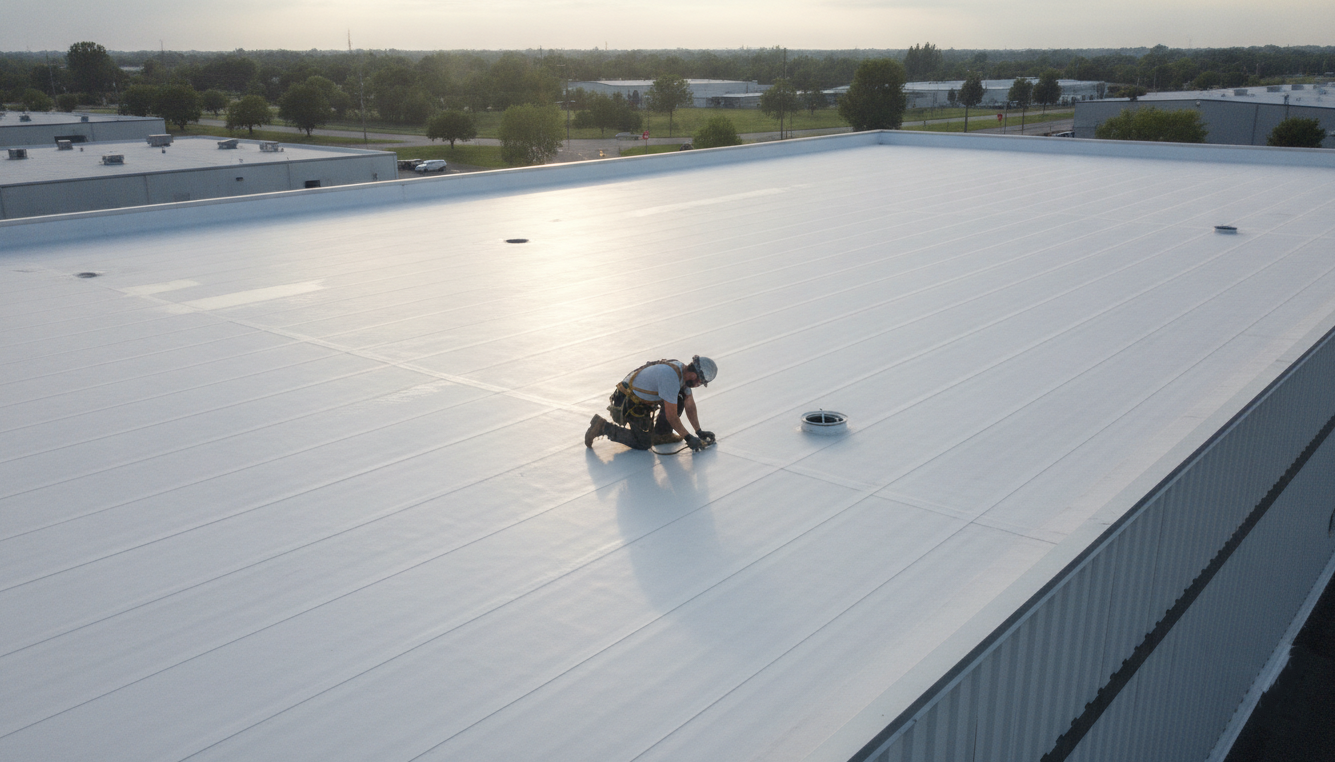
Flat roofs appear mostly on commercial buildings, but some residential properties have them. Insurers approach flat roofs cautiously for good reasons.
Water pooling is the main concern. Unlike sloped roofs that shed water naturally, flat roofs rely entirely on drainage systems. Clogged drains mean standing water. Standing water means leaks, membrane damage, and expensive claims. Snow accumulation creates similar stress in our region.
Mansard roofs with their distinctive double slopes. Gambrel roofs are common on barn-style homes. Complex architectural designs with multiple intersecting planes. Each creates unique considerations when evaluating types of roofs for insurance purposes.
Generally, more complexity means more potential failure points. Valleys collect debris and ice. Multiple angles create more edges for the wind to catch. Elaborate designs may face higher premiums simply because more can go wrong.

Even the best materials lose insurance value as they age. This catches many homeowners off guard.
Insurers establish age thresholds that trigger policy changes. A roof under 10 years old typically gets full coverage at the best rates. Between 10 and 15 years, some companies start asking questions. Beyond 15 or 20 years, problems multiply. Some carriers won’t write new policies. Others switch from replacement cost coverage to actual cash value, meaning depreciation slashes your potential payout.
We help clients navigate these transitions regularly. Sometimes, a professional inspection revealing good condition extends favorable treatment. Sometimes targeted repairs address specific concerns. And sometimes replacement becomes the only path to adequate coverage.
Our tri-state area presents specific challenges that national guidelines don’t capture.
Snow loads matter here. A roof adequate for Virginia might struggle under a heavy Pennsylvania winter. Insurers operating locally evaluate structural capacity with our climate in mind.
Coastal wind exposure affects properties near the Jersey Shore differently from inland homes. Wind mitigation features carry more weight in designated coastal zones. Hurricane deductibles apply in certain areas, making roof wind resistance financially critical.
At American Quality Remodeling, we factor insurance implications into every recommendation. We also work directly with adjusters on storm damage claims across New Jersey, Pennsylvania, and Delaware. Need guidance on your specific situation? Give us a call for a free evaluation. We’ll explain exactly how different roofing options might affect your coverage and what makes sense for your home.


Embark On Your Build With Us!
we will be in touch with you soon
