
6 min read
Jun 23, 2026
Learn what French doors are, their types, standard sizes, and how to choose the right style for your home. Expert insights from 20+ years of installation experience.

French doors have graced elegant homes for centuries. These stunning architectural features bring light, beauty, and a sense of openness to any space. Whether you’re renovating a colonial-era property or building a modern home, French doors create an instant connection between indoor and outdoor living.
At American Quality Remodeling, we’ve installed thousands of doors across New Jersey, Pennsylvania, and Delaware. Our team understands that choosing the right door transforms how you experience your home. French doors remain one of our most requested installations because they deliver timeless appeal with practical benefits.
This guide covers everything you need to know about French doors. We’ll explore their definition, trace their rich history, and break down the various types available today. You’ll also learn about standard french door sizes and how to select the perfect configuration for your project. By the end, you’ll have the knowledge to make a confident decision.
Before exploring modern options, let’s establish exactly what defines a French door. Understanding the origins helps you appreciate why this design has endured for over four hundred years.
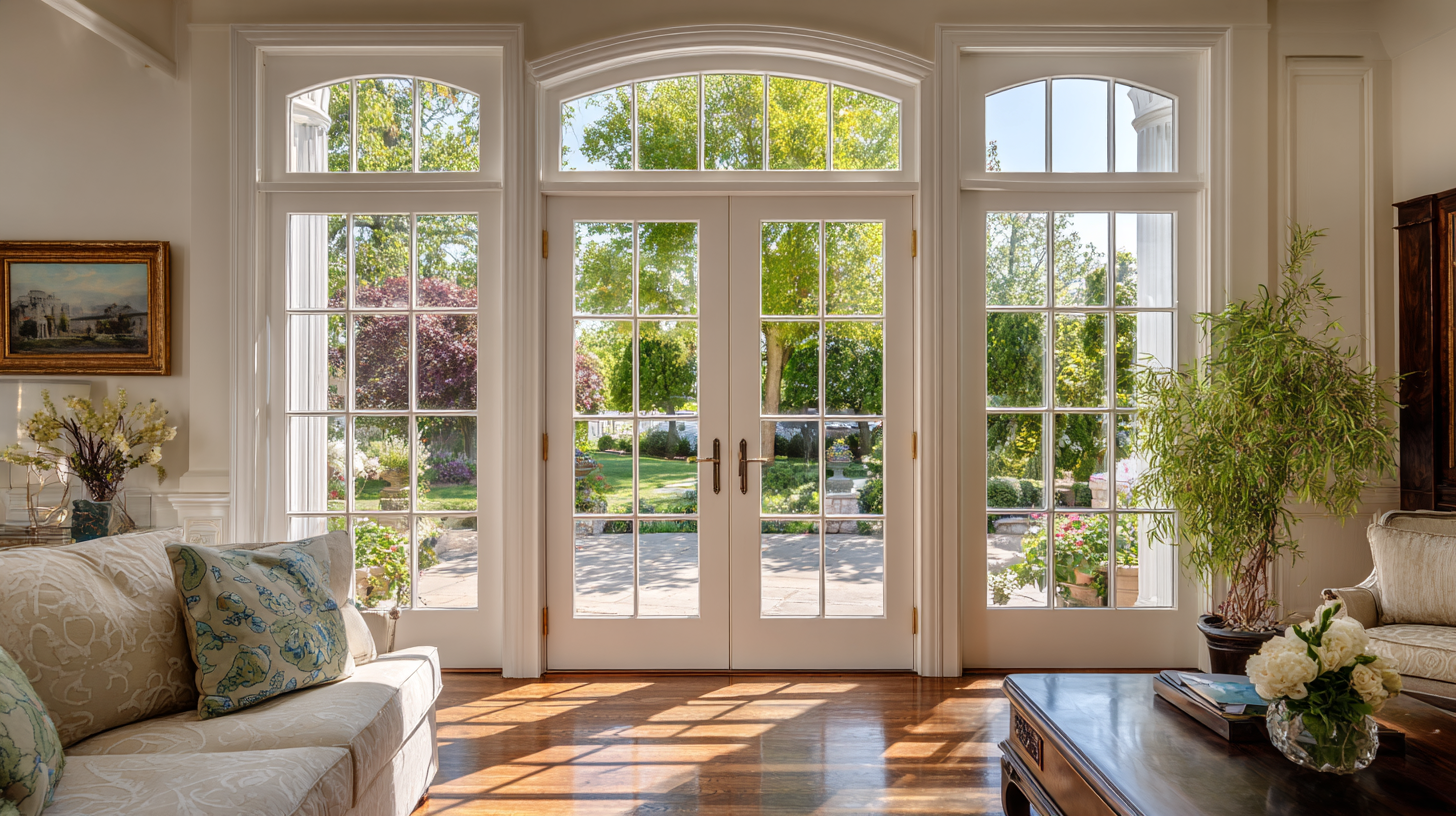
So what is a french door exactly? The french door definition is straightforward. These doors feature glass panels that extend most of their length. They typically come in pairs that open from the center. The glass allows natural light to flood through while maintaining a physical barrier.
The design incorporates multiple glass panes separated by wooden or metal muntins. Some modern versions use single large glass panels for a cleaner look. Either way, the emphasis on transparency sets them apart from solid doors.
What are french doors used for? They work beautifully as transitions between rooms. They also serve as exterior doors connecting living spaces to patios, gardens, and balconies. The french door meaning in architecture represents elegance, light, and graceful movement between spaces.
Traditional french doors originated in 17th century France during the Renaissance period. French architects sought to maximize natural light in grand homes and palaces. Large windows were expensive and structurally challenging. Doors with extensive glazing offered a practical solution.
The design spread throughout Europe and eventually reached American shores. Colonial and Victorian homes embraced these elegant doors enthusiastically. Wealthy homeowners installed them to showcase prosperity and refined taste.
Today, traditional french doors honor this heritage while incorporating modern materials and manufacturing techniques. The core aesthetic remains unchanged. Glass, symmetry, and graceful proportions continue to define the style. New Jersey homes from every era feature these classic doors, proving their enduring appeal.
Modern manufacturers offer French doors in several distinct configurations. Each type serves different needs and spaces. Let’s examine your options so you can identify the best match for your home.
Classic hinged French doors swing open on side-mounted hinges. You’ll find two main configurations. Inswing doors open into your home. Outswing versions push outward. Each option has distinct advantages depending on your space and climate.
Inswing doors work well when exterior space is limited. They also provide better weather sealing in harsh New Jersey winters. Outswing models maximize interior floor space and offer enhanced security since hinges face outward.
How do french doors work in daily use? Simply turn the handle and push or pull. Most installations include one active door for regular traffic. The second door remains stationary but can open fully for moving furniture or hosting gatherings.
These doors excel at connecting dining rooms to patios. They create dramatic entryways between living rooms and sunrooms. Interior applications include separating home offices from common areas while maintaining visual openness.
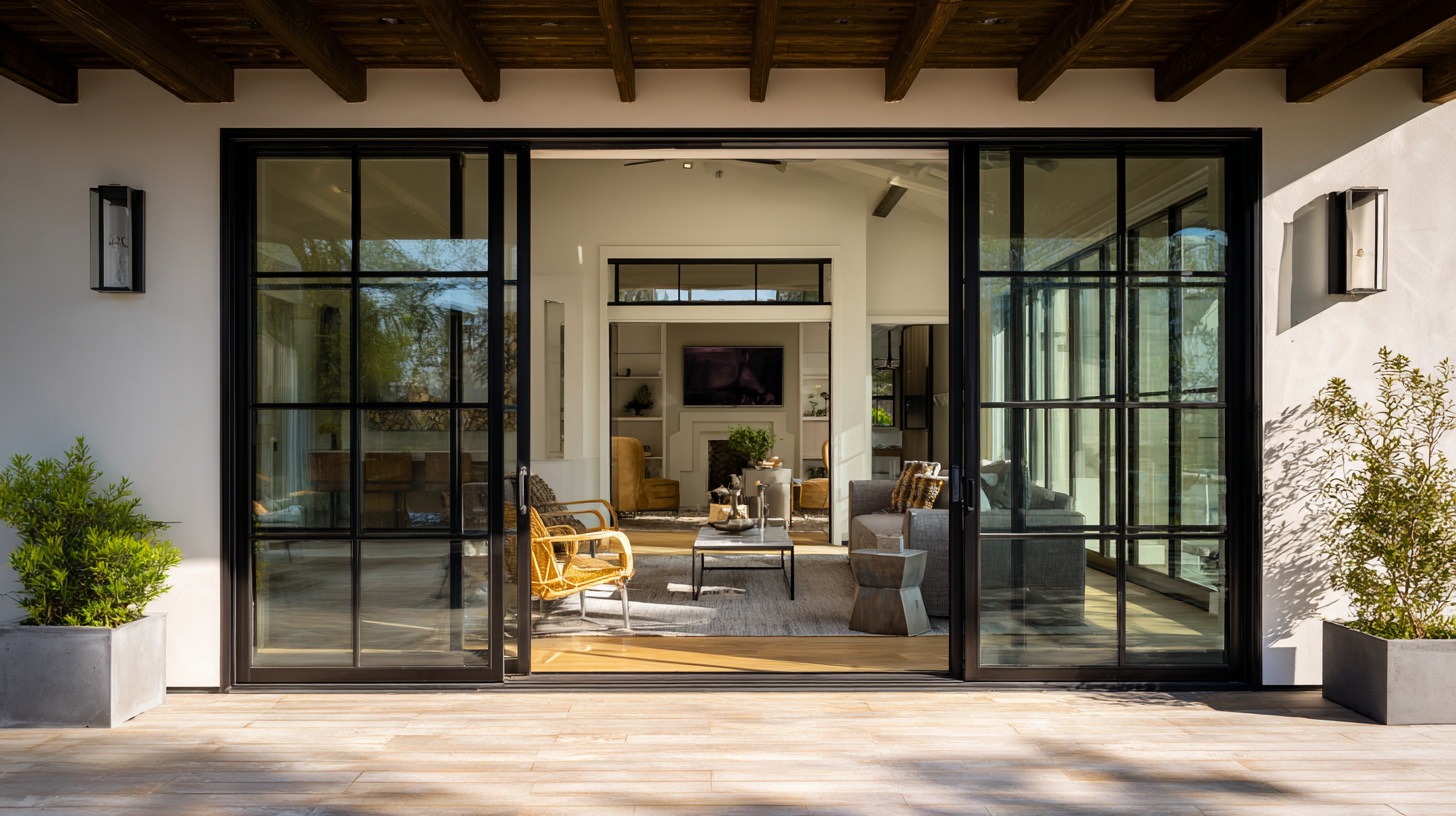
What is a sliding french door? This innovative design combines French door aesthetics with space-saving functionality. Instead of swinging open, panels glide along a horizontal track. You get the beautiful glass panels and elegant styling without requiring swing clearance.
The mechanism operates smoothly with quality hardware. One or more panels slide behind stationary sections. Premium systems feature effortless operation even with large, heavy doors.
Sliding versions solve a common challenge. Many homeowners love French door style but lack room for swinging panels. Furniture placement near doorways becomes problematic with traditional hinged doors. Sliding configurations eliminate this concern entirely.
Choose sliding when your floor plan restricts swing space. They’re also excellent for contemporary homes where clean lines matter. The track system integrates seamlessly into modern architecture.
What is a french sliding patio door? These specialized doors combine sliding operation with patio-specific features. Larger glass panels maximize outdoor views. Enhanced weatherstripping protects against the elements. Reinforced frames handle the demands of exterior installation.
Standard patio door sizes accommodate typical residential openings. Most range from 60 to 72 inches wide. Height options include 80 and 96 inches to suit different ceiling heights.
Energy efficiency matters tremendously for exterior doors. Quality french sliding patio doors feature Low-E glass coatings, argon gas fills, and thermal breaks. These technologies reduce heating and cooling costs significantly. Given New Jersey’s temperature extremes, proper insulation isn’t optional.
Multi-point locking systems provide security without compromising appearance. Homeowners enjoy peace of mind knowing their beautiful doors also protect their families.
What is a single french door? It’s exactly what the name suggests. One door panel instead of two. The same glass-heavy design and elegant proportions apply. Only the configuration changes.
Single versions shine in specific situations. Narrow doorways can’t accommodate double doors. Side entries and secondary access points often work better with one panel. Closet and pantry doors gain sophistication with this treatment.
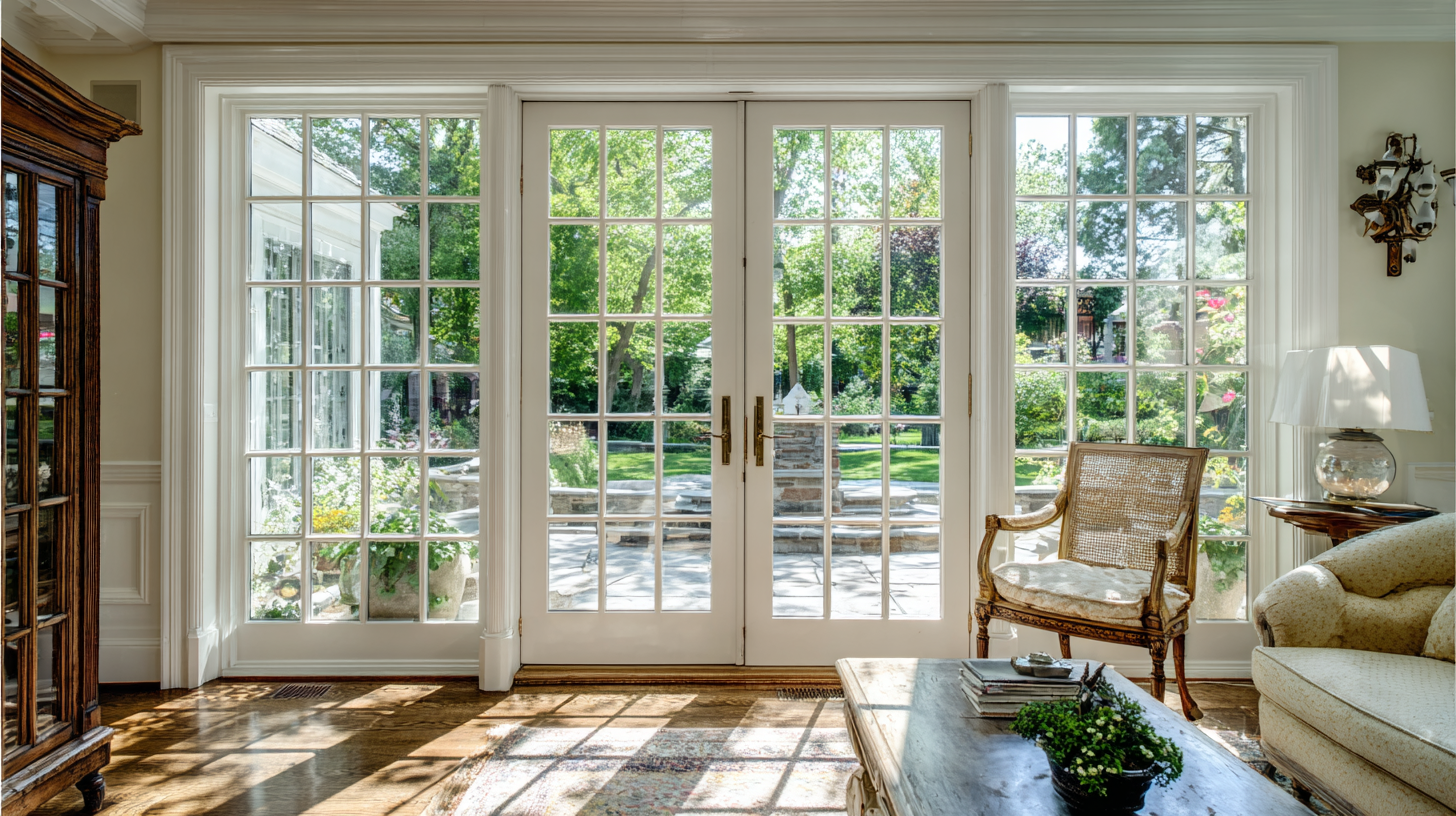
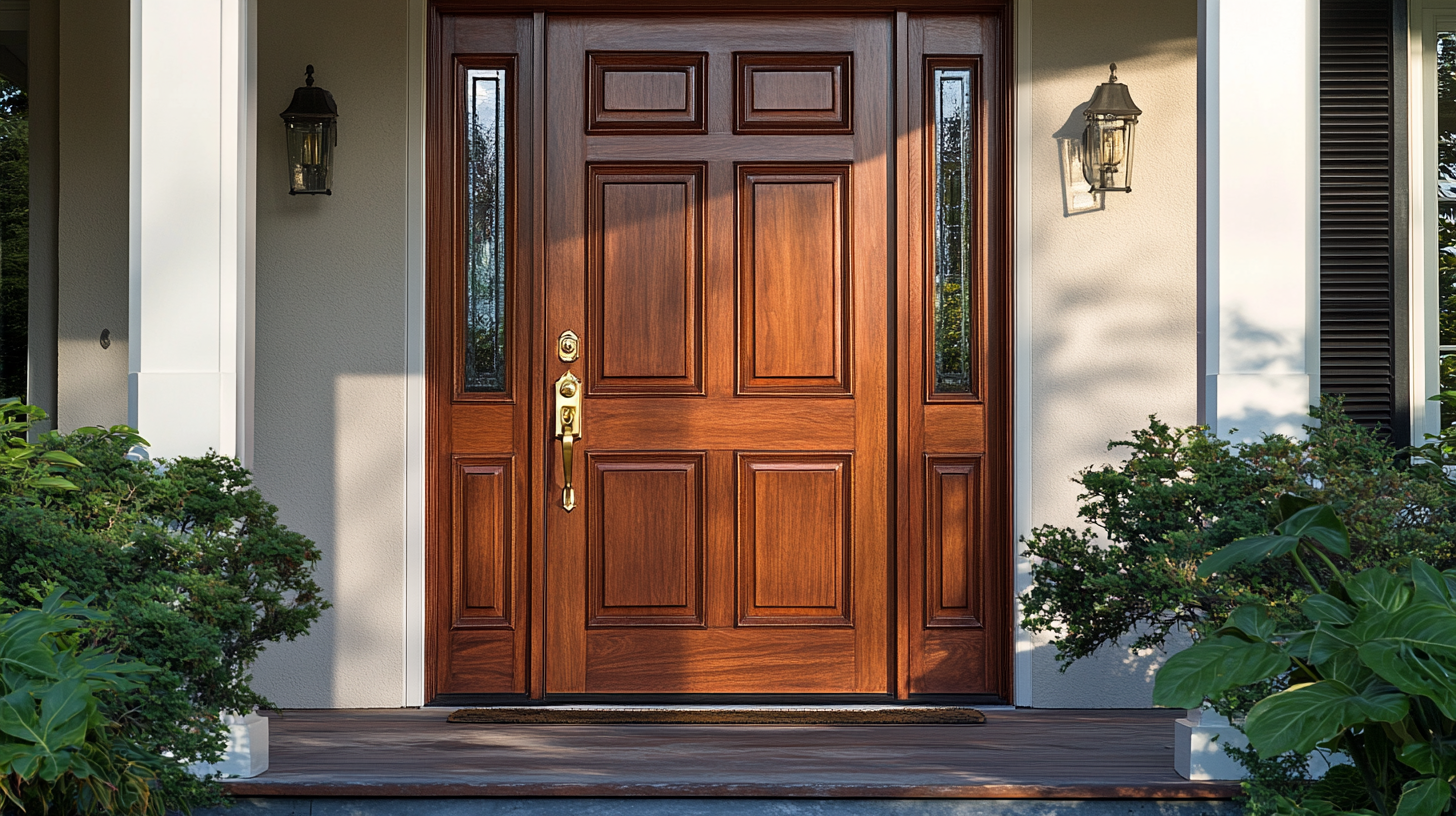
Many homeowners pair single French doors with sidelights. These narrow glass panels flank the door on one or both sides. Transoms add glass above the door frame. Combined configurations create grand entrances from modest openings.
When space limits your options, a single French door delivers style without compromise. You maintain the architectural character while respecting practical constraints.
Extended configurations amplify the French door effect dramatically. Sidelights are vertical glass panels beside the door. Transoms are horizontal panels above. Together, they create walls of light.
These additions transform standard openings into architectural statements. A basic 36-inch doorway becomes a stunning 60-inch light-filled entry. The visual impact is extraordinary.
Sidelights come in various widths. Common options include 12, 14, and 16 inches. You can install them on one side or both. Matching muntin patterns maintains design continuity.
Transoms work especially well with high ceilings. They fill the space between door tops and ceiling lines gracefully. Arched transoms add romantic flair. Rectangular versions suit modern aesthetics.
Selecting the right size ensures proper fit, smooth operation, and visual harmony. Industry standards make shopping easier, though custom options exist for unique situations. Here’s what you need to know about French door measurements.
Understanding standard french door sizes simplifies your planning process. Manufacturers produce doors in predictable dimensions. This standardization reduces costs and lead times.
Here’s a comprehensive reference table for the most common French door configurations:
|
Configuration |
Panel Width |
Total Width |
Standard Heights |
Best Application |
|
Single French Door |
24″ |
24″ |
80″, 84″, 96″ |
Closets, pantries |
|
Single French Door |
30″ |
30″ |
80″, 84″, 96″ |
Side entries, bathrooms |
|
Single French Door |
36″ |
36″ |
80″, 84″, 96″ |
Interior transitions |
|
Double French Door |
24″ + 24″ |
48″ |
80″, 84″, 96″ |
Interior rooms |
|
Double French Door |
28″ + 28″ |
56″ |
80″, 84″, 96″ |
Bedroom to balcony |
|
Double French Door |
30″ + 30″ |
60″ |
80″, 84″, 96″ |
Living room to patio |
|
Double French Door |
32″ + 32″ |
64″ |
80″, 84″, 96″ |
Dining room exits |
|
Double French Door |
36″ + 36″ |
72″ |
80″, 84″, 96″ |
Grand patio entries |
|
Sliding French Door |
2 panels |
60″ |
80″, 96″ |
Standard patio |
|
Sliding French Door |
2 panels |
72″ |
80″, 96″ |
Wide patio openings |
|
Sliding French Door |
3 panels |
96″-108″ |
80″, 96″ |
Great rooms |
Measure your existing opening carefully. Note dimensions at top, middle, and bottom. Older homes often have irregular openings. Professional measurement ensures proper fit.
Exterior french doors often exceed interior dimensions. Larger openings connect indoor and outdoor spaces more effectively. They also improve traffic flow during entertaining.
Many New Jersey homeowners prefer 72-inch widths for generous patio access. Structural considerations intensify with larger doors. Headers must support increased weight. Proper flashing prevents water intrusion.
American Quality Remodeling handles these technical requirements expertly. Our team ensures your doors perform flawlessly for decades.
Sometimes standard options don’t fit. Historic homes have unusual openings. Architectural visions demand specific proportions. Custom french door sizes solve these challenges.
Expect 4 to 8 weeks for custom orders, depending on complexity. Costs increase 20 to 40 percent over standard products. The investment pays off when standard doors would look wrong. Your vision doesn’t need to conform to standard catalogs.
French doors have enhanced homes for over four centuries. Their combination of beauty, light, and functionality remains unmatched. Whether you prefer traditional hinged designs or space-saving sliding configurations, French doors elevate any space they grace.
At American Quality Remodeling, we bring over twenty years of experience to every installation. Our team serves homeowners throughout New Jersey, Pennsylvania, and Delaware with exceptional craftsmanship and customer service. We’ve earned our reputation through thousands of successful projects and satisfied customers.
Ready to explore French door options for your home? Contact us today for a free consultation. We’ll assess your space, discuss your vision, and provide a detailed quote with no obligation. Let our expertise guide you toward the perfect French doors for your home and lifestyle.
Your dream doors are closer than you think. Call American Quality Remodeling or visit our website to schedule your consultation. We look forward to transforming your home.


Embark On Your Build With Us!
we will be in touch with you soon
