
6 min read
Jun 23, 2026
Enhance your home's exterior with Hardie board siding—durable, weather-resistant, and low-maintenance. Trust American Quality Remodeling for expert installation that stands the test of time!

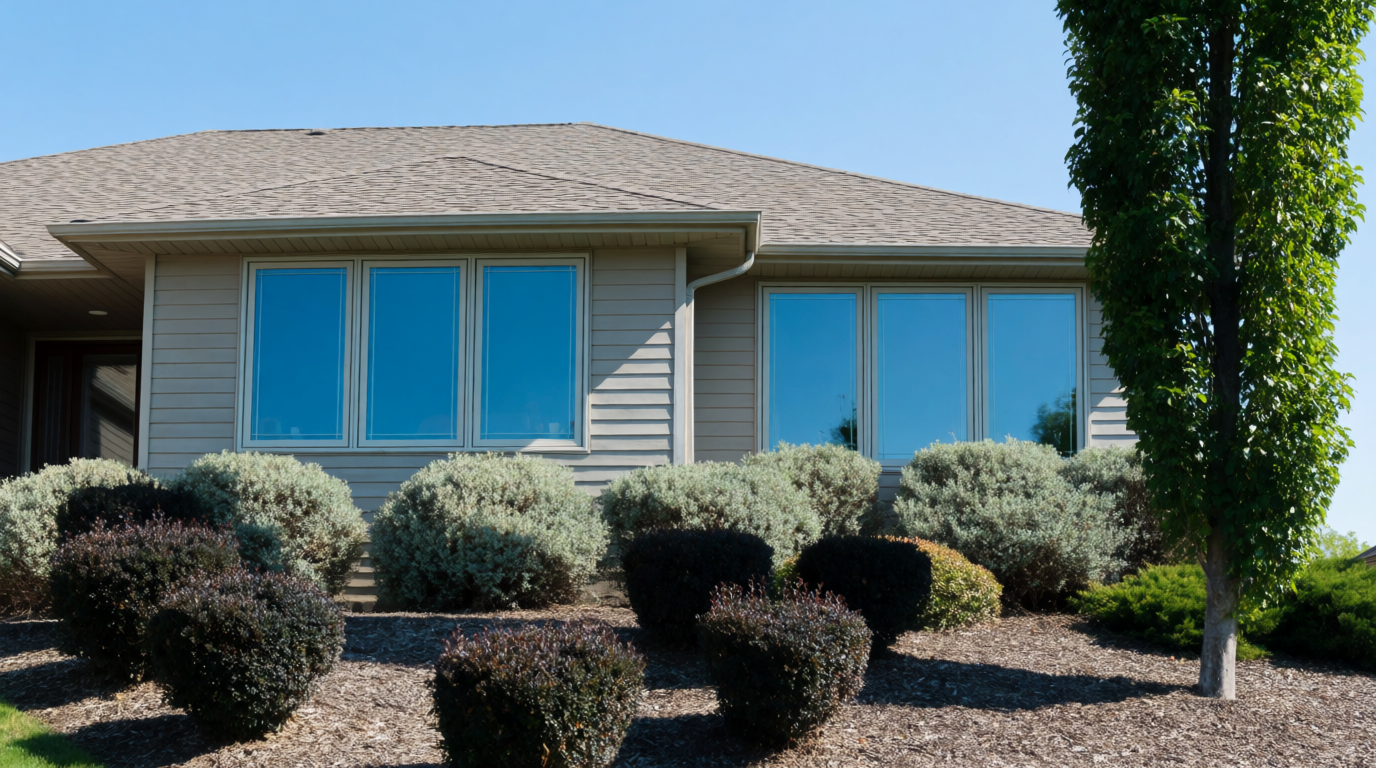
While many people may not know what Hardie board siding is, they have probably seen it on the exterior of houses throughout the United States and even the world. This durable material, constructed of cement fibers, retains the attractive appearance of wood or vinyl siding, but is especially effective in areas that have extreme weather. Here are some important things to know about this material.
Like wood or vinyl siding, it comes in all different shades and colors. While it has an attractive appearance, it has many other noteworthy features. It is impervious to nearly all weather conditions. Since it does not retain moisture it will not rot or swell. It is fire-resistant. It is a good choice for any area that has termites as it protects and defends against insect pests. As for costs, this siding is on par with wood and vinyl siding.
For many of the reasons already mentioned, Hardie board siding is a siding that has low upkeep and maintenance. It requires little of the upkeep of wood siding, while avoiding the negatives of vinyl siding in that it won’t chip, dent, sag or fade. Because it doesn’t retain moisture or crack, it will retain a paint job longer than traditional siding. There are many choices of paint colors that can come direct from the factory, but the customer can also select his or her own colors, in which case the siding will come already primed.
The installation of the product is best left to trained experts. Because the material is a bit heavier and can be brittle, installation requires a special technique best handled by an experienced installer.
Invented over a century ago by James Hardie, and first used in Australia, Hardie board siding is a durable choice for siding, especially in areas prone to harsh weather and to insect pests. It is an alternative to wood and vinyl siding worth considering.
Get In Touch With Us
+1 609-595-4900Ready To Work ?


Embark On Your Build With Us!
we will be in touch with you soon
