
6 min read
Jun 23, 2026
Find the best sealant for metal roof screws by comparing silicone and butyl options, understanding key performance properties, and learning how to apply sealant correctly for a durable, watertight seal.

A leaking metal roof screw usually needs a fastener fix first: tighten it, or replace it with an oversized screw and a new rubber washer. Around the screw head, use a sealant labeled for metal roofing, either a polyurethane roof and flashing sealant or a neutral-cure silicone. Butyl tape belongs in the laps between panels during installation. Acrylic caulk and asphalt roof cement are poor choices on metal.
Every exposed screw passes through a panel that expands in summer heat and contracts in winter cold, while the screw itself stays fixed in the framing. That movement works the joint around the washer through every temperature cycle. A sealant that hardens or loses grip on smooth metal eventually separates at that edge and opens a path for water.
Once water gets past the washer, it follows the screw shank into the sheathing or purlin below. Moisture there corrodes the screw, softens the wood around it, and loosens the fastener further, which is why a small leak at one screw tends to grow.
A sealant for metal roof fasteners has to handle five kinds of stress at the screw head. The table lists them and explains why each one matters.
|
Property |
Why It Matters for Screws |
|
Adhesion to metal |
Stays bonded under mechanical stress at the fastener point |
|
Flexibility/elasticity |
Accommodates thermal expansion without cracking |
|
UV resistance |
Exposed screw heads face direct sun all day |
|
Weather tolerance during cure |
Must seal reliably in humid conditions |
|
Compatibility with coated metals |
Kynar, galvanized, and painted surfaces bond differently |
In New Jersey and Pennsylvania, a roof cycles between winter nights below freezing and summer afternoons when dark panels get far hotter than the air. Choose a product whose label lists exterior roofing use and a service temperature range that covers both extremes.
Coating compatibility is the property most often overlooked at the store. Kynar-coated panels, galvanized steel and painted aluminum have different surface chemistries, and some sealants call for a primer on Kynar finishes. The product data sheet, rather than the front label, is the reliable source for this information.
Three product types suit metal roof screw penetrations and panel joints: polyurethane or hybrid polymer sealants, neutral-cure silicone and, during installation, butyl tape. Each fits a specific situation, and a few common products do not belong on metal at all.
Polyurethane roof and flashing sealants, such as Loctite PL Roof & Flashing, are sold specifically for metal roofing and flashing work. They grip bare and painted metal, stay flexible through seasonal movement, and can usually be painted to match colored panels. Hybrid polymer sealants labeled for metal roofs perform in a similar way. Check the data sheet for your panel coating before buying.
Silicone resists ultraviolet light well and remains flexible across a wide temperature range, which is why products such as NovaFlex are marketed for metal roofs. Choose a neutral-cure formula. Acetoxy silicone, the type that smells like vinegar while curing, releases acetic acid that can corrode some metals and coatings. Cured silicone cannot be painted, and other sealants will not bond to its residue later.
Butyl tape belongs in side laps and end laps between panels and under trim and flashing, where the fasteners compress it into a continuous gasket during installation. It cannot reseal an existing screw head. At individual screws, the rubber washer on each fastener provides the seal.
Acrylic latex caulk stiffens in freezing weather and cracks as the panel moves. Asphalt roof cement hardens, pulls away from smooth metal and stains painted finishes. Neither product is a durable fix for a metal roof screw in a climate with cold winters.
Both sealants work on a tight screw with a sound washer, so the choice depends on appearance and on what is already on the roof. Polyurethane suits colored panels, because it can usually be painted to match. Silicone suits exposures where maximum UV resistance matters more than color.
Stay consistent on a roof that was sealed before. If earlier repairs used silicone, either continue with silicone or remove the old material completely, since polyurethane will not bond to cured silicone residue.
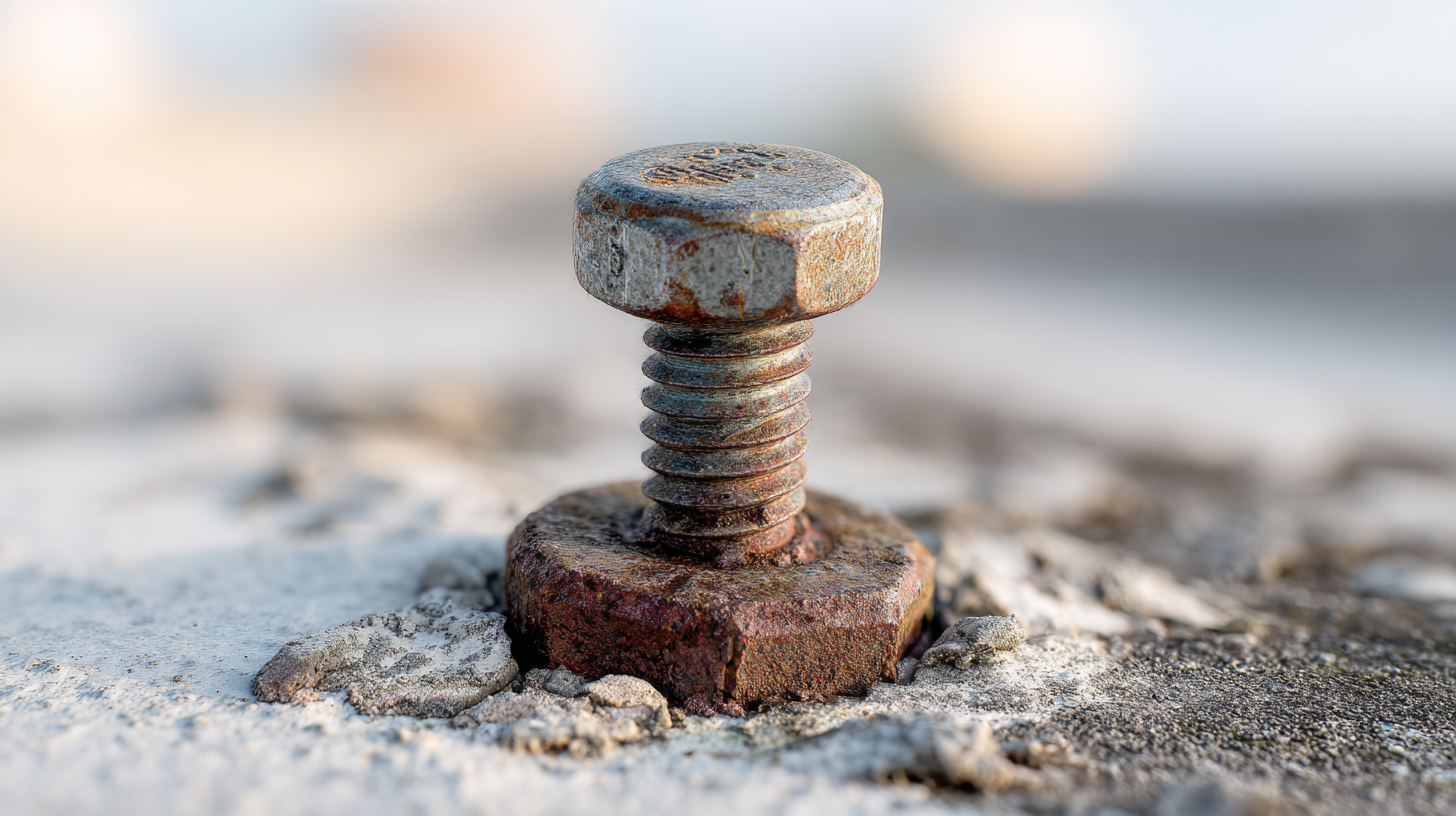
Most leaks at exposed fasteners start at the screw itself. The rubber washer under each head does the actual sealing. Caldwell’s Roofing reports that on older low-rib roofs, these washers break down from sun and heat after roughly 10 to 15 years. Sealant alone cannot compensate for a failed washer or a screw that no longer holds.
Sealant adds protection only on a tight screw with an intact washer. Surface preparation matters as much as the product, because sealant applied to a dirty or damp surface does not bond regardless of its rating.
Wipe the area around each screw head with isopropyl alcohol and remove dirt, oxidation, and any old sealant, including silicone residue. Let the surface dry completely.
Confirm that the screw is tight and the washer is intact. If either fails that check, fix the fastener first as described above.
Run a small continuous bead around the washer where it meets the panel, then tool it so the washer edge is fully covered. Sealant placed only on top of the screw head misses the point where water enters.
Keep the sealant dry for the full cure time printed on the product label. Rain on partially cured sealant reduces its final bond strength and flexibility.
Resealing a handful of screws is a reasonable repair when the fasteners are tight, the washers are intact and the panel around each screw is flat. A roofer should handle the job when screws are rusted or backed out across a large area, or when fasteners missed the framing. The same applies when leaks return after earlier sealing. Repeat failures usually mean the fasteners, washers or the wood beneath them need replacement.
For homes in New Jersey and Pennsylvania, our team handles roof leak repair and full fastener replacement on metal roofs, starting with a free inspection and estimate.
Yes, if it is a neutral-cure silicone labeled for metal roofing. Avoid acetoxy silicone, which smells like vinegar and can corrode some metals. Silicone cannot be painted, and other sealants will not stick to its residue, so plan to use silicone again for future repairs.
Both work on a tight screw with a sound washer. Polyurethane can usually be painted to match colored panels, while silicone offers stronger UV resistance. On a roof already sealed with one type, stay with that type or remove the old sealant completely.
Most metal roofs use #10 screws, so an oversized #12 or #14 replacement screw is the usual fix. Choose one with a bonded EPDM washer and enough length to reach solid wood. The larger diameter grips fresh material inside the old hole.
Screw caps protect aged washers and screw heads from sun and water, and prefilled versions add a layer of sealant. They cannot fix a loose, stripped or rusted screw, so tighten or replace those fasteners before capping them.


Embark On Your Build With Us!
we will be in touch with you soon
