
6 min read
Jun 23, 2026
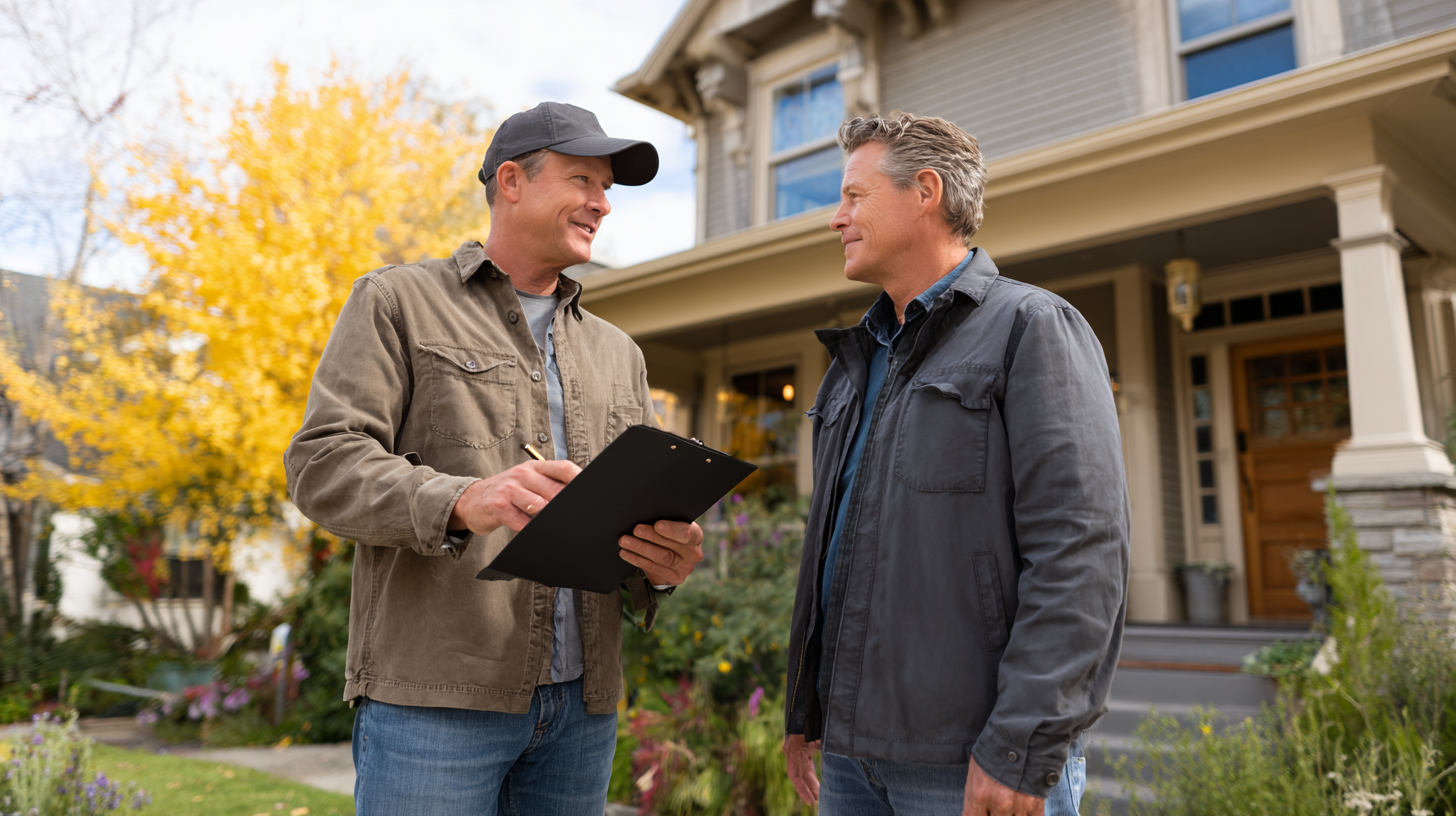
Bay windows cost between $1,500 and $7,500 installed, with most homeowners paying $3,000 to $5,000 for a standard three-panel bay window with mid-range materials. The final price depends on size, window style, frame material, installation complexity, and whether you’re replacing an existing bay window or creating a new opening in an exterior wall. Custom sizes and upper-floor installations can push costs above $10,000, while small box bay windows in existing openings can run as low as $1,500.
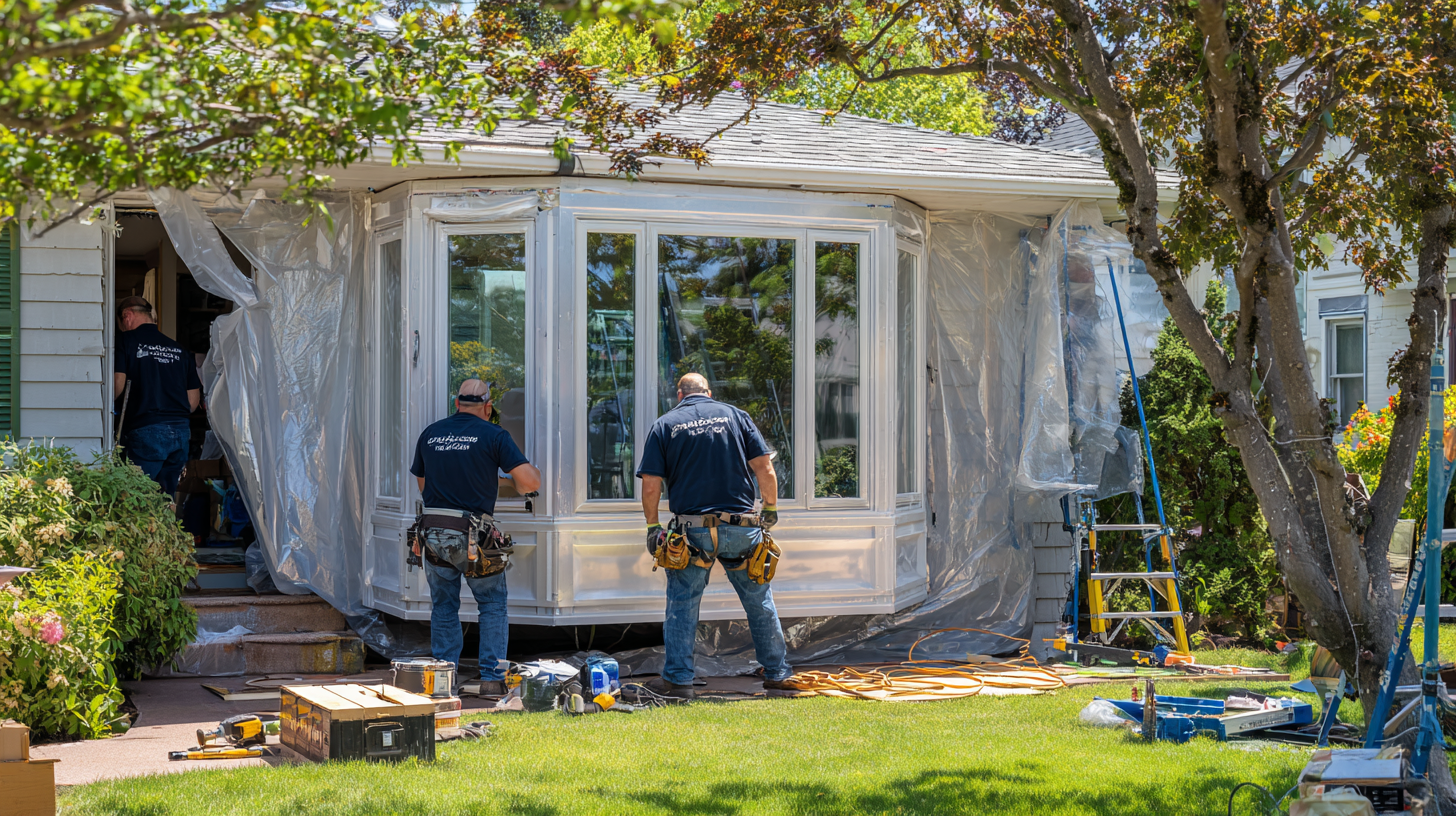
The national average for a bay window project sits around $3,500 per window installed, all-in. That number includes the window unit itself, installation labor, basic weatherproofing, and standard interior and exterior finishing.
For a clearer picture, bay window prices break into three tiers based on scope and material quality:
|
Tier |
Typical Price |
What’s Included |
What’s Not Included |
|
Low-end |
$1,500-$2,500 |
Small vinyl bay, replacement only, basic installation, minimal finishing |
Structural work, custom trim, window seat, high-performance glass |
|
Mid-range |
$3,000-$5,000 |
Standard-size bay, mid-tier frame, double-pane glass, full installation, standard trim |
Major structural modifications, custom buildouts, premium glass upgrades |
|
High-end |
$5,000-$10,000+ |
Large or custom bay, premium materials, triple-pane or Low-E glass, structural work, finished interior |
Full-room renovation, custom architectural modifications beyond the window opening |
Every price range below assumes a professional installation by a licensed contractor. DIY installation is not recommended for bay windows because of structural load, weight, and weatherproofing requirements – the savings rarely offset the risk of water damage or structural failure.
Size is the most predictable and strongest driver of bay window price. Standard bay windows range from 3 to 10 feet wide and 3 to 6 feet tall, with width having a larger cost impact than height because wider openings require heavier structural support.
|
Size (W × H) |
Typical Installed Price |
|
4×3 ft |
$1,500-$2,500 |
|
5×4 ft |
$2,500-$3,500 |
|
6×4 ft |
$3,000-$4,500 |
|
8×4 ft |
$4,000-$6,000 |
|
10×5 ft |
$5,500-$8,500 |
Custom and non-standard sizes carry a premium of 30 to 50 percent over equivalent standard dimensions. Most manufacturers offer bay windows in preset size ranges, and anything outside those ranges requires custom fabrication, which increases both material cost and lead time.
Bay windows come in five main styles, and the style you choose affects price through panel count, projection angle, and installation complexity. One style can cost two to three times more than another at the same width.
|
Style |
Typical Installed Price |
Defining Feature |
|
Box Bay |
$1,200-$3,000 |
90° side panels forming a rectangular projection; simplest geometry and lowest material cost |
|
Canted Bay |
$2,000-$5,500 |
Large fixed center panel with two angled side panels at 30° or 45°; the most popular and widely available style |
|
Oriel Bay |
$2,500-$5,500 |
Upper-floor projection supported by decorative brackets or corbels; priced higher due to height and specialized hardware |
|
Circle Bay |
$3,500-$7,000 |
Rounded projection, almost always custom-manufactured with more complex framing and finishing |
|
Bow Window |
$2,500-$9,000 |
4-6 equal-sized panels in a gentle arc; a close relative of the bay window rather than a bay style itself |
Canted bays remain the default choice for most American homes because they combine classic appearance, broad availability from major manufacturers like Andersen, Pella, and Marvin, and mid-range pricing. Box bays are the budget-friendly option when aesthetics allow, while circle bays and bow windows represent the premium end of the market, typically costing 25 to 40 percent more than a comparable canted bay due to extra glass, additional frames, and more complex geometry.
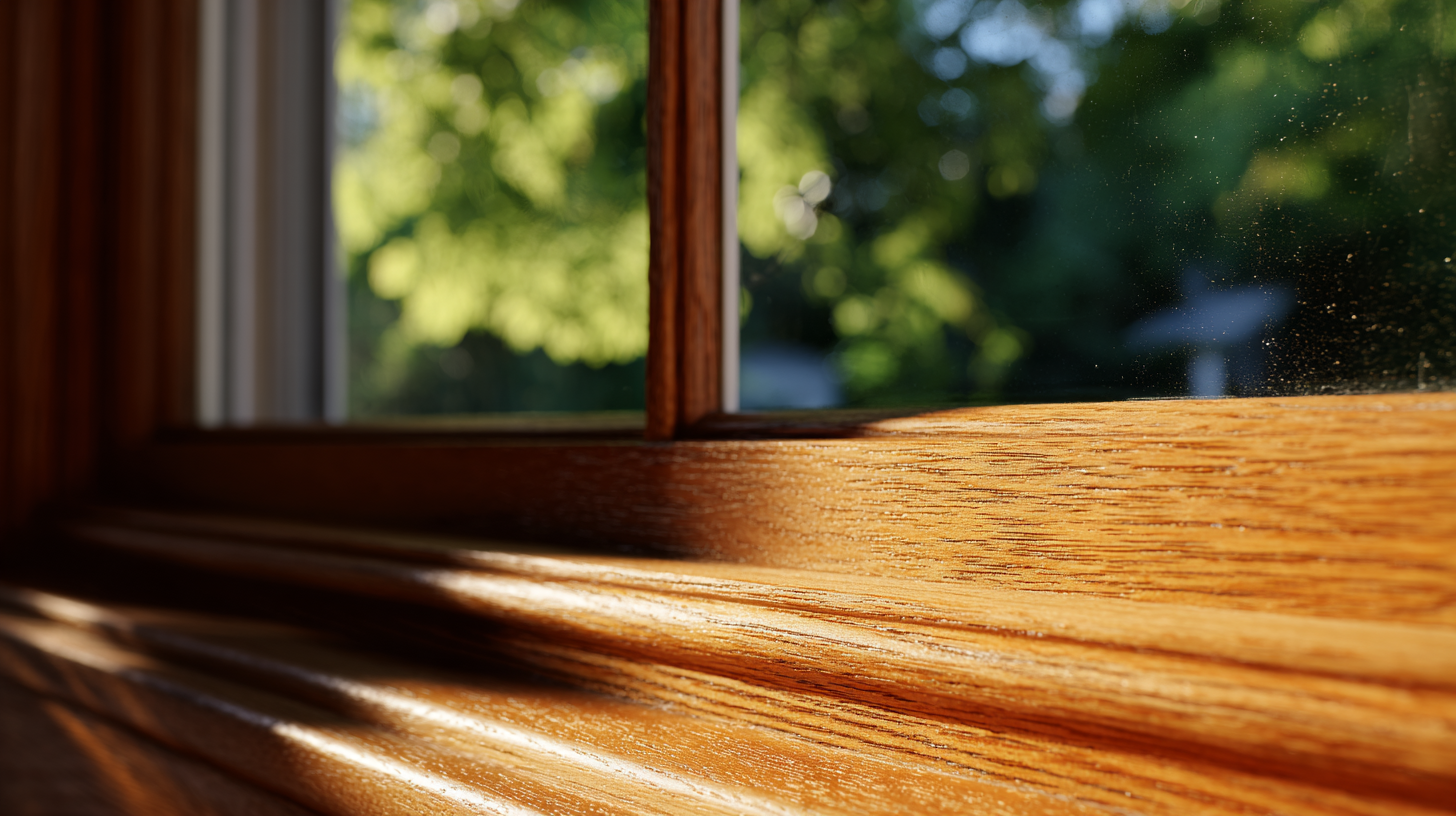
Frame material sets the initial price, the lifespan of the window, and the maintenance schedule you’ll live with. For a bay window specifically, material choice matters more than for a standard flat window because the projected structure faces weather from multiple angles and has a larger surface area exposed to temperature swings.
|
Frame Material |
Installed Price Range |
Durability |
Maintenance |
Best Use Case |
|
$1,500-$4,000 |
20-25 years |
Very low |
Mid-range homes, cold or mixed climates, budget-conscious projects |
|
|
$2,500-$5,500 |
25-30 years |
Low |
Homeowners wanting wood appearance without maintenance |
|
|
$3,000-$6,500 |
30-50 years |
Very low |
Harsh climates with large temperature swings |
|
|
$3,500-$8,000 |
30+ years with maintenance |
High |
Historic homes, traditional aesthetics, interior-focused upgrades |
|
|
Clad Wood |
$4,000-$8,500 |
30+ years |
Low-medium |
Homeowners wanting wood interior with weather-resistant exterior |
|
Aluminum |
$1,500-$4,000 |
20-30 years |
Low |
Warm climates, modern architectural styles, commercial applications |
In the Northeast – New Jersey, Pennsylvania, New York, and surrounding states – vinyl and fiberglass handle the freeze-thaw cycle far better than wood or aluminum. That’s why those two materials dominate replacement projects in the region.
The numbers in the tables above are all-in installed costs, but understanding how that money is distributed across line items helps when comparing quotes from different contractors and avoiding unpleasant surprises during the project. A well-itemized quote breaks the total into six categories.
This is the window itself – the frame, the sashes, the glass package, and the hardware. Glass specifications are the biggest swing factor within this line. A bay window has three to five separate glass units, so upgrades like triple-pane glass, Low-E coating, or argon gas fill multiply their effect. Moving from a basic double-pane to a Low-E triple-pane on a standard bay window typically adds $400 to $1,200 to the window unit cost.
A straightforward bay window replacement runs 6 to 12 hours of labor for a three-person crew. A new installation where no bay window existed before takes 1 to 4 full days. Upper-floor installations add 30 to 60 percent to labor costs because of scaffolding, lifts, and the extra care required at height.
This line only applies to new bay window installations or significant opening changes. It covers header replacement, wall framing modifications, and – when the opening is large or the existing structure is questionable – a structural engineer assessment that runs $300 to $800. For straightforward replacements in an existing bay opening, this line is usually zero.
Bay windows project out from the house, so they need their own small roof. For new installations, this line covers framing, decking, roofing material, flashing, and any siding work around the new opening. For replacements in existing bay openings, most of the roof already exists and only needs minor touch-up.
Every bay window project involves some interior finishing. The size of this line depends on how much of the surrounding wall is disturbed during installation. A clean replacement needs only trim replacement and paint touch-up. A new installation requires drywall repair, new trim, and often repainting entire wall sections.
Building permits run $100 to $400 in most New Jersey and Pennsylvania municipalities, depending on local requirements and whether structural changes are involved. Debris disposal, insulation, weather-stripping, and caulking round out this line.
The distribution shifts meaningfully between project types. For a straightforward replacement in an existing bay opening, the window unit and installation labor can account for 80 to 90 percent of the total, with almost nothing spent on structural work or roof addition. For a new installation, structural work, roof, and exterior finishing can eat up 30 to 40 percent of the budget.
When reviewing a quote, every one of these categories should appear as a separate line item. Quotes delivered as a single lump sum make apples-to-apples comparison impossible and often hide gaps in scope that turn into change orders later.
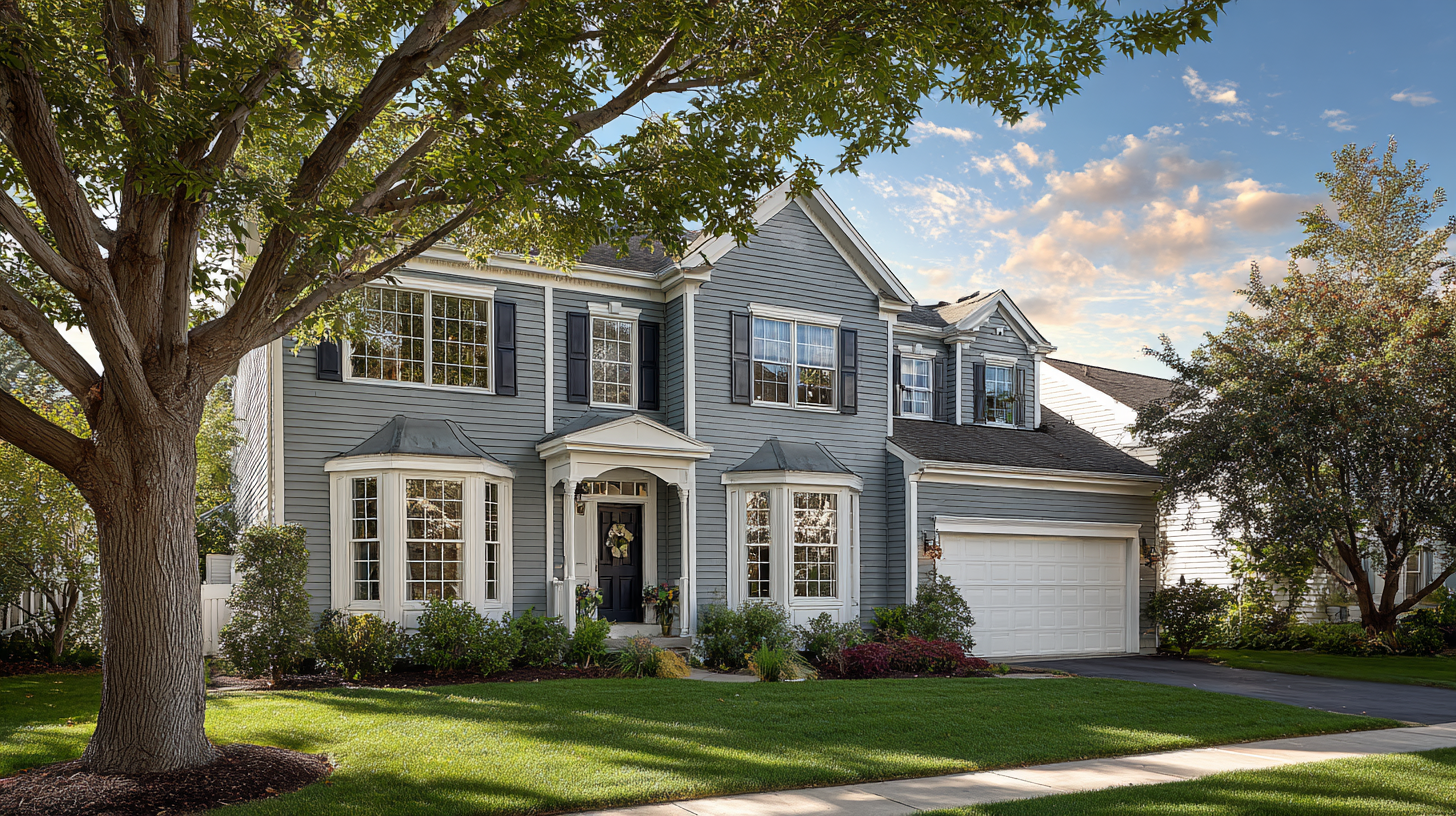
Bay windows return roughly 60 to 70 percent of their cost through increased home value, based on industry data from the Remodeling Cost vs Value Report, which tracks resale recovery for common home improvement projects. On top of the financial return, bay windows provide measurable benefits – natural light, extra floor space, curb appeal, and improved energy performance – that most homeowners experience daily.
A standard 6-foot bay window adds roughly 8 to 15 square feet of usable interior space, depending on projection depth. That’s enough for a window seat with storage, a small reading nook, or an expanded kitchen work area. The projection also brings light in from three directions instead of one, which makes interior rooms noticeably brighter throughout the day.
On the energy side, the benefit depends on what you’re replacing. Upgrading from a single-pane or failed-seal bay window to a modern ENERGY STAR certified unit can save $100 to $400 per year on heating and cooling costs, depending on climate zone, home size, and local energy prices. Homes in the Northeast, with cold winters and humid summers, tend to see savings closer to the high end of that range.
ENERGY STAR certified bay windows also qualify for the federal Energy Efficient Home Improvement Credit under the Inflation Reduction Act. The credit covers 30 percent of the window cost, up to a maximum of $600 per year through 2032. That’s a direct reduction on your federal tax bill, not a deduction, which makes it meaningfully valuable for projects in the $3,000 to $5,000 range.
Lifespan is another part of the value calculation. A quality bay window, properly installed, typically lasts 20 to 25 years or more before requiring replacement. Fiberglass and premium vinyl frames can last 30+ years. That long service life spreads the upfront cost across decades of use, which often brings the effective annual cost under $200 per year.
Bay windows make less sense in a few specific situations:
For most homeowners who plan to stay in their home five or more years and have a suitable wall for the installation, a bay window is one of the most rational exterior investments available – both for the daily quality-of-life improvement and for the financial return at resale.


Embark On Your Build With Us!
we will be in touch with you soon
