
6 min read
Jun 23, 2026
Learn how to choose a roofing style that fits your home by comparing options based on architecture, roof pitch, local weather, budget, and maintenance needs for long-term performance and curb appeal.

Choosing a roofing style means matching the roof to the home`s architecture, roof shape, local climate, budget, and maintenance expectations. The right roofing style is the one that looks appropriate on the house, works with the roof structure, and performs well over time in real weather conditions.
A roofing style is not just a design preference. It is a practical decision that combines visual fit with material performance, installation requirements, and long-term ownership costs.
The best way to choose a roofing style is to narrow the options in the right order. Start with the architectural style of the home, rule out options that do not fit the roof structure, account for NJ and PA weather conditions, and then compare materials by cost, lifespan, and upkeep.
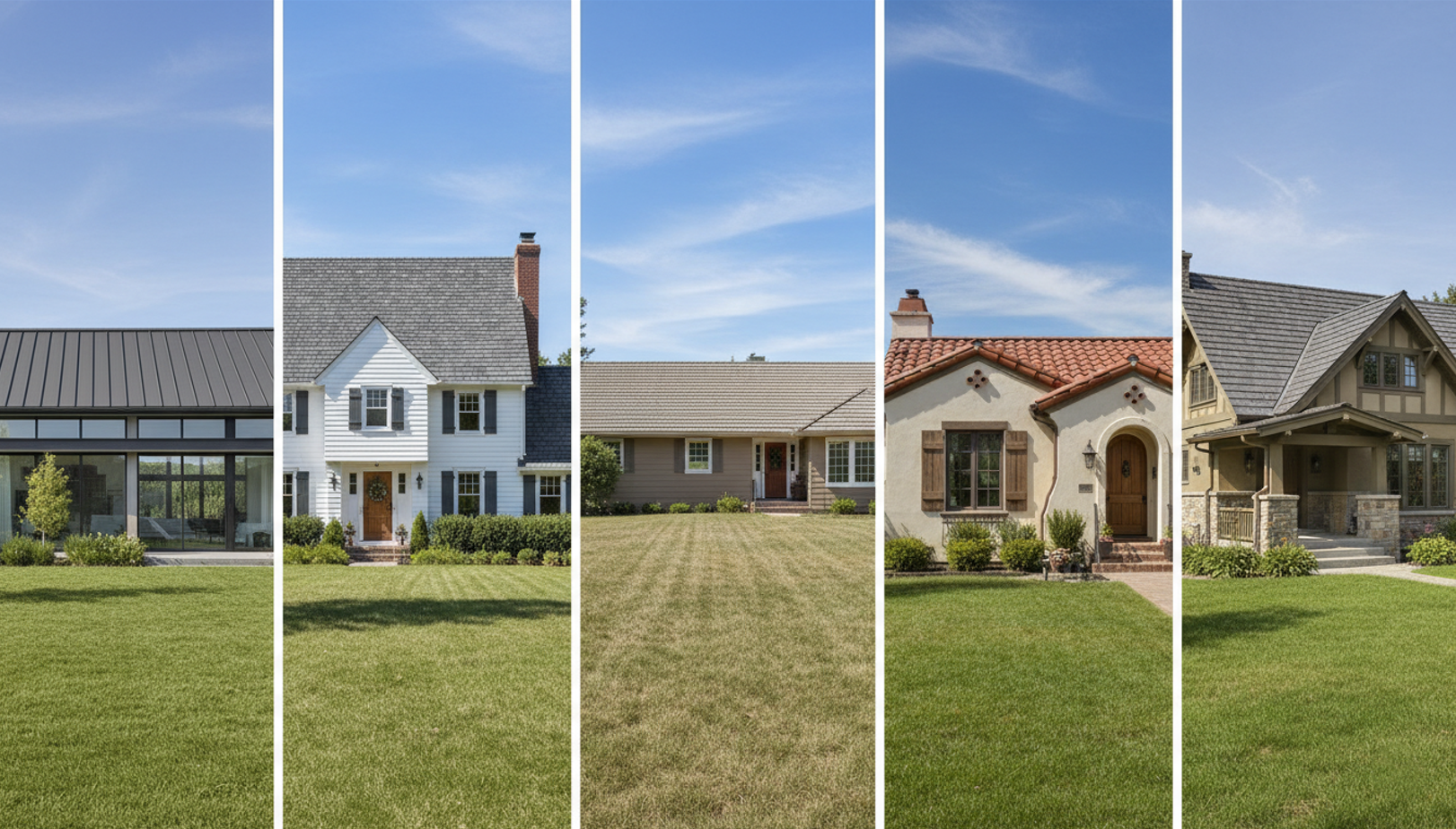
The best roofing style usually starts with the architectural style of the house because some roof types look natural on specific home designs and look out of place on others. A roof should support the character of the home rather than compete with it.
Modern homes usually look best with roofing styles that have clean lines, minimal texture, and a simple profile. Standing seam metal roofing is often a strong fit because it creates a streamlined appearance that matches contemporary architecture.
Modern homes can also work well with low-contrast colors and roofing systems that avoid heavy visual detail. The goal is usually a clean, intentional look rather than a roof with a traditional or decorative appearance.
A modern home does not always require metal, but it usually benefits from roofing styles that look precise and understated. If the house has sharp lines and contemporary materials, the roof should reinforce that design language.
Colonial and other traditional homes usually pair well with roofing styles that look balanced, formal, and familiar. Architectural asphalt shingles, slate-inspired roofs, and other classic roofing looks often fit these homes well.
Traditional homes usually benefit from roofing materials that support symmetry and proportion. A roof that looks too modern or visually aggressive can disrupt the overall appearance of the house.
Slate and slate-look systems are often especially appropriate on older or more formal traditional homes. Architectural shingles can deliver a similar visual balance at a lower cost and with broader compatibility.
Ranch homes usually look best with practical, low-profile roofing styles that do not overpower the structure. Architectural shingles are often a strong match because they provide texture and curb appeal without making the roof look too heavy.
Some ranch homes also work well with metal roofing, especially when the design is simple and the homeowner wants a cleaner or more updated appearance. The right choice depends on whether the goal is a classic residential look or a more modern interpretation.
Ranch homes typically benefit from restraint. A roofing style that is too ornate or visually dominant can make the house feel unbalanced.
Mediterranean and Spanish-style homes are usually the best fit for tile roofing or tile-look systems. These roofing styles match the shape, texture, and visual identity that define this type of architecture.
Clay tile is often the most authentic choice for this style, but tile-look alternatives can sometimes achieve a similar appearance with different structural and budget implications. The best option depends on how closely the homeowner wants to match the original design language.
These homes usually rely on the roof as a major architectural feature. A standard shingle roof often looks less natural on this style of house than a tile-driven system.
Craftsman and historic homes often look best with roofing styles that have more texture, dimension, and visual depth. Dimensional shingles, slate, synthetic slate, and some cedar-look alternatives are often strong fits where appropriate.
These homes usually benefit from materials that feel substantial rather than flat. A roof with more visual character tends to support the detailing and proportions that make these homes distinctive.
Historic homes also require more caution when choosing a roofing style. A roof that looks too modern or too generic can weaken the architectural identity of the property.
Not every roofing style works on every roof because slope, structural load, roof complexity, and local weather conditions can limit which materials and visual styles are practical. A roofing style should always be filtered through functional fit before appearance.
Roof pitch determines how well a roof sheds water and which materials can perform properly on that slope. Some roofing systems need enough pitch to move water off the surface efficiently.
Steep-slope roofs usually allow more style options than low-slope roofs. Many residential materials, including common shingles and slate-style systems, are designed for sloped applications where water drains quickly.
Low-slope roofs usually have fewer suitable options because drainage becomes more critical. A roofing style that looks appealing may still be the wrong choice if the slope does not support the material`s performance requirements.
Pitch matters because the wrong material on the wrong slope can create long-term water management problems. A good roofing decision always starts with compatibility.
Roof weight affects whether the structure can safely support certain materials. Tile and natural slate are usually heavier than asphalt shingles and many metal roofing systems, so the framing has to be able to carry that load.
Roof complexity affects installation difficulty, detailing, and cost. A roof with many valleys, dormers, penetrations, and transitions may make some materials more expensive or harder to install correctly.
A simple roofline can support a wide range of styles more efficiently. A complex roof often requires more careful material selection because some roofing systems handle detailed layouts better than others.
The right roofing style has to fit both the visual goal and the practical conditions of the roof. A style is only a good choice if it can be installed correctly and perform reliably.
Homeowners in New Jersey and Pennsylvania should choose a roofing style that can handle rain, wind, moisture exposure, seasonal temperature swings, and year-round wear. A roof that looks right but performs poorly in local weather is usually the wrong long-term choice.
Moisture management is especially important in this region. Roofing systems should support reliable water shedding, strong flashing details, and dependable protection around valleys, chimneys, skylights, and roof penetrations.
Wind resistance also matters. Some roofing systems are better suited to repeated weather exposure and storm-related stress than others, especially on exposed roof edges and vulnerable transitions.
Temperature changes affect long-term performance because roofing materials expand, contract, and age under seasonal stress. A good roofing choice in NJ and PA should be evaluated for durability, not only appearance.
Ventilation also plays a practical role in roof longevity. A roofing style should work with proper attic ventilation so heat and moisture do not shorten the life of the roof system.
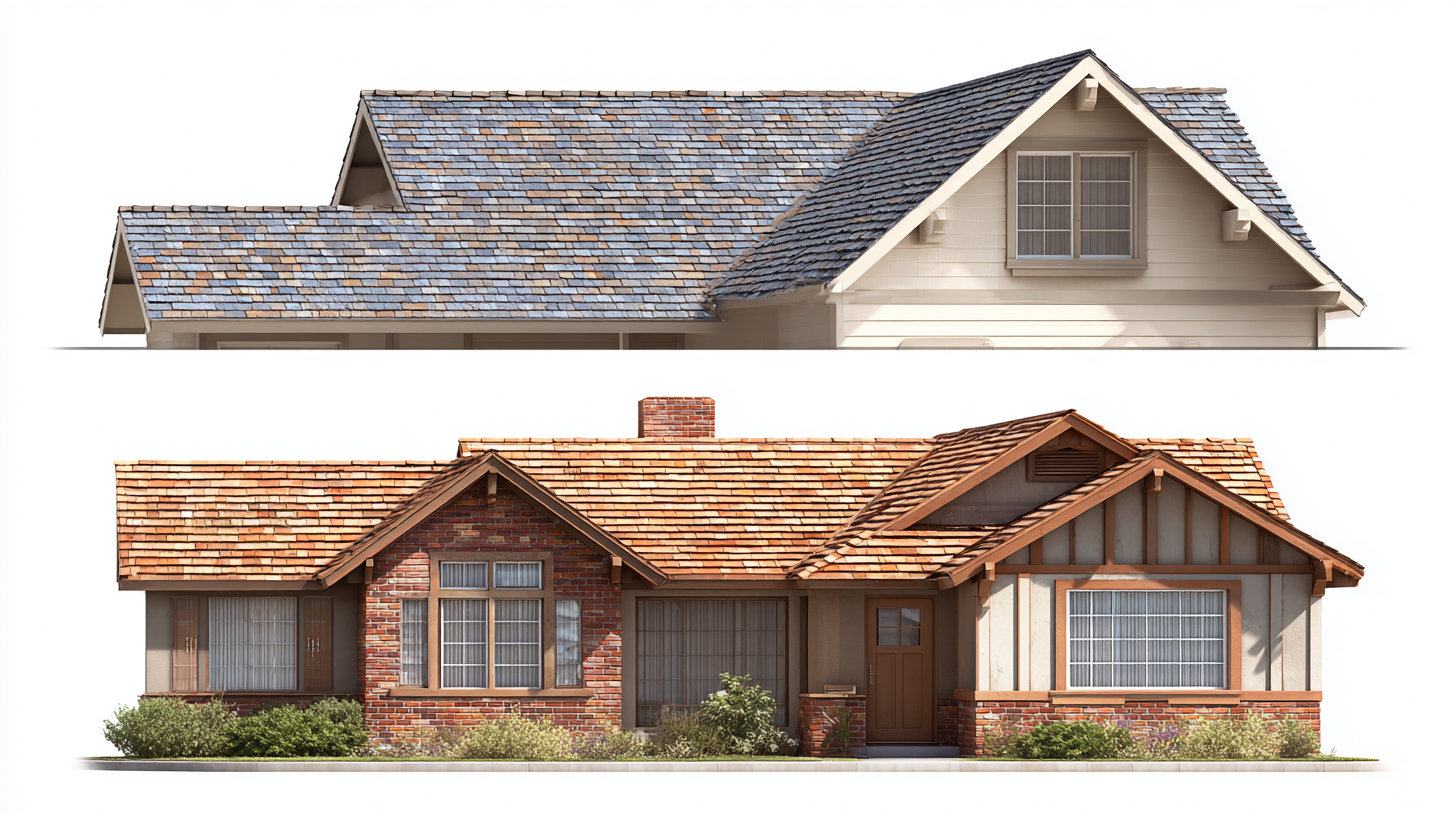
Once the architectural direction is clear, the next step is choosing the material that delivers the right balance of appearance, lifespan, maintenance, and cost. Roofing style is the overall fit of the roof on the home, while roofing material is the product used to achieve that look and performance.
Asphalt shingles are often the best starting point for homeowners who want a practical balance of cost, appearance, and broad compatibility. They work well on many traditional homes and many ranch-style homes.
Architectural asphalt shingles usually provide more depth and curb appeal than basic three-tab shingles. They are often chosen because they create a familiar residential look at a relatively accessible price point.
Asphalt shingles are usually the most versatile option when budget matters and the homeowner wants a proven, widely used roofing system. They are often the most practical choice for standard residential applications.
Metal roofing is often a strong choice for homeowners who want a longer-lasting system, a cleaner appearance, and less traditional visual character. It is especially appealing on modern homes and on homes where durability is a high priority.
Standing seam metal is often associated with a more contemporary look, while other metal profiles can fit more transitional or updated traditional homes. The exact fit depends on the house design and the visual goal.
Metal roofing can also be attractive to homeowners who want lower long-term maintenance and strong weather performance. The main decision is whether the style matches the architecture of the home.
Tile roofing is usually the best fit when the home`s architecture clearly supports it. Mediterranean and Spanish-style homes are the most natural match because tile is part of the visual identity of those designs.
Tile usually creates a distinctive, high-character roof appearance that standard shingles do not replicate well. That visual strength is one of its main advantages.
Tile also comes with practical considerations. It is often heavier, more structurally demanding, and more expensive than common shingle systems, so it works best when both the home design and roof structure support it.
Slate is often chosen for premium appearance, traditional elegance, and architectural authenticity. It is usually most appropriate on historic homes, upscale traditional homes, and properties where the roof is meant to be a defining visual feature.
Natural slate usually carries higher structural demands and higher cost than most other residential roofing materials. That makes it a specialized choice rather than a default option.
Synthetic slate can help homeowners achieve a similar visual effect with different weight, maintenance, and budget considerations. It is often considered when the goal is a slate look without the full demands of natural stone.
Some homeowners want the appearance of a premium or distinctive roof without choosing the most expensive or heaviest material. In those cases, alternative systems can help bridge the gap between style and practicality.
Stone-coated metal can offer more character than a standard metal panel while still delivering metal-based performance. It may suit homeowners who want a different visual texture without moving fully into tile or slate.
Dimensional shingle systems and other premium-look options can also provide a more refined appearance than entry-level materials. These alternatives are often useful when the homeowner wants better curb appeal while keeping installation and ownership more manageable.
The simplest way to choose between materials is to decide which priority matters most. If budget is the top priority, asphalt is often the lead candidate. If longevity and a cleaner profile matter most, metal often moves higher on the list. If architectural authenticity matters most, tile or slate-style systems may be the better fit.
Most roofing style mistakes happen when homeowners choose only by appearance, ignore roof limitations, or underestimate maintenance and long-term cost. A roof should be selected as a building system, not just as a design feature.
Choosing based on curb appeal alone is one of the most common mistakes. A roof can look attractive in a photo or on another house and still be the wrong fit for a different structure, climate, or architectural style.
Copying a neighboring home without checking compatibility can also lead to poor results. The same roofing style can look balanced on one house and awkward on another because the proportions, pitch, and design language are different.
Ignoring maintenance expectations creates long-term frustration. A roof that looks impressive at installation may become a poor choice if the homeowner is not prepared for the upkeep or repair considerations that come with it.
Ignoring roof pitch, structural load, or local weather demands can create the biggest problems. A roofing style is only a smart choice if it fits the house visually and works under the conditions the roof will actually face.
The right roofing style usually comes from a simple sequence of decisions rather than a single preference. Start with what fits the architecture of the home, then remove any options that do not fit the roof structure or local climate.
If the house is modern, cleaner roofing styles such as standing seam metal often make the most sense. If the house is traditional, colonial, ranch, craftsman, or historic, shingles, slate-style roofs, or other classic options are usually more natural fits.
If the roof has structural or slope limitations, those limits should narrow the choices before appearance becomes the focus. A roof that cannot support the material or pitch requirements should be ruled out early.
If the home is in New Jersey or Pennsylvania, weather performance should carry as much weight as curb appeal. Moisture control, wind resistance, durability, and ventilation all affect whether a roofing style is a good long-term choice.
The best roofing style is the one that matches the home, works with the roof, handles the local climate, and fits the homeowner`s budget and maintenance goals.


Embark On Your Build With Us!
we will be in touch with you soon
