
6 min read
Jun 23, 2026
Learn what a drip edge is and why your roof needs one. We explain how it works, the types available, and what happens when it's missing or damaged.

Some roofing components get all the attention. Shingles. Gutters. Skylights. Everyone knows those. But the small parts working quietly at the edges? They rarely get mentioned until something goes wrong.
Drip edge falls squarely into that category. Most homeowners have never heard of it. They don’t know it exists until water starts damaging their fascia boards or rotting their roof deck. Then suddenly this little strip of metal becomes very important.
At American Quality Remodeling, we’ve spent over 20 years installing and repairing roofs across New Jersey, Pennsylvania, and Delaware. We’ve seen what happens when the drip edge is missing, damaged, or improperly installed. The repairs cost far more than the component itself ever would.
This article explains what is a drip edge in roofing, how it protects your home, and why every roof needs one properly installed.
Let’s start simple. A drip edge is a metal strip installed along the edges of your roof. It sits underneath the shingles at the roofline and extends slightly over the edge, creating an angled profile that directs water away from vulnerable areas.
You might also hear it called drip edge flashing. Same thing, different name. Contractors use both terms interchangeably.
The drip edge on roof installations appears in two locations. First, along the eaves. That’s the horizontal edge where your roof meets the gutters. Second, along the rakes. Those are the sloped edges on the gable ends of your roof. Both locations need protection because water flows to the edges and pools there if nothing redirects it.
Materials vary based on budget and needs. Aluminum is the most common choice. It’s lightweight, rust-resistant, and affordable. Galvanized steel offers more strength but can corrode over time. Copper sits at the premium end. It lasts decades and develops that distinctive patina, but costs significantly more.
Standard profiles measure between 2 and 4 inches on each flange. The angle between flanges typically runs around 120 degrees, though this varies by type. Some have simple L-shapes. Others feature extended kick-outs or specialized profiles for specific applications.
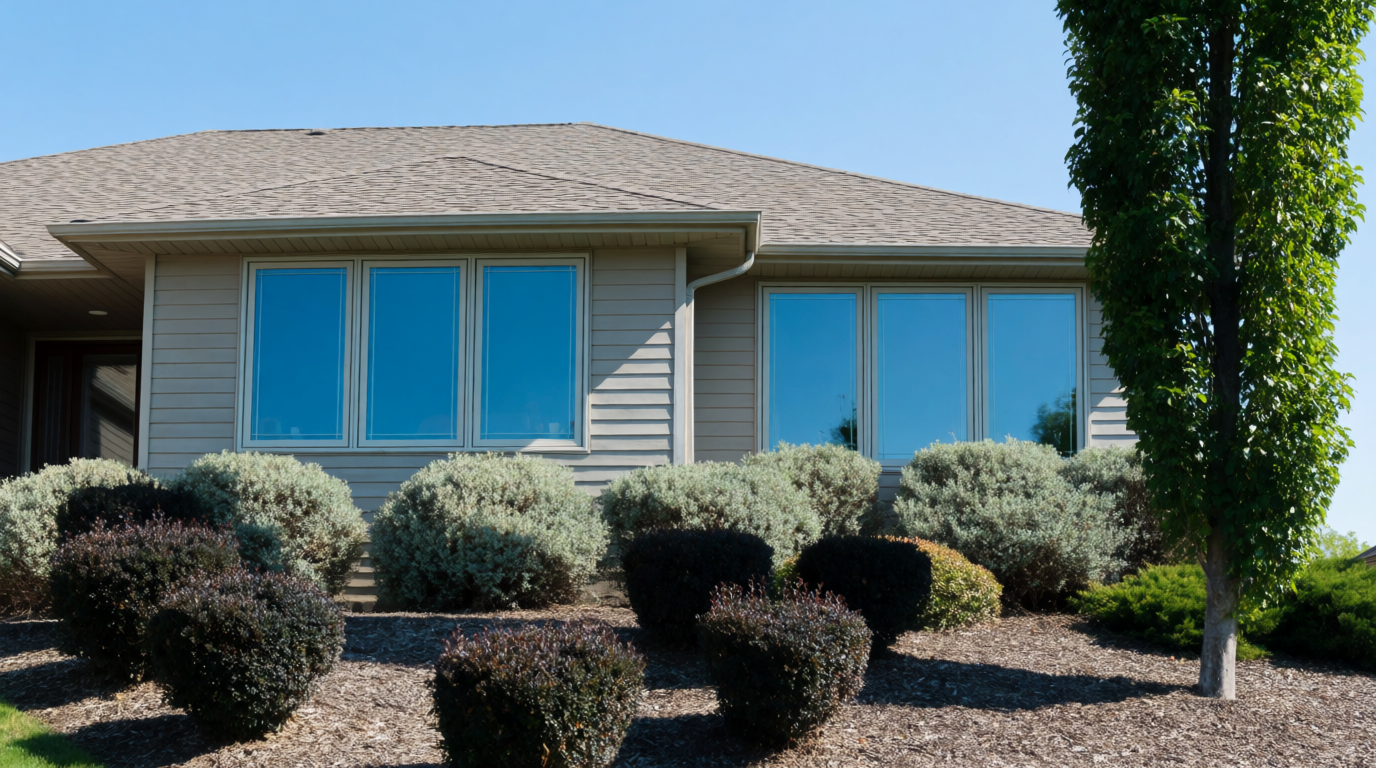
What does a drip edge look like from the ground? Honestly, not much. You’ll see a thin metal line running along your roof edges, usually matching your trim color or left unpainted. It’s subtle by design. The goal is protection, not decoration.
Understanding how drip edge works requires thinking about water behavior. When rain hits your roof, it flows downward across the shingles toward the edges. Without a drip edge, that water reaches the edge and does something problematic. It wraps around.
This phenomenon is called capillary action. Water clings to surfaces and travels along them, even upward or sideways against gravity. At your roof edge, water wraps under the shingles, contacts the roof deck, and soaks into the wood. Day after day. Storm after storm. Eventually, rot sets in.
The roofing drip edge breaks that cycle. Its angled profile creates a clean break point. Water flows down the shingles, hits the drip edge, and drops straight down into the gutter. No wrapping. No clinging. No slow destruction of your roof structure.
Here are the five critical functions:
The installation sequence matters too. At eaves, the drip edge goes under the underlayment. At rakes, it goes over the underlayment. This layering ensures water always flows outward, never inward. Get it backwards and you’ve created a water trap instead of a water barrier.

Not all drip edges perform equally. Different profiles serve different purposes. Choosing the right one depends on your roof design, gutter system, and local weather patterns.
Here’s what the roof drip edge types look like in practice:
|
Type |
Profile Shape |
Best For |
Material Cost (per linear ft) |
Installed Cost (per linear ft)* |
|
Type C (L-shaped) |
Simple L |
Basic protection, low-slope |
$0.30-$1.00 |
$1.50-$2.50 |
|
Type D (T-shaped) |
T with kick-out |
Most residential roofs |
$1.00-$1.50 |
$2.00-$3.00 |
|
Type F (Gutter Apron) |
Extended flange |
Roofs with gutters, heavy rain |
$1.50-$2.50 |
$2.50-$5.00 |
Type C features a basic L-shape. One flange sits on the deck, the other hangs over the edge. It works fine for simple applications and low-slope roofs. But the minimal projection limits its effectiveness in heavy rain. Water can still splash back onto the fascia.
Type D adds a kick-out at the bottom. This extra bend directs water farther from the roof edge. Most residential roofs in our region use Type D. It handles moderate to heavy rainfall well and works with standard gutter installations. When homeowners ask about types of drip edge for typical homes, this is usually what we recommend.
Type F extends the lower flange significantly. Sometimes called a gutter apron, this profile reaches well into the gutter trough. It’s ideal for areas with heavy rainfall or homes where water management is critical. The extended reach ensures water enters the gutter even during intense storms.
Material choice matters alongside profile selection. Aluminum handles most situations beautifully. It won’t rust, costs a reasonable amount, and lasts 20+ years easily. Galvanized steel offers superior strength for areas with heavy ice or debris. Copper commands premium pricing but delivers unmatched longevity and aesthetic appeal on historic or high-end homes.
Yes, in most cases. The International Residential Code requires a drip edge on asphalt shingle roofs. Specifically, section R905.2.8.5 mandates it at eaves and gables in areas where underlayment is required.
New Jersey, Pennsylvania, and Delaware all follow IRC guidelines. Any new roof installation or complete replacement should include a proper drip edge. Inspectors look for it during permit inspections.
Some exceptions exist for certain roofing materials or specific local amendments. But reputable contractors treat drip edge as essential, not optional. The protection it provides far outweighs the minimal cost. When we complete a roofing project at American Quality Remodeling, proper drip edge installation is always part of the job.
Insurance companies increasingly pay attention. Some policies require code-compliant installations. Others offer better coverage terms for roofs with proper edge protection. Skipping the drip edge to save a few dollars can create problems with claims later.

The consequences develop slowly but add up dramatically. Here’s what we see on roofs lacking proper drip edge flashing:
Rotted fascia boards. This is the most common problem. Constant water exposure destroys the fascia wood within years. Replacement costs $15 to $25 per linear foot installed. On a typical home, that’s $1,500 or more.
Water damage to the roof deck. Edge rot spreads inward over time. What starts as soft spots along the perimeter becomes a structural compromise requiring extensive repairs.
Worsened ice dams. Without proper water direction, ice builds up along edges more readily. The freeze-thaw cycle accelerates damage during our harsh winters.
Pest infestation. Carpenter bees, wasps, squirrels, and mice exploit gaps that the drip edge would seal. Once inside your roof structure, they create additional damage.
Shingle deterioration. Unsupported edges curl and crack prematurely. You’ll need replacement years before the rest of the roof wears out.
Foundation problems. Water missing the gutters falls directly alongside your foundation. Over time, this causes erosion, basement moisture, and potential structural issues.
How can you tell if your drip edge needs attention? Look for staining on fascia boards. Check for visible rust or bent sections. Notice whether water overshoots your gutters during rain.
Grab a ladder and take a quick look. You should see a metal strip running continuously along your roof edges. It should extend into or over your gutters without gaps. No rust. No bends. No missing sections.
If your roof is older than 15 years, or you’ve experienced storm damage recently, schedule a professional inspection. We check the drip edge condition on every roof evaluation at American Quality Remodeling. Proper installation, correct sequencing with underlayment, and the appropriate type for your specific roof all matter.
This small component prevents expensive repairs. That’s the bottom line. Questions about your roof edges? Give us a call for a free assessment across New Jersey, Pennsylvania, and Delaware.


Embark On Your Build With Us!
we will be in touch with you soon
