
6 min read
Jun 23, 2026
Learn what EPDM roofing is, how this single-ply rubber membrane is made, and why it is commonly used on flat and low-slope roofs. Compare thickness options, seam methods, lifespan, and typical commercial applications.

EPDM (Ethylene Propylene Diene Terpolymer) is a single-ply synthetic rubber roofing membrane used on flat and low-slope roofs. Its two primary components – ethylene and propylene – are derived from oil and natural gas. EPDM has been in continuous use in commercial construction for more than 60 years, giving it a longer documented field performance record than any other single-ply roofing system currently available.
EPDM belongs to the class of thermoset elastomers – materials that form permanent, irreversible molecular bonds when cured. This is a fundamental distinction from thermoplastic membranes such as TPO and PVC, which can be remelted and heat-welded. Once EPDM is cured, its chemical structure cannot be altered by heat, which determines both its repair method and its long-term weathering behavior.
Black is the standard color for EPDM because of the role of carbon black in the compound. Carbon black is added during manufacturing to convert UV radiation into heat rather than allowing it to attack the polymer chains. This process – UV absorption through carbon black – is what gives black EPDM its exceptional resistance to solar degradation over decades of exposure.
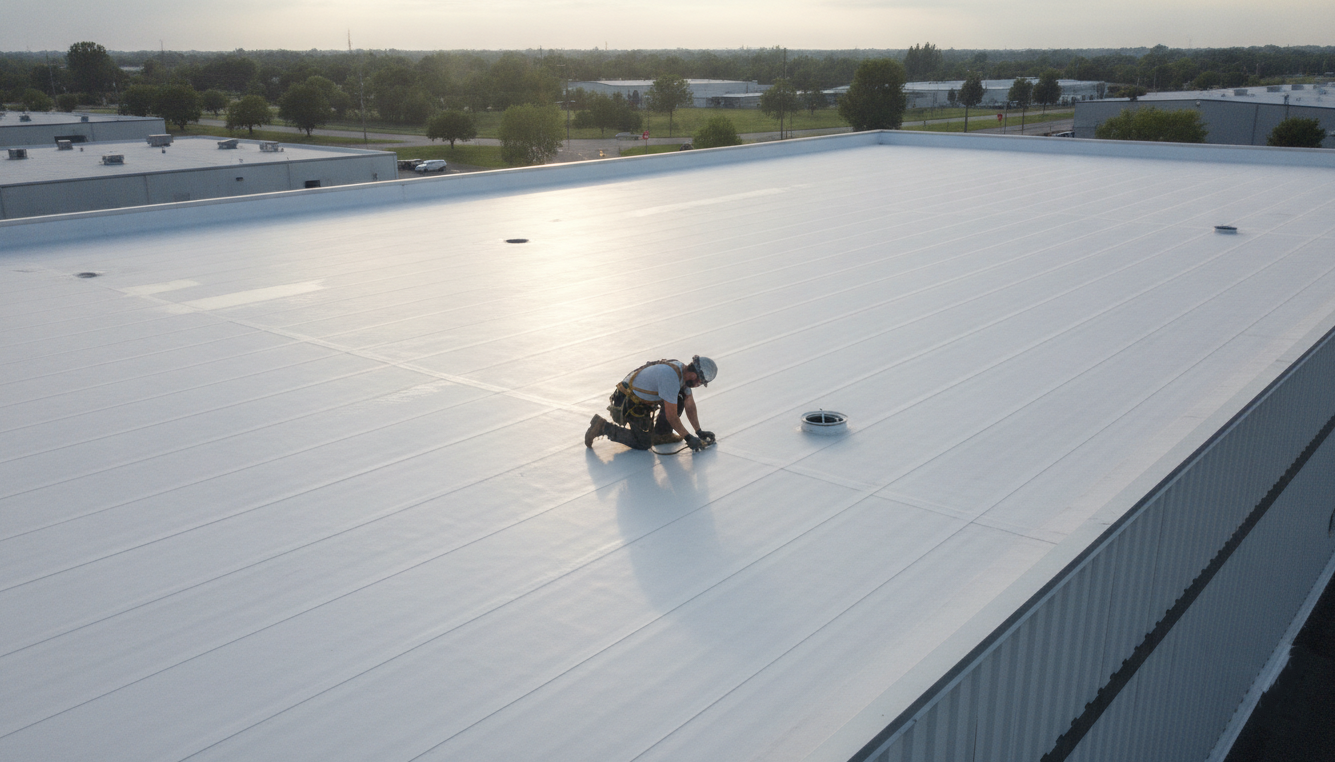
White EPDM uses titanium dioxide instead of carbon black. Titanium dioxide reflects UV radiation rather than absorbing it, which reduces heat gain through the roof assembly. White EPDM is available as an alternative for buildings in warm climates or in jurisdictions with cool roof energy code requirements. Its reflectivity makes it suitable for heat-sensitive spaces, but it requires more frequent cleaning than black membrane because dirt is more visible on the lighter surface.
EPDM membranes are manufactured in rolls ranging from 7.5 to 50 feet wide. Available thicknesses are 45, 60, and 90 mil. A 60-mil fully adhered membrane weighs approximately 0.5 pounds per square foot. Wider rolls reduce the number of seams on the finished roof, which directly reduces the number of potential leak points.
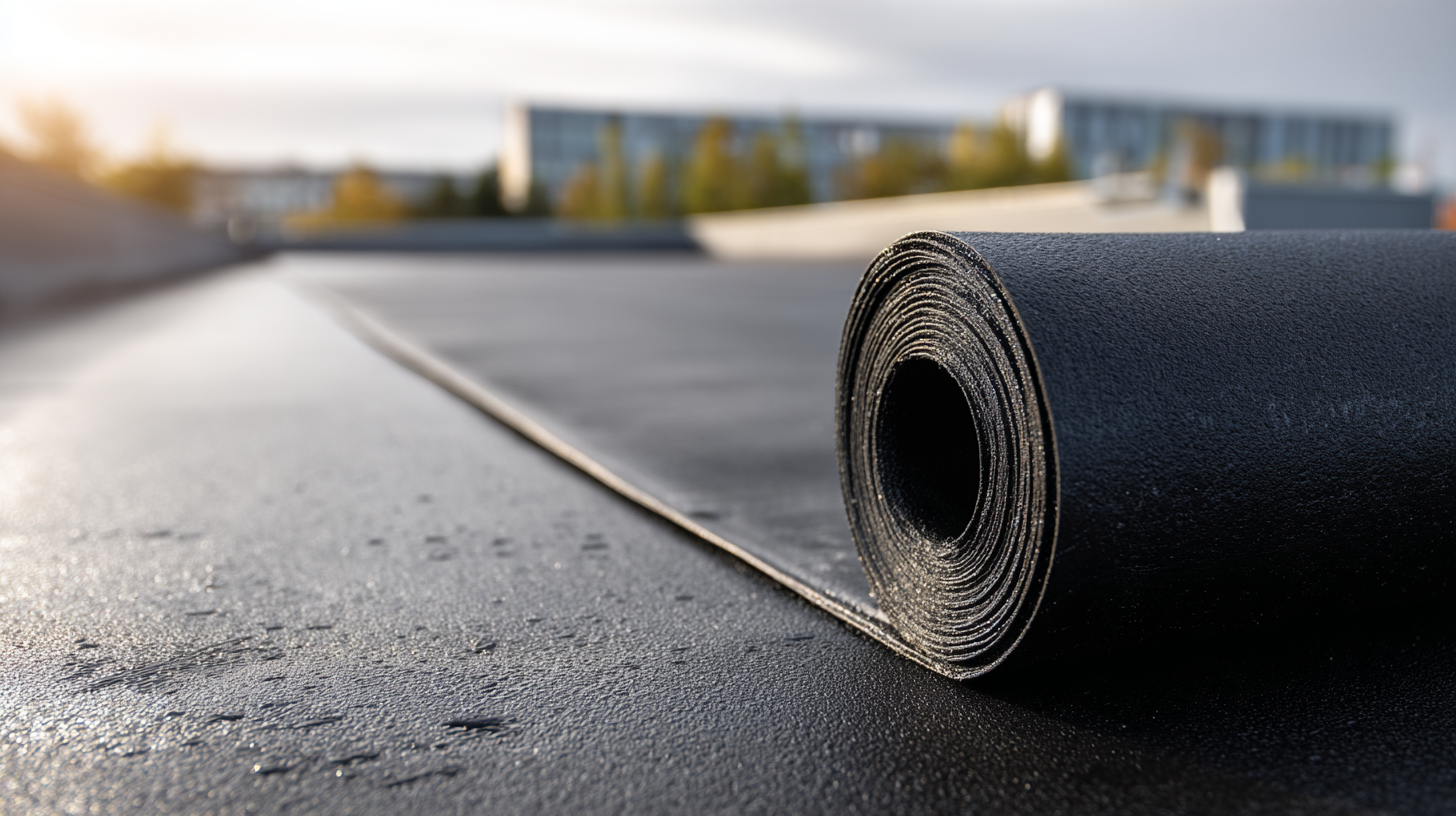
“Rubber roofing” is a colloquial term that refers to EPDM in the overwhelming majority of cases. The two terms are used interchangeably in roofing practice. When a contractor or estimate references a “rubber roof” without specifying the material, there is greater than a 95% probability the material is EPDM. No other rubber-based roofing membrane has achieved comparable market penetration.
EPDM is classified as a vulcanized synthetic rubber. Vulcanization is a chemical process that cross-links polymer chains using sulfur or similar agents, producing a material that is flexible, elastic, and resistant to impact. This is why EPDM physically behaves like rubber – it bends without cracking, stretches without tearing, and returns to its original shape after deformation.
EPDM and TPO are sometimes confused because both are single-ply membranes installed on flat roofs and both are available in light colors. The difference is chemical: EPDM is a thermoset material, and TPO is a thermoplastic. This distinction determines how seams are joined. TPO seams are heat-welded – the two sheets are fused into a single continuous layer using a hot-air gun. EPDM seams are bonded with liquid adhesive or butyl tape.
The practical consequence of this difference is that an EPDM seam cannot be re-welded if it fails. A failed EPDM seam is repaired by cleaning the area, applying fresh adhesive or lap sealant, and pressing a patch or seam tape over the affected section. A failed TPO seam can be re-welded with a heat gun if the membrane surface is in good condition. This makes seam repair on EPDM more labor-dependent and more sensitive to surface preparation quality.
EPDM, TPO, and PVC are the three primary single-ply roofing membranes for flat and low-slope roofs. All three are installed as continuous sheets over insulation boards, but they differ in chemical structure, seam method, energy performance, and chemical resistance.
|
Property |
EPDM |
TPO |
PVC |
|
Base material |
Synthetic rubber (thermoset) |
Polypropylene + rubber (thermoplastic) |
Polyvinyl chloride (thermoplastic) |
|
Standard color |
Black |
White |
White / light gray |
|
Seam method |
Adhesive or tape |
Heat-welded |
Heat-welded |
|
Energy efficiency |
Low (black) / High (white) |
High |
High |
|
Chemical resistance |
Low |
Moderate |
High |
|
Avg. cost per sq. ft. |
$6-$12 |
$5-$12 |
$6-$14 |
|
Lifespan (maintained) |
25-30+ years |
20-30 years |
20-30 years |
EPDM is the preferred choice over TPO in cold climates with frequent freeze-thaw cycles. The thermoset rubber compound remains flexible at low temperatures without becoming brittle, while thermoplastic membranes stiffen in cold conditions and can crack under stress. EPDM is also the better fit for roofs with complex geometry – multiple penetrations, irregular shapes, or tight radius flashing details – because the material conforms easily to irregular surfaces. For projects with constrained budgets and large roof areas, EPDM’s lower material cost and simpler installation equipment (no hot-air welding tools required) reduce overall project cost.
TPO or PVC is the more appropriate choice when energy codes require a reflective white roof surface, when the building produces cooking grease or industrial chemicals that can contact the membrane (EPDM degrades when exposed to oils and fats), or when long-term seam reliability is the primary concern. Heat-welded seams in TPO and PVC form a molecular bond stronger than the membrane itself, which is not achievable with adhesive-based EPDM seams.
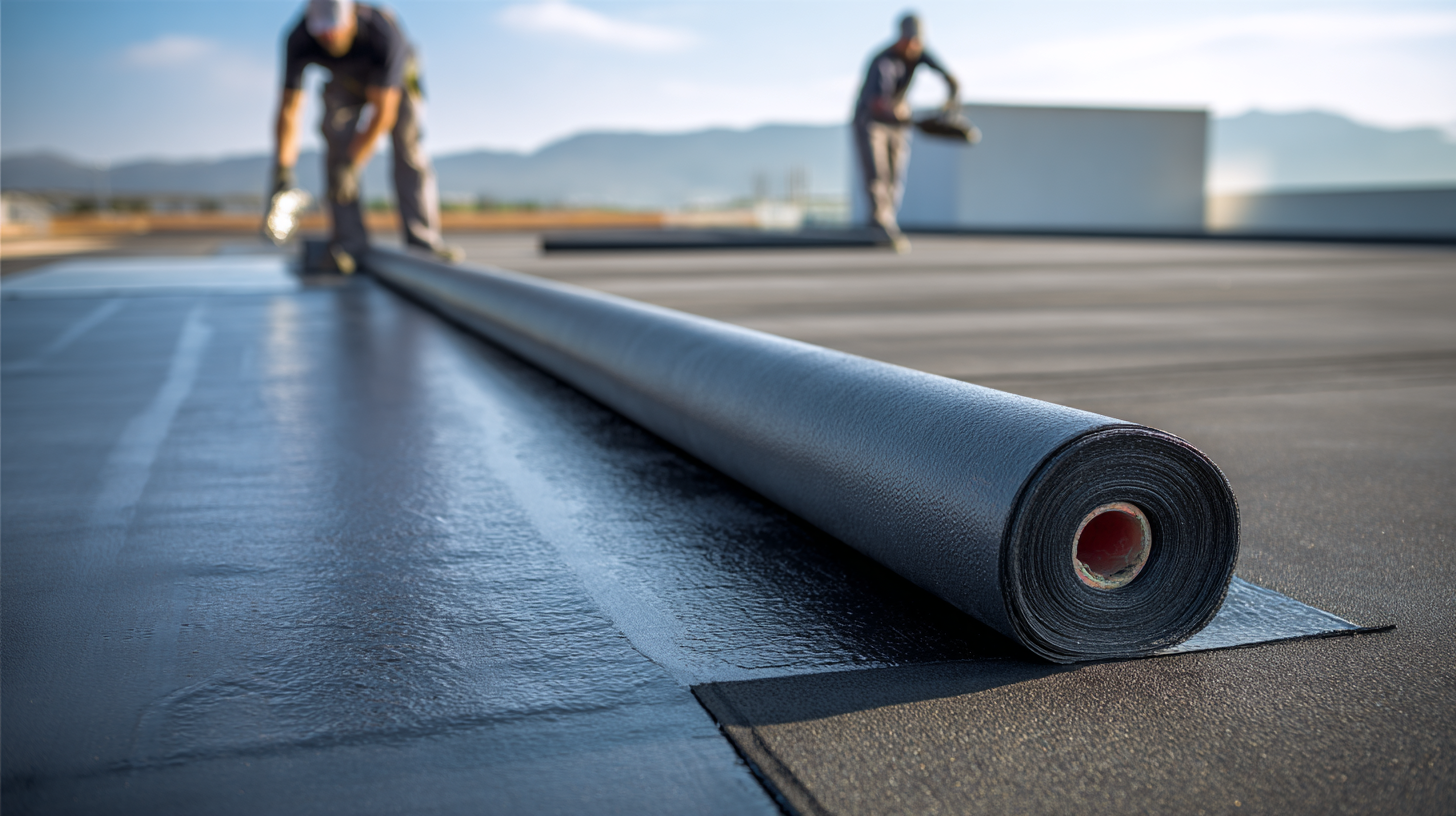
EPDM is installed using one of three methods: fully adhered, mechanically fastened, or ballasted. The correct method for a given project depends on the structural capacity of the roof deck, the building’s geometry, and the project budget.
Fully adhered installation bonds the membrane to the insulation board or cover board across the entire roof surface using a water-based or solvent-based contact adhesive. This method creates a smooth, tight membrane profile that is ideal for roofs with complex geometry, multiple penetrations, or high wind uplift requirements. Fully adhered systems are the standard choice for roof replacement projects where a low-profile installation is required. The method requires the most labor of the three options and is sensitive to temperature – adhesive application below 40°F is not recommended without cold-weather formulations.
Mechanically fastened installation secures the membrane to the roof deck using screws and metal plates installed along the seam lines between membrane rolls. The membrane is not adhered across its full surface – it is held in place by the fasteners at the overlapping edges. This method is faster and less expensive than fully adhered and is the most common installation approach for large commercial roof areas with straightforward geometry. The membrane is allowed to move slightly between fastener lines, which accommodates thermal expansion without stress concentration.
Ballasted installation lays the membrane loosely over the insulation and holds it in place with a layer of smooth, river-washed stone or concrete pavers. The ballast load – a minimum of 10 to 12 pounds per square foot – provides the wind uplift resistance instead of adhesive or fasteners. This is the fastest and least expensive installation method. It is applicable only on roof decks with sufficient structural capacity to support the added dead load, and it is not suitable for steep or high-wind-exposure applications.
Regardless of installation method, seam quality is the single most important factor in EPDM system performance. Adhesive-bonded EPDM seams are inherently less reliable than heat-welded TPO or PVC seams because the bond strength depends on surface preparation, adhesive coverage, and application conditions. A poorly bonded EPDM seam can begin separating within 5 to 10 years. A correctly bonded seam on a properly maintained roof will hold for the full service life of the membrane.
A correctly installed EPDM roof lasts 25 to 30 years or more. This figure is based on field data from actual roofs inspected and tested after decades of service – not on laboratory projections. EPDM has been in commercial use since the 1960s, and documented long-term performance data exists for roofs installed in the 1970s and 1980s that are still in service.
Four factors determine where a specific installation falls within the 25-to-30-year range. Membrane thickness affects resistance to mechanical damage and thermal fatigue. Seam quality determines whether the system remains watertight through temperature cycles and weather events. Climate affects how frequently the membrane expands and contracts. Foot traffic from HVAC maintenance and other rooftop activity introduces puncture risk that accelerates membrane wear at high-traffic zones.
A 90-mil membrane outlasts a 45-mil membrane in conditions involving frequent foot traffic or climates with extreme temperature swings. The thicker membrane resists punctures from dropped tools, gravel, and foot pressure without immediate failure. In a climate like New Jersey or Pennsylvania – with temperature ranges spanning more than 100°F between winter lows and summer highs – a 90-mil membrane is the appropriate specification for roofs with any regular access.
EPDM requires replacement rather than repair when more than 25% of the underlying insulation has become saturated with moisture. At that saturation level, the insulation has lost its thermal value and the wet material continues to deteriorate the roof deck below. Re-sealing or patching the membrane surface does not restore performance when the insulation failure is widespread. A second condition requiring full replacement is a pattern of seam separation around the full perimeter of the roof – indicating that the original adhesive bond has failed systematically rather than at isolated points.
EPDM is used primarily on flat and low-slope roofs of commercial buildings – warehouses, distribution centers, retail stores, office buildings, and medical facilities. It is also installed on residential properties on flat additions, detached garages, and low-slope roof sections where the pitch falls below a 2:12 slope.
EPDM has become the standard membrane for large commercial roof areas for three reasons: its material cost per square foot is lower than TPO or PVC at equivalent thickness; it requires no specialized heat-welding equipment, which reduces installation overhead on large projects; and its maintenance requirements are minimal between the periodic seam inspections that any flat roof system requires.
On residential properties, EPDM is appropriate for roof sections with a minimum slope of ¼ inch per foot. Below this slope, water does not drain adequately, and standing water degrades the adhesive bonds at seams faster than weathering alone would. Local building codes in New Jersey and Pennsylvania municipalities may impose additional requirements for single-ply membrane use on residential structures – compliance depends on the specific jurisdiction and the scope of the project.
American Quality Remodeling installs EPDM roofing systems on commercial and residential properties across New Jersey and Pennsylvania. For flat or low-slope roofs requiring a new membrane installation or replacement of a failing system, contact our team for a free on-site evaluation and estimate.


Embark On Your Build With Us!
we will be in touch with you soon
