
6 min read
Jun 23, 2026
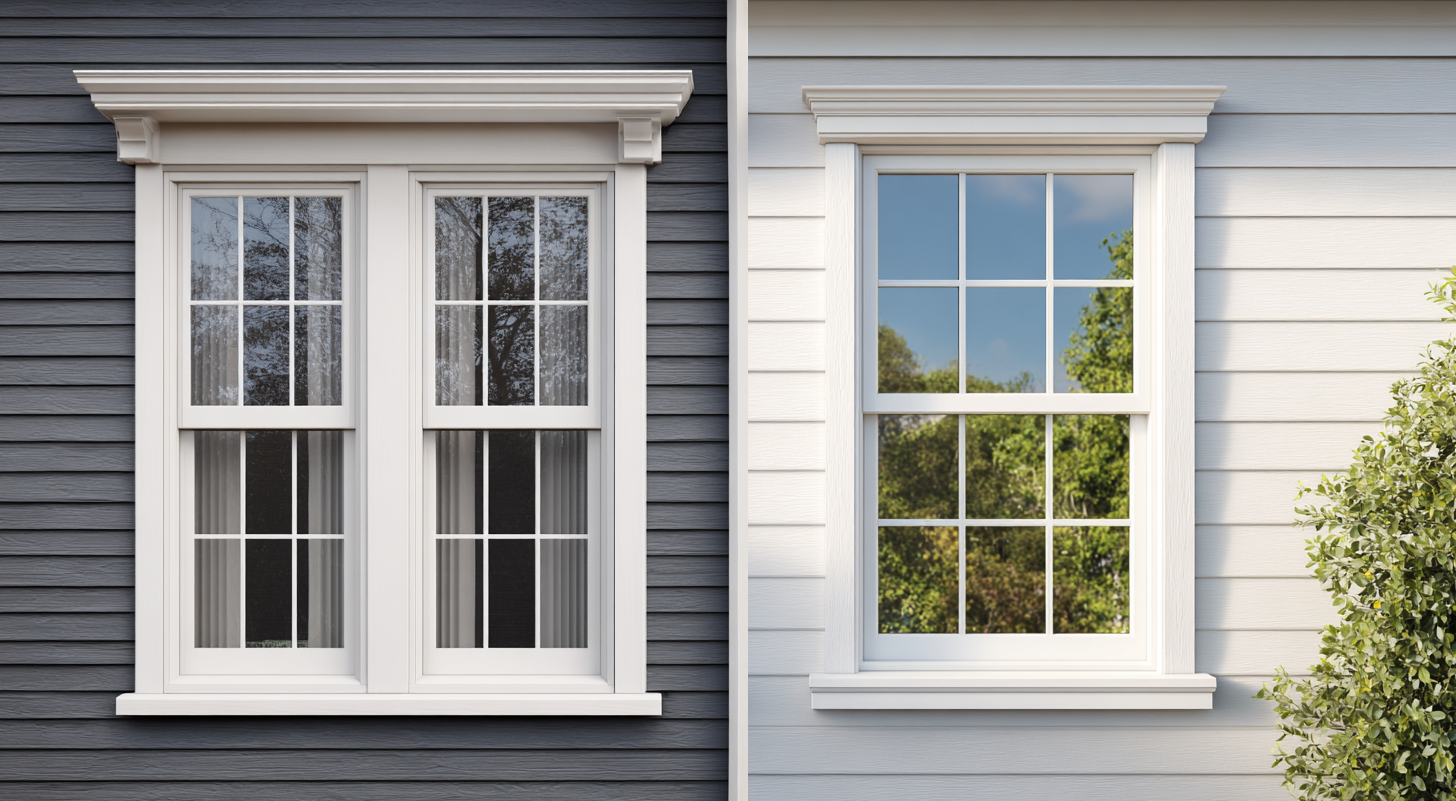
Single-hung windows have one operable sash – the bottom slides up while the top stays fixed. Double-hung windows have two operable sashes that both slide independently. That single structural difference drives every other comparison point between the two.
Double-hung windows typically cost 10-25% more than equivalent single-hung windows in the same material and series. They offer better ventilation control and easier cleaning on upper floors. Single-hung windows are slightly more energy-efficient, cheaper, and have fewer moving parts to service over time. Both types reach 20-30 years of service life when properly installed and maintained.
The table below summarizes the practical differences between the two window types at a glance, before the detailed sections that follow.
|
Feature |
Single-Hung |
Double-Hung |
|
Operable sashes |
1 (bottom only) |
2 (top + bottom) |
|
Ventilation control |
Bottom only |
Top, bottom, or both |
|
Cleaning access (upper floors) |
Exterior access required |
Tilt-in from inside |
|
Installed cost (per window) |
$150-$400 |
$200-$500 |
|
Energy efficiency |
Slightly higher (fewer air paths) |
Slightly lower |
|
Moving parts |
Fewer |
More |
|
Typical lifespan |
20-30 years |
20-30 years |
|
Best for |
Ground-floor, budget replacements |
Upper floors, ventilation-sensitive rooms |
The short version: double-hung gives you more functionality for a modest cost premium. Single-hung wins when the upper sash doesn’t add real value for the room – like a kitchen window over the sink or a ground-floor living room – and budget is a priority.
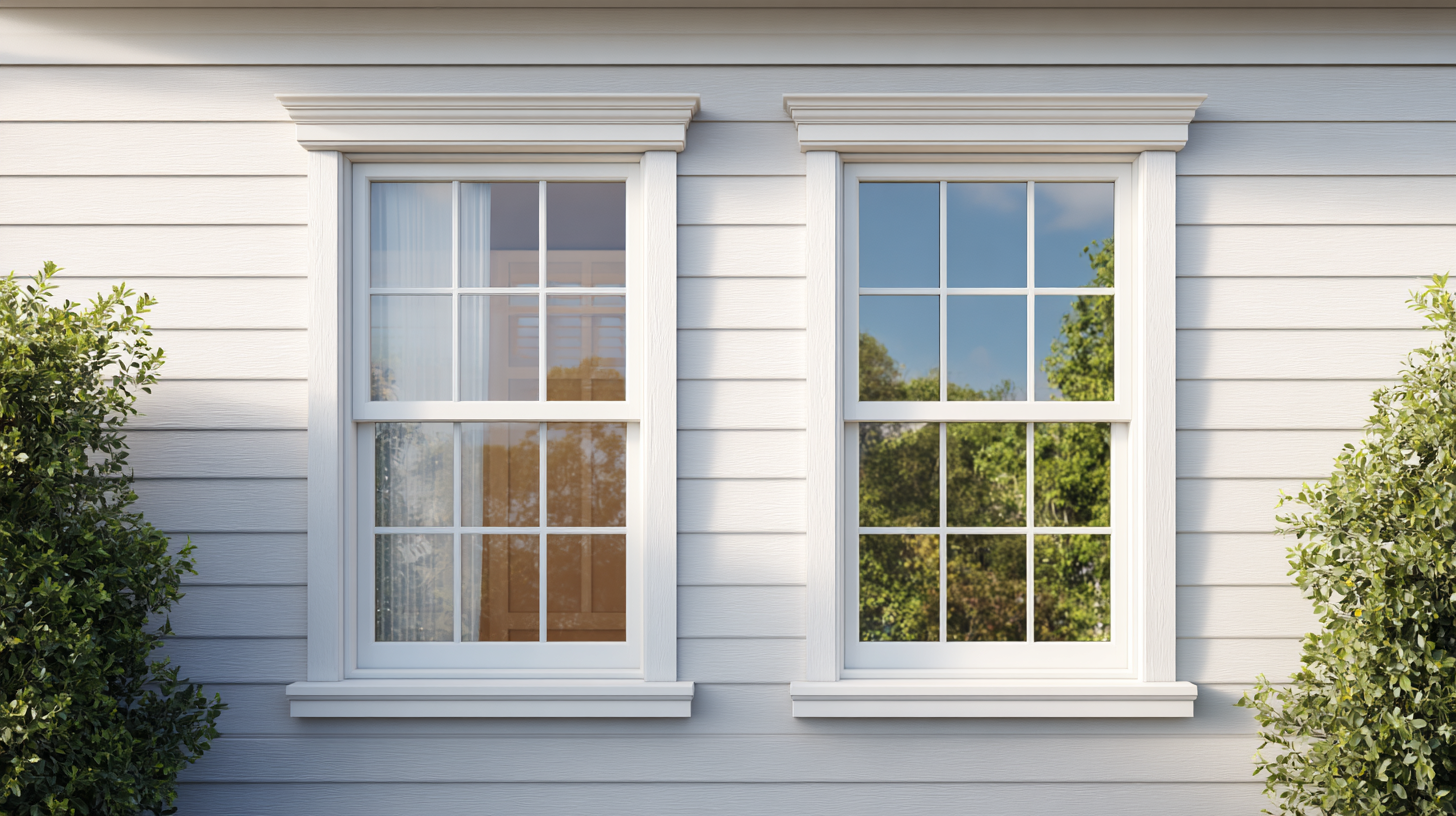
A single-hung window has two sashes stacked vertically: a fixed upper sash that doesn’t move, and an operable lower sash that slides up to open. All ventilation comes through the bottom opening.
Mechanically, the lower sash rides in vertical tracks inside the frame, supported by a balance system – typically a spring or block-and-tackle mechanism – that holds it in position at any height. The upper sash is sealed in place permanently.
The anatomy of a single-hung window is straightforward: frame, fixed top sash, operable bottom sash, sash lock, and weatherstripping along the meeting rail where the two sashes overlap. Some modern single-hung windows add a tilt-latch on the bottom sash to swing it inward for easier interior cleaning, but this is not universal across all manufacturers or materials.
Single-hung windows are also called single-sash windows. The term “hung” refers to how many sashes are hung to operate – not to the number of glass panes or layers.
This window type is a classic choice for craftsman, bungalow, Cape Cod, and many traditional American home styles where architectural authenticity matters. Single-hung windows are available in every common frame material: vinyl, wood, fiberglass, and aluminum.
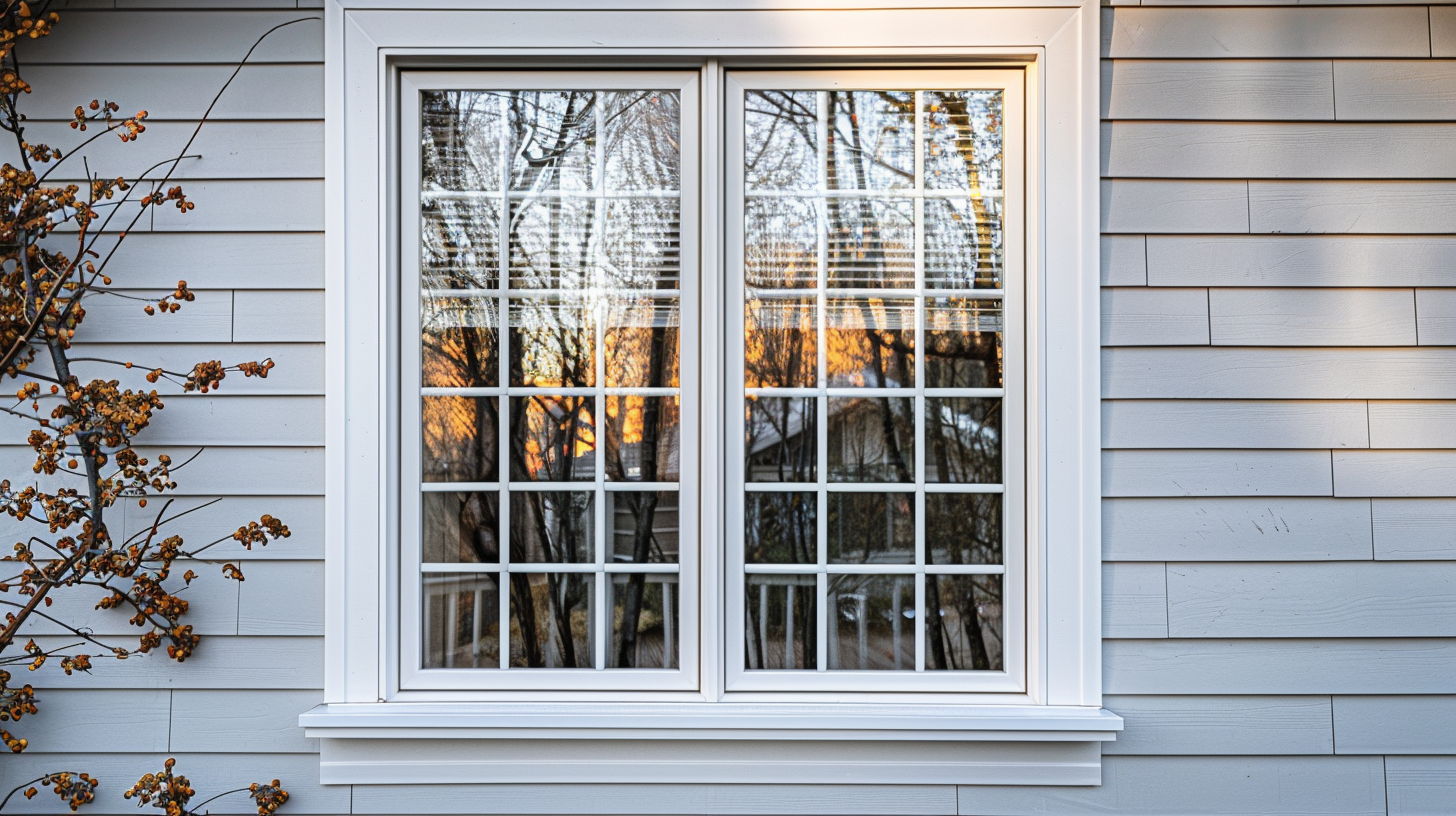
A double-hung window has two operable sashes that both slide vertically within the frame. The top sash can be lowered from the top of the opening, the bottom sash can be raised from the bottom, or both can be opened simultaneously.
Mechanically, each sash is independently supported by its own balance system – spring balances, block-and-tackle, or traditional sash cords and weights in older construction. Both sashes typically include tilt-latches that allow the sash to pivot inward for cleaning from inside the home.
The anatomy includes a frame, two operable sashes, two balance systems, tilt-latches on both sashes, and weatherstripping at three meeting points (head, sill, and the central meeting rail where the sashes overlap). The extra meeting rail is one of the structural differences from a single-hung.
Double-hung windows are also called double-sash windows. Like single-hung, the name refers to operable sash count, not glass layers.
Double-hung is the standard window type for colonial, Victorian, Federal, and most other traditional American home styles. Opening both sashes creates a thermal convection effect: warm air rises and escapes through the top, while cooler outside air enters through the bottom – a passive ventilation advantage that single-hung windows can’t replicate. You can explore the full range of common configurations in our guide to the four main types of windows.
Six practical differences separate the two window types: sash operation, cleaning access, cost, energy efficiency, available sizing, and long-term durability. Each affects a different aspect of ownership, and the right choice depends on which differences matter most for the specific room or home.
Single-hung windows open only from the bottom. Double-hung windows give you three ventilation modes: top only, bottom only, or both open at once.
The top-only option matters most for two reasons. First, it allows ventilation while keeping the bottom of the window closed – useful in homes with young children or pets, where an open lower sash creates a safety concern. Second, opening just the top sash lets rising warm air escape without creating a direct draft across the room, which is often preferable in bedrooms and living spaces.
Opening both sashes at once creates a natural thermal convection loop: warm air out the top, cool air in the bottom. This is the single most effective ventilation pattern available from any vertically-sliding window.
Single-hung windows require exterior access to clean the top sash. On a ground-floor window, that’s a minor inconvenience. On a second- or third-floor window, it means a ladder, an extension squeegee, or paying a window-cleaning service – repeatedly, because glass needs cleaning several times a year.
Double-hung windows have tilt-latches on both sashes. Both the top and bottom can be tilted inward from inside the home, letting you wash the exterior glass while standing in the room. Over a 20-30 year ownership period, this one feature often justifies the cost difference by itself on upper-floor windows.
For a detailed walkthrough of how to clean both sashes properly, see our guide on cleaning double-hung windows.
Single-hung windows typically cost 10-25% less than equivalent double-hung windows in the same manufacturer’s series and the same frame material. The difference comes from fewer moving parts: one balance system instead of two, one set of tilt-latches (or none), and less precision required at the meeting rail.
Frame material affects total cost far more than sash type. Vinyl is the least expensive option in both single-hung and double-hung. Fiberglass sits in the middle. Wood is typically the most expensive. The gap between a vinyl single-hung and a wood double-hung is substantially larger than the gap between a single-hung and a double-hung of the same material.
For a whole-home replacement, the cost difference adds up. On a 15-window project, choosing single-hung everywhere instead of double-hung can save several thousand dollars, which is why many homeowners use a mixed approach, reserving double-hung for upper floors and using single-hung elsewhere.
Single-hung windows are marginally more energy-efficient than double-hung when all other factors are equal. The reason is simple: fewer operable joints mean fewer paths for air infiltration.
In real terms, the efficiency difference between comparable single-hung and double-hung windows is usually 5-10% in U-factor. That’s a real gap but a small one compared to the impact of frame material, glass package, low-E coatings, and gas fills between panes – any of which can change efficiency numbers by a much larger margin.
For most homeowners, sash type should not be the primary driver of an energy-efficiency decision. Glass package and frame material matter substantially more. Single-hung is a tiebreaker consideration, not a deciding factor.
Double-hung windows are available in larger sizes than most single-hung lines. Many manufacturers offer double-hung windows up to 6 feet wide by 12 feet tall, while single-hung typically tops out in the small-to-medium range.
For standard-sized openings – the majority of residential windows – both types are readily available. Mulled configurations (multiple windows joined as a single unit) are also available in both single-hung and double-hung, which allows larger total openings without oversizing individual units.
The size difference becomes relevant when specifying tall windows in living rooms, stairwells, or great rooms, where double-hung may be the only vertically-sliding option that fits the intended proportions.
Double-hung windows have roughly twice as many moving parts as single-hung: two balance systems instead of one, tilt-latches on both sashes, and two sets of weatherstripping contact points. This doesn’t meaningfully shorten overall lifespan – both types reach 20-30 years with proper installation and care – but it creates more potential service points as the windows age.
After 15-20 years, balance mechanisms are the most common wear item in any hung window. A double-hung has two to service; a single-hung has one. For homeowners who plan to stay in the home long-term, this is worth noting, though the balance system replacement itself is a routine repair, not a window replacement trigger.
Neither window type is universally better. The right choice depends on the room, the floor level, the budget, and the home’s architectural style. The recommendations below cover the most common scenarios.
For upper-floor bedrooms and bathrooms: double-hung. The cleaning access from inside the home justifies the cost difference by itself over a long ownership horizon.
For ground-floor living spaces: either works. Single-hung saves money without sacrificing meaningful functionality – the top-sash access that single-hung gives up isn’t hard to reach from outside on the first floor.
For kitchens over the sink: single-hung is usually the better choice. The top sash is hard to reach across the counter, so an operable top doesn’t add usable function, and the cost savings are real.
For historic or craftsman homes: single-hung often matches the original architectural intent better. Craftsman and bungalow styles are strongly associated with single-sash proportions.
For colonial, Victorian, or traditional homes: double-hung is the architecturally expected choice. Most homes in these styles were built with double-hung windows, and keeping the same type preserves proportion and historical consistency.
For homes with young children: double-hung. Opening only the top sash provides ventilation without creating a fall hazard at the bottom of the window.
For rooms that need maximum airflow: double-hung. The top-and-bottom thermal convection effect moves more air through the room than any single-opening window can.
For budget-driven full-home replacements: a mixed approach often makes the most sense – double-hung on upper-floor windows where cleaning access matters, single-hung elsewhere. This captures most of the practical benefit of double-hung while keeping total project cost in check.
If you’re weighing these choices for a replacement project in NJ or PA, AQR handles window replacement and installation in both single-hung and double-hung configurations, including mixed-type whole-home replacements.


Embark On Your Build With Us!
we will be in touch with you soon
