
6 min read
Jun 23, 2026
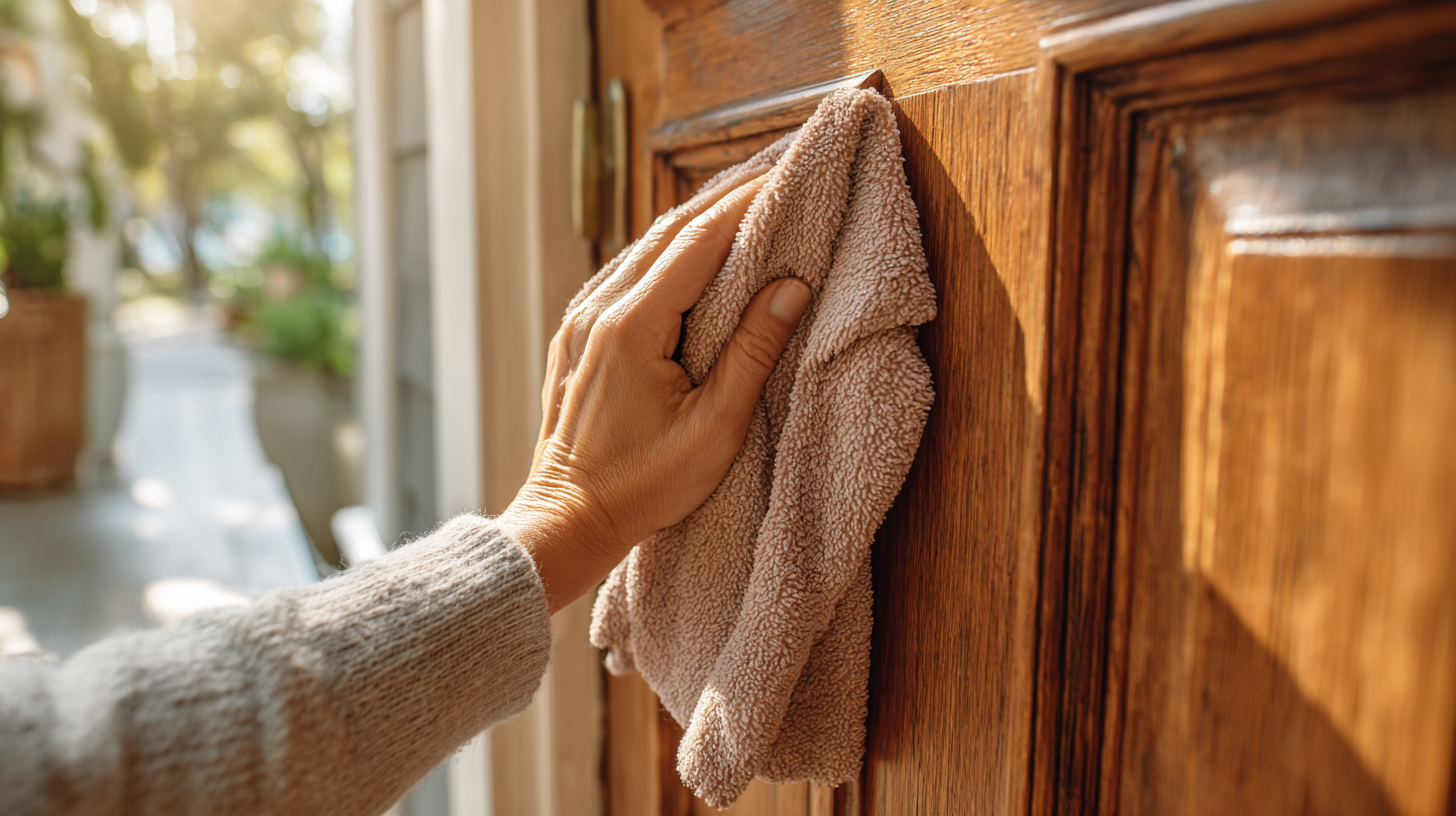
To clean wooden doors with home remedies safely, start by identifying the door`s finish. A cleaner that works well on a sealed or painted door can damage oiled, waxed, or worn wood. Once you know the finish, use a mild solution, clean with the grain, avoid soaking the surface, and dry the door right away.
Most wooden doors can be cleaned with simple household ingredients like mild dish soap, warm water, white vinegar, baking soda, or a small amount of oil-based polish. The key is to use the right remedy for the right type of dirt.
Before cleaning, check whether the door is painted, varnished, stained, oiled, or waxed. If you are not sure, test the cleaner on a hidden edge first. The wrong home remedy can dull the finish, leave streaks, or let moisture absorb into the wood.
|
Door finish |
Safe home remedies |
What to avoid |
|
Painted wood |
Mild dish soap and warm water; damp microfiber cloth |
Abrasive pads, strong vinegar, harsh scrubbing |
|
Varnished wood |
Barely damp cloth with mild soap; quick wipe with clean water |
Excess water, baking soda scrubbing, ammonia, rough sponges |
|
Stained and sealed wood |
Mild soap for general cleaning; diluted vinegar for light grease |
Soaking the surface, strong cleaners, leaving vinegar on the door |
|
Oiled wood |
Dry dusting; very lightly damp cloth; compatible wood oil if needed |
Vinegar, baking soda, dish soap buildup, too much water |
|
Waxed wood |
Dry dusting; gentle buffing; compatible wood wax |
Water-heavy cleaners, vinegar, baking soda paste, degreasers |
If the finish looks cracked, peeling, sticky, or cloudy, clean very carefully. The wood may need refinishing instead of deeper scrubbing.
Use these home remedies based on the type of dirt you need to remove. Apply any solution to a cloth first, not directly to the door.
This is the best starting remedy for most wooden doors.
Mix:
Use it for:
Wipe with a damp microfiber cloth, then remove soap residue with a clean damp cloth. Dry the door immediately.
Use vinegar and water for light grease or mild buildup on sealed wood.
Mix:
Use it for:
Do not use vinegar on oiled, waxed, raw, damaged, or unsealed wood. For varnished wood doors, test first and wipe dry quickly.
Use baking soda paste only for small, stubborn spots. It is mildly abrasive, so do not scrub the whole door with it.
Mix:
Use it for:
Rub gently with a soft cloth, wipe clean with a damp cloth, and dry the area right away.
Use this as a light polish for sealed wood that looks dull after cleaning.
Mix:
Apply a very small amount with a soft cloth and buff well until the surface does not feel oily.
Use it for:
Avoid using this mixture on painted, waxed, raw, or heavily weathered exterior doors.
Lemon can help with light odor or residue, but it is acidic, so use it carefully. For most doors, a damp microfiber cloth or mild soap solution is safer.
Use lemon only on sealed surfaces and always test first.
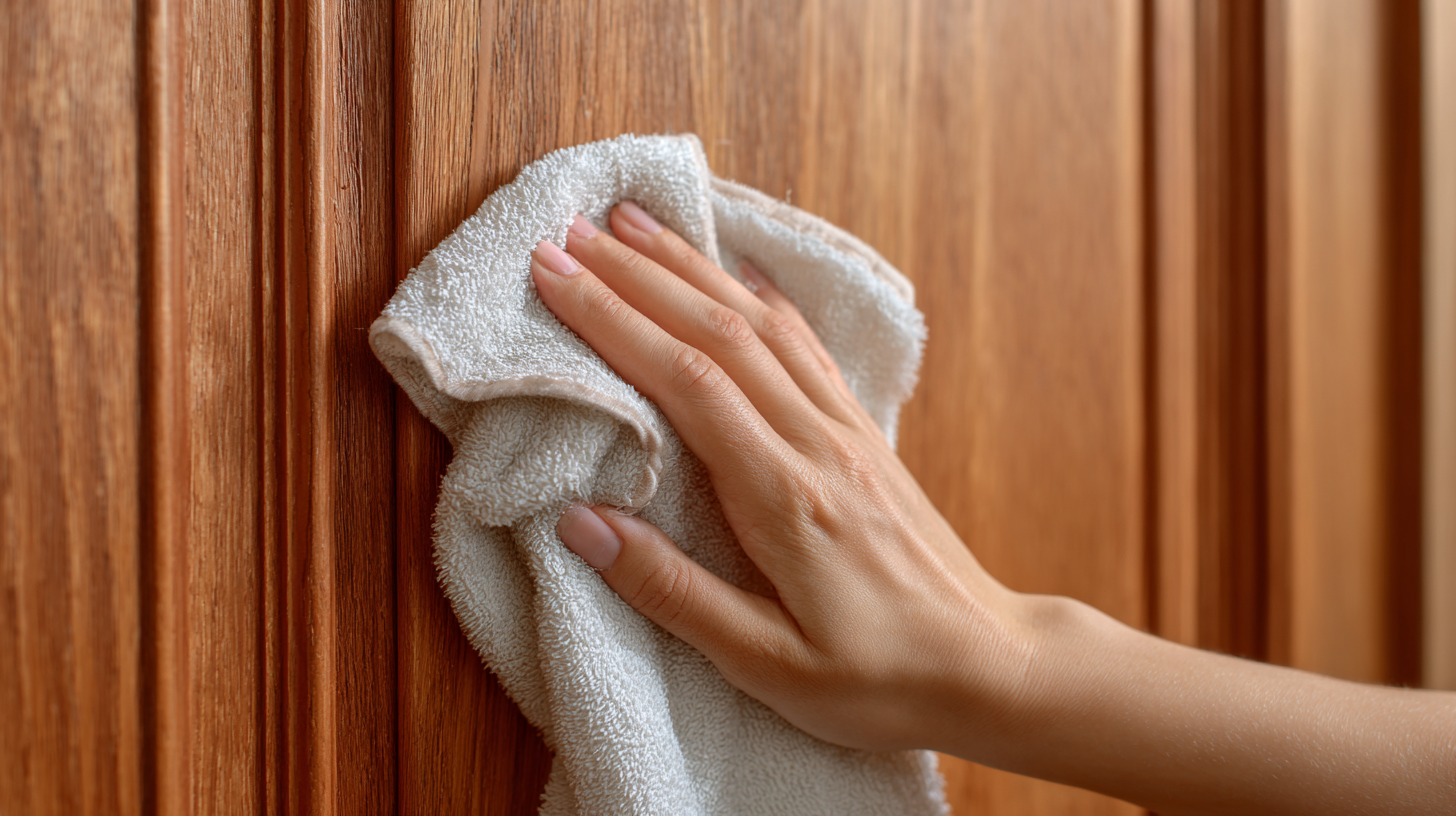
The safest method is to dust first, wash lightly, remove residue, dry the surface, and polish only if the finish allows it.
Wipe the door with a dry microfiber cloth or use a vacuum with a soft brush attachment. Clean the top edge, panels, grooves, and the area around the handle.
Dusting first prevents dirt from turning into muddy streaks when you start washing.
Choose the mildest remedy that fits the door`s finish. For most doors, start with mild dish soap and warm water.
Wipe with the grain of the wood. Use a soft cloth and avoid soaking the surface. For detailed panels or grooves, use a soft toothbrush or a cloth wrapped around your finger.
Wipe the door again with a clean cloth dampened with plain water. This removes soap, vinegar, or baking soda residue.
Use as little water as possible, especially on varnished, stained, or older wooden doors.
Dry the door with a clean towel or microfiber cloth. Do not let moisture sit on the wood, especially near the bottom edge, panels, or hardware.
This step is important for both internal wooden doors and exterior wood front doors.
If the door looks dull and the finish is sealed, you can lightly polish it. Use only a small amount and buff the surface dry.
Do not polish painted doors, waxed doors, or doors with damaged finish unless you know the product matches the surface.
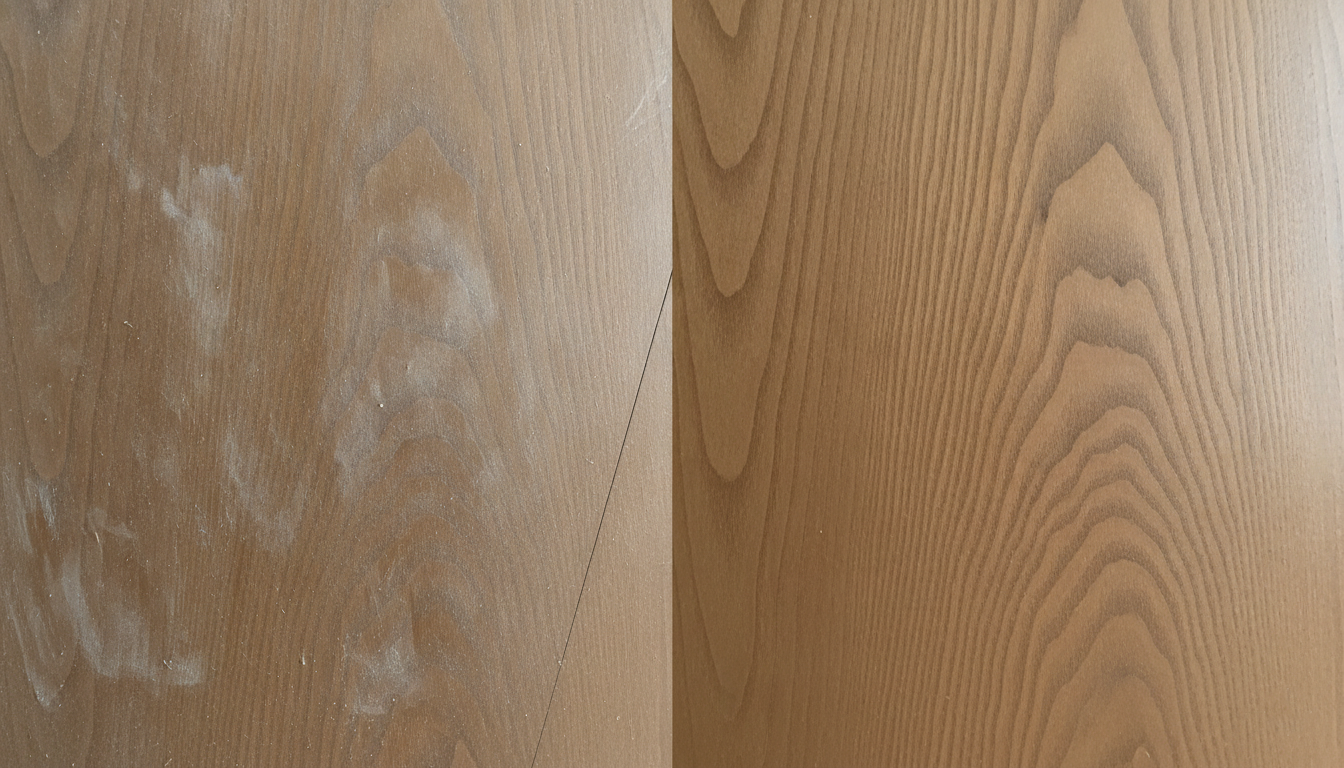
Different stains need different cleaning methods. Start with the mildest option, then move to a stronger remedy only if needed.
Use mild dish soap and warm water. Wipe around handles and edges, then dry the area.
Start with dish soap and warm water. If grease remains, use a small amount of baking soda paste on the spot, then wipe clean and dry.
Try a damp microfiber cloth first. If the mark remains, use a baking soda paste very gently. Avoid rough sponges.
Dry the area first. For a light mark on sealed wood, try a small amount of baking soda paste. If the stain is dark or deep, it may be under the finish and may need refinishing.
For sealed exterior wooden doors, use vinegar and water. Wipe the area, rinse with a clean, damp cloth, and dry completely.
If mildew keeps coming back, check for moisture problems around the frame, threshold, or weatherstripping.
Use mild dish soap first. For sealed wood, vinegar and water can help loosen residue. Do not scrape with metal tools.
Some cleaners can damage the finish, discolor the surface, or push moisture into the wood. Bleach and ammonia are too harsh for most wooden doors and can weaken or dull the protective coating. Abrasive powders, steel wool, and rough scrubbing pads can also leave scratches, especially on painted, varnished, or stained surfaces.
Too much water is another common mistake. Wood should be cleaned with a damp cloth, not soaked. Steam cleaners and pressure washers should also be avoided because heat and forceful moisture can damage the finish, enter seams, or affect the shape of the door over time.
Strong degreasers are usually unnecessary for routine door cleaning and may strip or cloud the finish. Vinegar should also be avoided on oiled, waxed, raw, or damaged wood because it can break down the surface protection. The safest rule is simple: clean lightly, rinse lightly, and dry the door immediately.
Interior wooden doors usually need gentle cleaning for dust, fingerprints, and light marks. A mild soap solution is usually enough.
Exterior wooden doors need more attention because they collect pollen, moisture, mildew, dust, and outdoor residue. When cleaning a wooden front door, check the finish at the same time. If the coating is cracked, peeling, or worn, cleaning alone may not protect the wood.
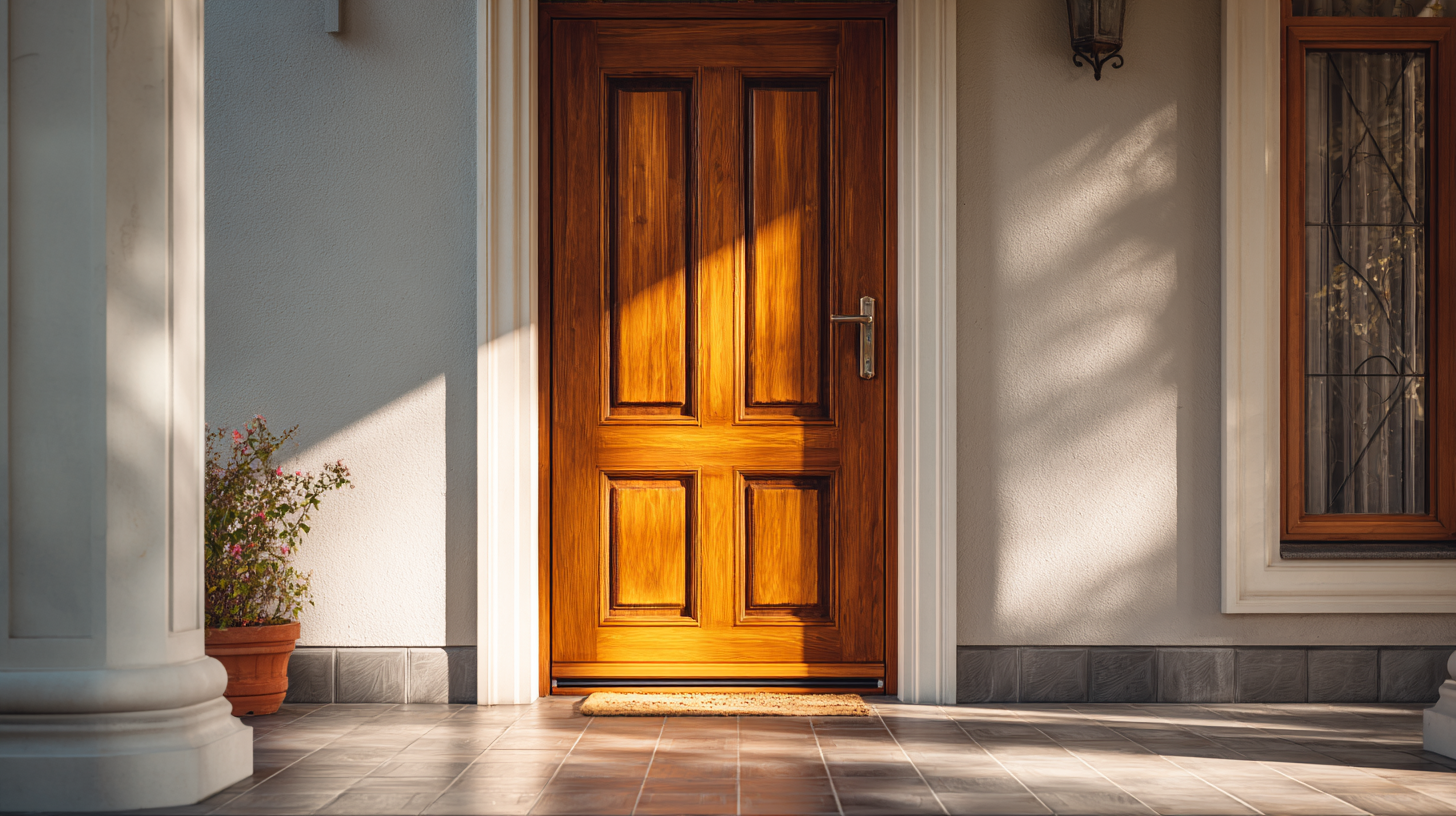
Cleaning is not enough when the damage goes beyond the surface. If the finish is peeling, the wood is stained, or the door is warped, refinishing or replacement may be needed.
Look for these signs:
If an exterior door no longer cleans up well or seals properly, homeowners in New Jersey and Pennsylvania can have American Quality Remodeling evaluate whether repair, refinishing, or replacement is the best option. Learn more on the company`s door services page.



Embark On Your Build With Us!
we will be in touch with you soon
