
7 min read
Jun 20, 2026
Triple pane windows cost $450 to $3,000 per window installed in 2026, with a national average of around $1,000 per window, including installation. The final price depends on the frame material, window type and size, glass upgrades, and installation complexity. This guide breaks down the cost by material, by window style, and for a whole-home project, then compares triple pane to double pane windows so you can decide whether the upgrade is worth it.
Triple pane windows typically cost between $400 and $3,000 per window installed, with an average of about $1,000. Priced by area, they run $25 to $40 per square foot, and the window unit itself accounts for about 70% to 75% of the total project cost.
At a glance:
The wide range reflects how much the frame material, window style, and glass options move the price, which the sections below break down.
The frame material is one of the biggest cost drivers and also determines insulation and maintenance. Wood and fiberglass frames cost more than cheaper vinyl and aluminum frames, but they offer different long-term tradeoffs. The ranges below are approximate installed costs per window and overlap with one another depending on size and region.
|
Frame Material |
Approx. Installed Cost (per window) |
Key Traits |
|
Aluminum |
$400-$1,200 |
Cheapest, low-maintenance, but the poorest insulator – best only in mild climates |
|
Vinyl |
$450-$1,500 |
Most popular; affordable, low-maintenance, insulates well |
|
Composite |
$700-$2,500 |
Durable and low-maintenance with strong insulation |
|
Wood |
$800-$2,800 |
Premium look and good insulation, but needs regular maintenance |
|
Fiberglass |
$900-$3,000 |
Most insulating and durable, lasting 50 years or more; strongest frame for heavy triple-pane glass |
Fiberglass is worth a special note: triple pane glass is 50-75% heavier than double-pane, so a strong frame matters for long-term hardware and seal performance.
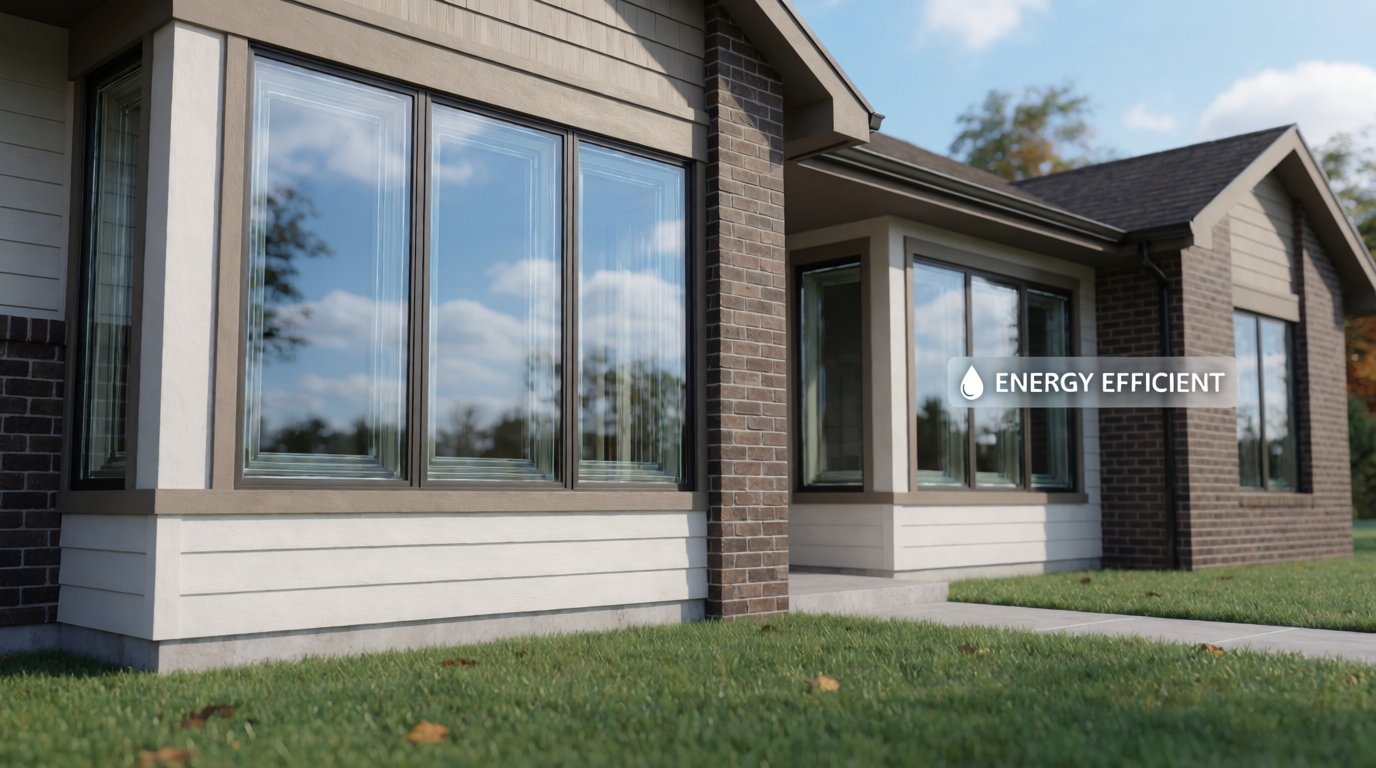
Window style affects price as much as material, because larger and more complex windows need more glass, hardware, and labor. The ranges below are approximate installed costs per window.
|
Window Type |
Approx. Installed Cost (per window) |
|
Single-hung |
$400-$1,100 |
|
Double-hung |
$450-$1,300 |
|
Sliding |
$500-$1,500 |
|
Awning |
$600-$1,500 |
|
Casement |
$600-$1,600 |
|
Picture |
$500-$1,800 |
|
Bay or bow |
$2,500-$9,600 |
Bay and bow windows sit far above the rest because they have four or more glass panels, making them the most expensive to buy and install. Standard double-hung and casement units are where most homeowners land.
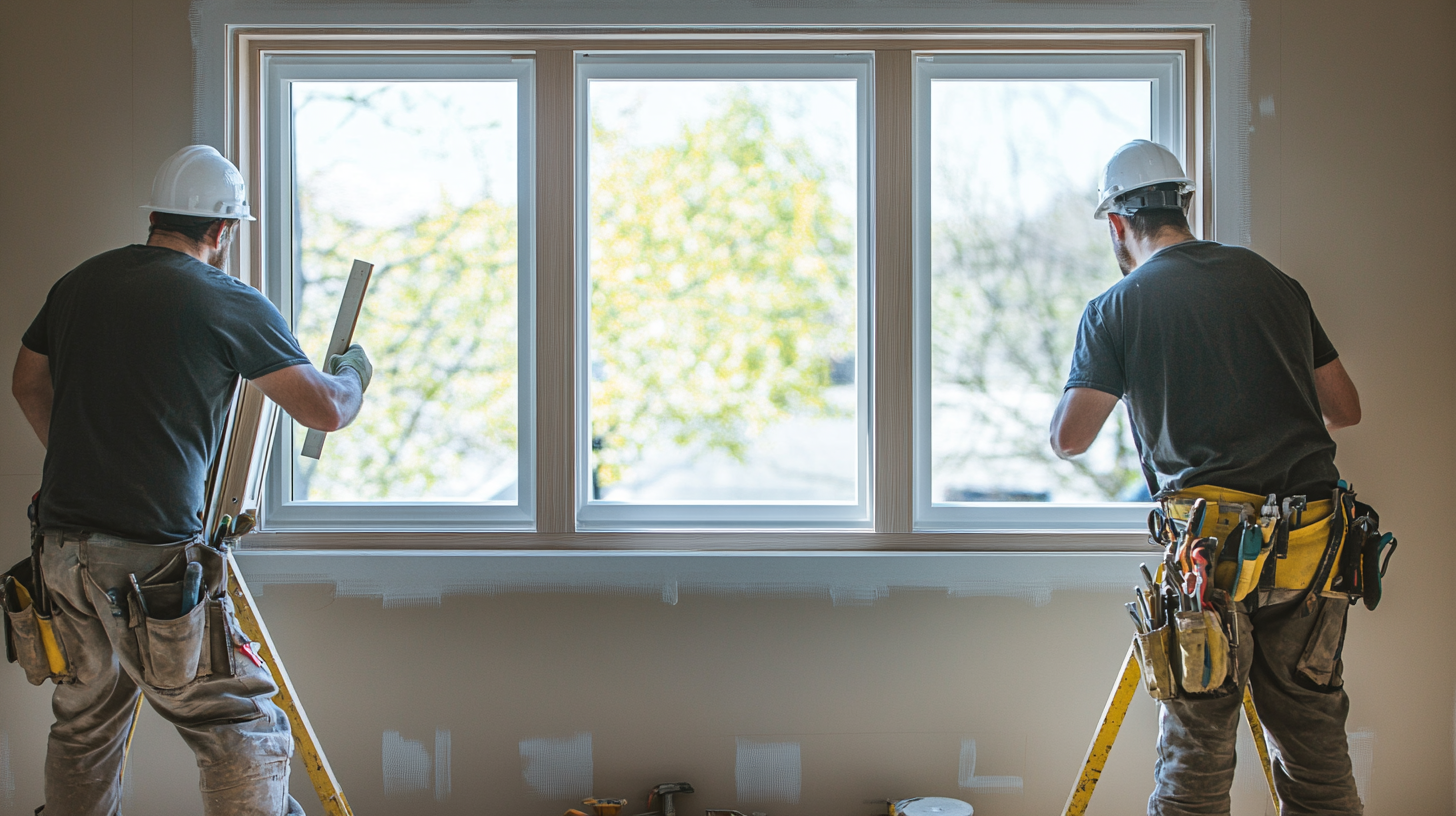
A triple pane window quote combines the window unit, the installation labor, and a few related costs. Understanding the split helps you compare quotes accurately.
The window unit is the bulk of the price at roughly 70% to 75% of the total. Installation labor adds $100 to $800 per window, more for upper floors or hard-to-reach openings, as upper-level installation can take up to an hour longer per window.
The installation method also matters. A retrofit (insert) replacement that reuses the existing frame runs less than a full-frame replacement, which removes the entire unit and frame, and is needed when there is rot or structural damage. Additional line items can include permits at $50 to $300 and trim painting.
For an accurate, itemized number, a professional window installation quote is the most reliable way to see how these pieces apply to your home.
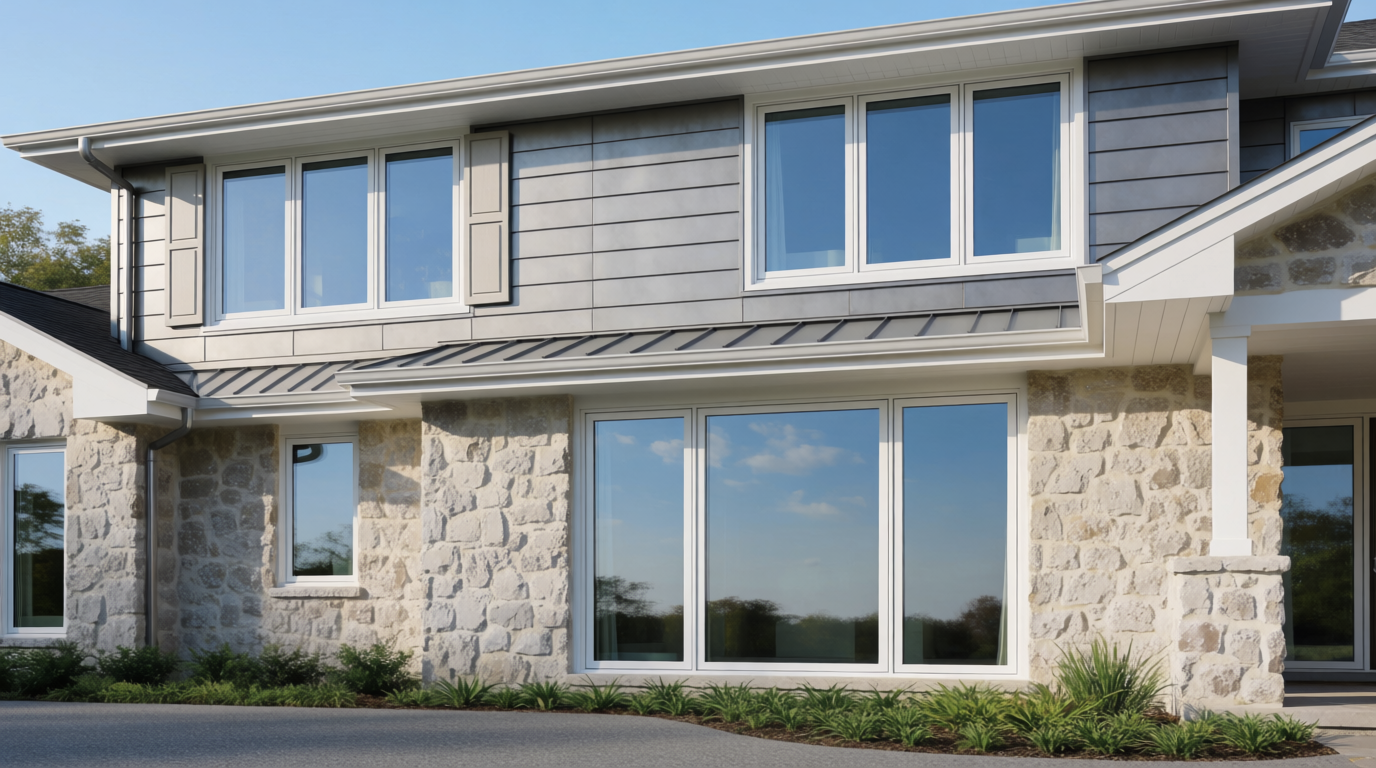
Replacing every window in a home is where costs add up, and the total depends mostly on the number, size, and style of windows. A typical whole-home triple pane project runs $5,000 to $25,000, with most 10-to-15-window homes landing in the $8,000 to $20,000 range.
|
Number of Windows |
Approx. Total Installed Cost |
|
5-6 windows |
$5,000-$10,000 |
|
8-10 windows |
$8,000-$15,000 |
|
12-15 windows |
$12,000-$20,000 |
|
18-20 windows |
$16,000-$30,000 |
The low end of each range assumes basic vinyl units; the high end reflects premium materials, larger windows, or specialty styles. Replacing all windows at once often earns bulk pricing. For region-specific numbers, see our breakdown of window replacement pricing in NJ and PA.
Several variables move the price within the overall range, and they are worth checking against any quote. The two biggest factors are window size and frame material: larger windows require more glass, stronger frames, and more labor, while frame choices range from budget aluminum and vinyl to premium wood, composite, and fiberglass.
Glass options come next. Argon, the standard insulating gas fill, adds about $30 to $50 per window, while denser krypton costs more and is reserved for high-performance builds. Low-E and other glass coatings improve efficiency and add roughly 15% to the cost.
Finally, the job itself shapes the price. Upper-story, oversized, or obstructed windows take more labor, and regional rates plus premium brands like Andersen, Pella, and Marvin push the total higher.
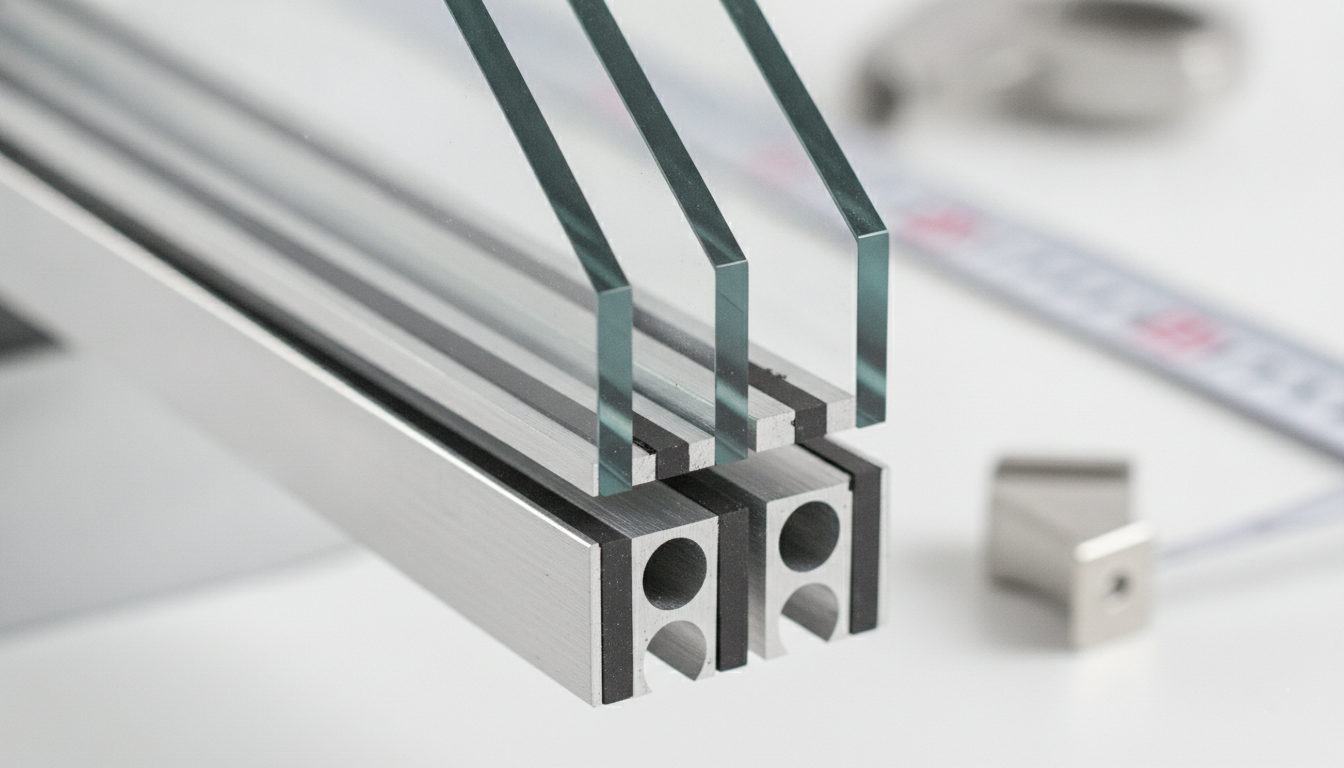
Triple pane windows cost more than double pane, but they deliver measurably better insulation. Double pane windows run $400 to $2,000 per window installed, while triple pane windows reach up to $3,000, with a higher average.
|
Feature |
Double Pane |
Triple Pane |
|
Glass panes |
2 |
3 |
|
Insulating gas chambers |
1 |
2 |
|
Cost per window (installed) |
$400-$2,000 |
$400-$3,000 |
|
Energy efficiency |
Good |
Up to ~50% better than double pane |
|
Noise reduction |
Moderate |
~20% more outside noise blocked |
|
Best for |
Mild climates, budget projects |
Cold climates, noisy areas, long-term owners |
The payback comes from energy savings, but the timeline is long: in cold climates, triple pane windows typically pay back through energy savings in about 10 to 14 years, while comfort and noise benefits start immediately. For homeowners in colder regions like New Jersey and Pennsylvania, where winters drive up heating bills, the upgrade is easier to justify; in mild climates or for short-term owners, double pane is often the better value.
Beyond energy, new windows also support resale value – see our look at whether new windows increase home value.
The biggest change for 2026 is that the main federal incentive is gone. The federal Energy Efficient Home Improvement Credit (Section 25C), which previously covered up to $600 (or 30% of product cost) for upgrading windows, expired on December 31, 2025. Windows installed in 2026 are no longer eligible for that credit.
That does not mean there are no savings available. Homeowners installing triple pane windows in 2026 should look to:
Incentive programs change frequently, so confirm what is currently available in your area before budgeting. This is general information, not tax advice – check with a tax professional or your state energy office for your specific situation.


Embark On Your Build With Us!
we will be in touch with you soon
