
6 min read
Jun 23, 2026
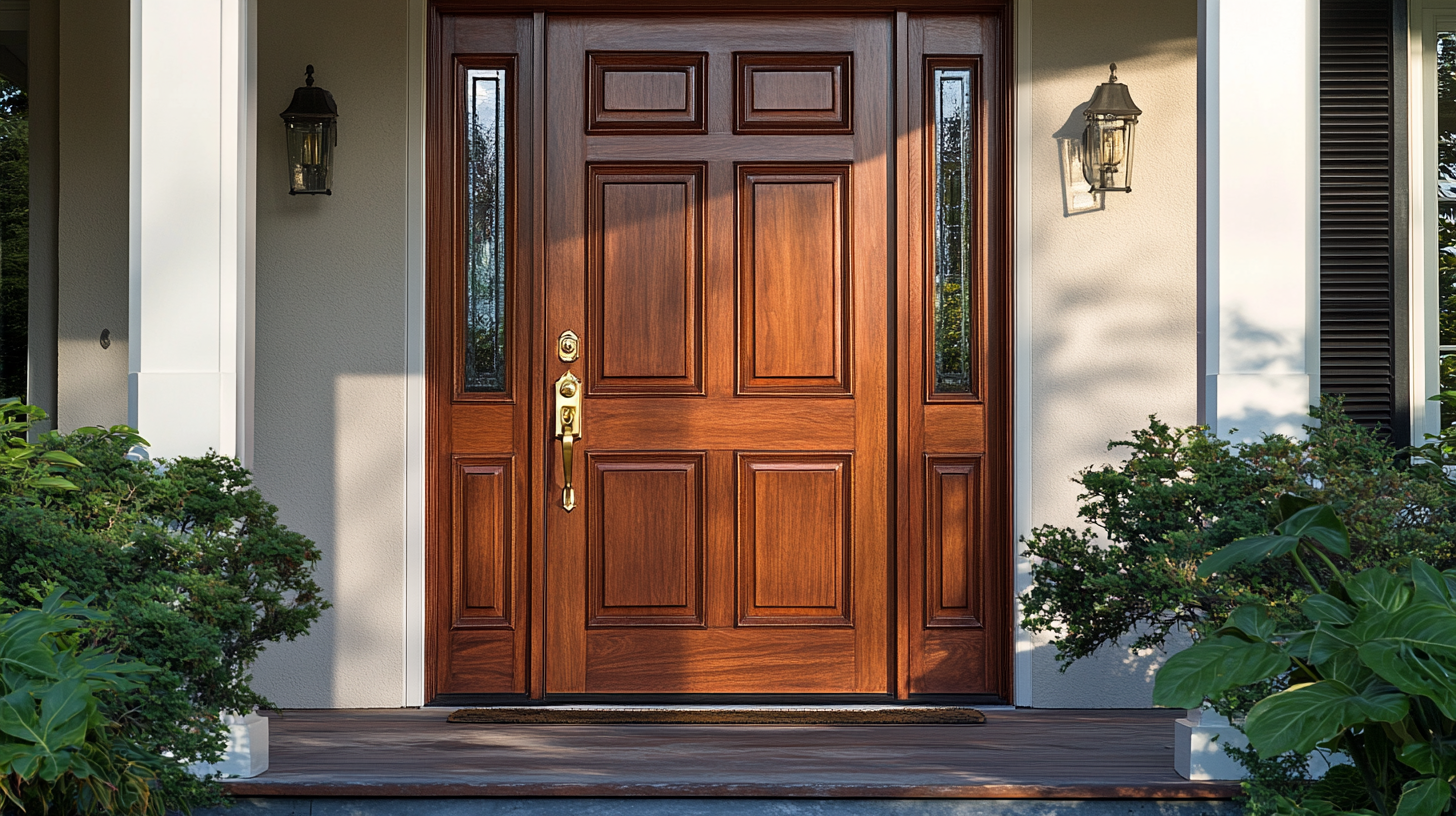
Wood door maintenance is the routine care that keeps a wooden door looking good and working properly: regular cleaning, protecting the finish, servicing the hardware, and managing moisture. Wood reacts to its environment, so without consistent upkeep, a door can warp, crack, fade, or stick. This guide covers the full maintenance system, from a weekly wipe-down to knowing when a door needs repair or replacement.
Wood is a natural material that expands, contracts, and absorbs moisture as conditions change. Left unprotected, it responds to sun, rain, and humidity by warping, splitting, or graying.
Regular maintenance protects the finish that shields the wood, keeps the door sealed against moisture, and catches small problems before they become structural. A well-maintained wood door can last for decades, while a neglected one can fail in a few years.
Exterior doors need the most attention because they face direct weather, but interior doors also benefit from routine cleaning and the occasional finish refresh.
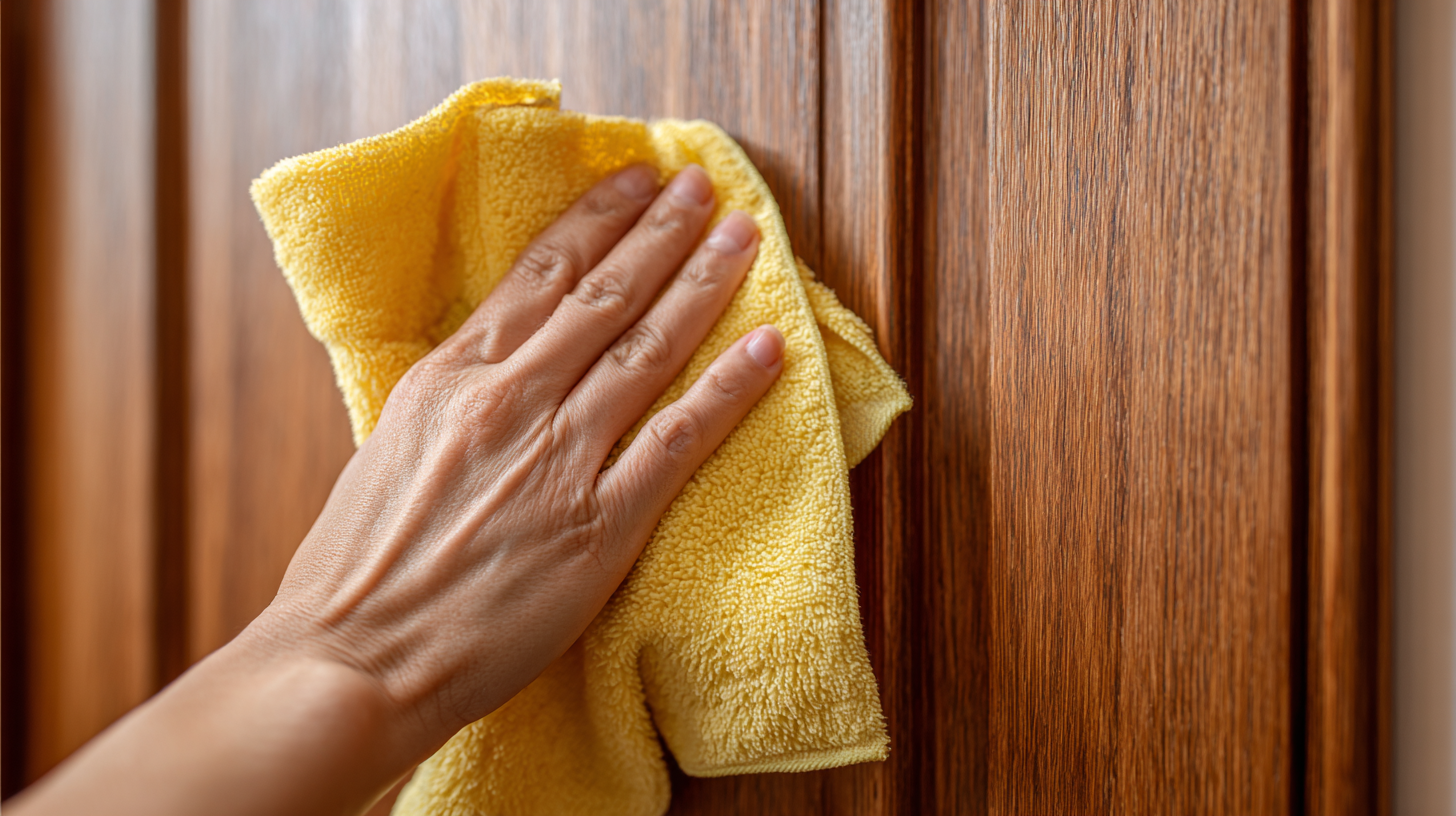
Routine cleaning is the foundation of wood door maintenance because dust and grime build up, dull the finish, and trap moisture against the wood. A light, regular cleaning does more good than an occasional deep scrub.
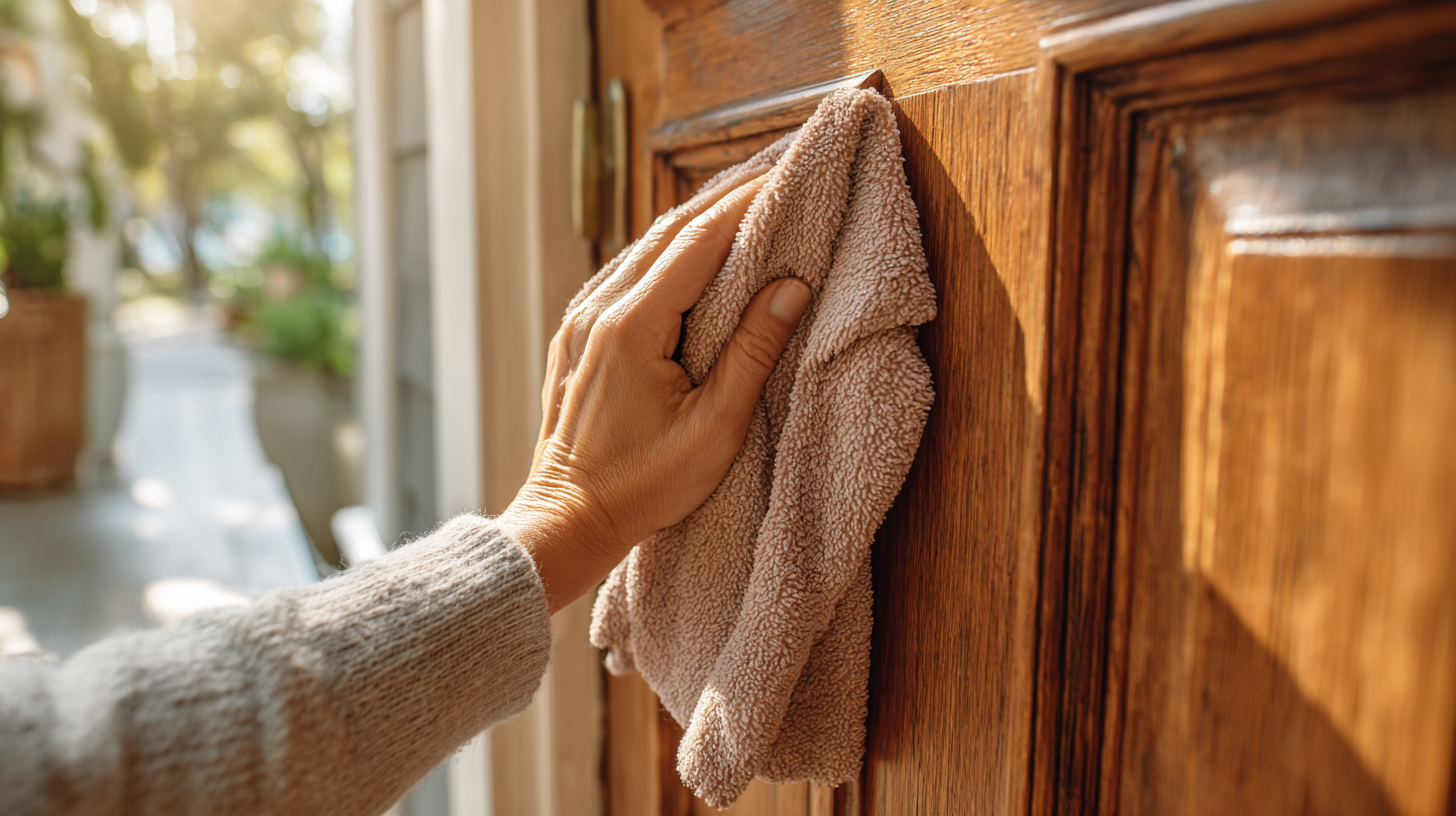
Dust the door with a soft, dry cloth, then wipe it with a cloth lightly dampened in warm water and a small amount of mild dish soap, working in the direction of the grain. Follow with a clean, damp cloth to remove residue, and dry the door thoroughly so no moisture sits on the surface.
Avoid abrasive pads, harsh chemicals, and soaking the wood, all of which damage the finish or raise the grain. For finish-specific methods and natural cleaning solutions, see our guide on how to clean wooden doors with home remedies [вставить URL].
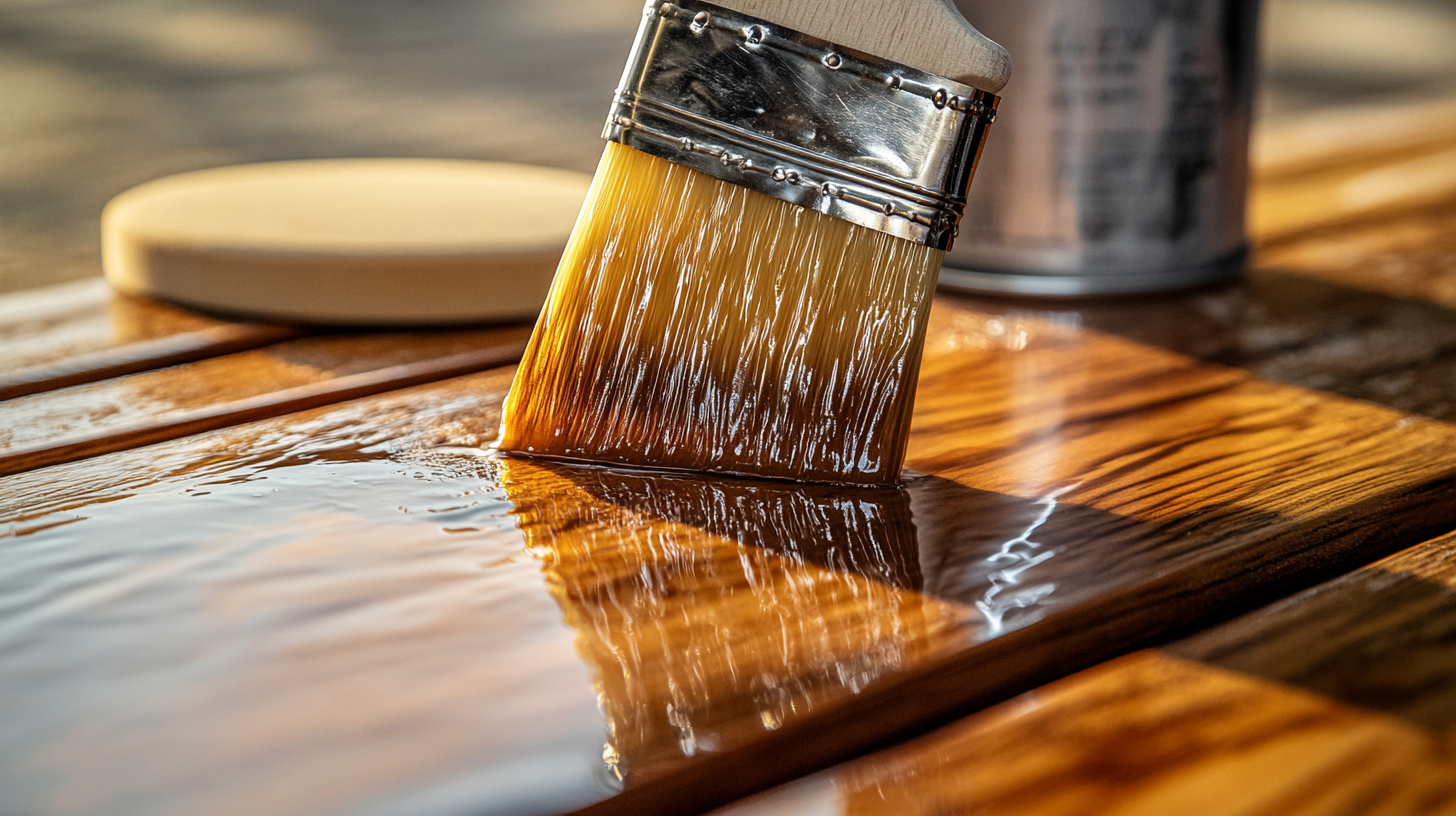
The finish is the door’s first line of defense, and renewing it is the single most important maintenance task for an exterior wood door. When the finish wears, the bare wood underneath is exposed to moisture and UV damage.
You can tell a finish is failing when water no longer beads on the surface, the color looks faded or gray, or fine cracks appear in the coating. An exterior door usually needs resealing every one to three years, sooner if it faces direct south or west sun; interior doors need it far less often.
To reseal, clean the door, let it dry fully, then lightly sand with fine-grit paper to help the new coat adhere. Wipe away all dust and apply thin, even coats of a finish that matches the original, whether that is an exterior-grade sealant, spar varnish, or penetrating oil, allowing each coat to cure before the next.
One commonly missed step is sealing the top and bottom edges of the door. These unfinished edges absorb moisture and are a leading cause of warping.
Wood door maintenance includes the hardware, not just the panel. Hinges, locks, weatherstripping, and the threshold all wear over time and affect how the door seals and operates.
Tighten loose hinge screws and lubricate the hinge pins with a dry or silicone lubricant to stop squeaks and keep the door swinging freely. A sagging door is often just loose hinges, which can pull the door out of alignment.
Lubricate locks and latches with a graphite or dry lubricant rather than oil, which attracts dirt and gums up the mechanism. Test that the latch lines up cleanly with the strike plate and adjust if it sticks or rattles.
Inspect the weatherstripping around an exterior door for cracks, gaps, or flattened sections, and replace it when it no longer seals. Worn weatherstripping lets in drafts and moisture, which speeds up wood damage.
Check the door sweep and threshold for wear, and adjust or replace them to keep water and air from getting under the door. A clean, intact seal at the bottom protects the most vulnerable edge of the door.
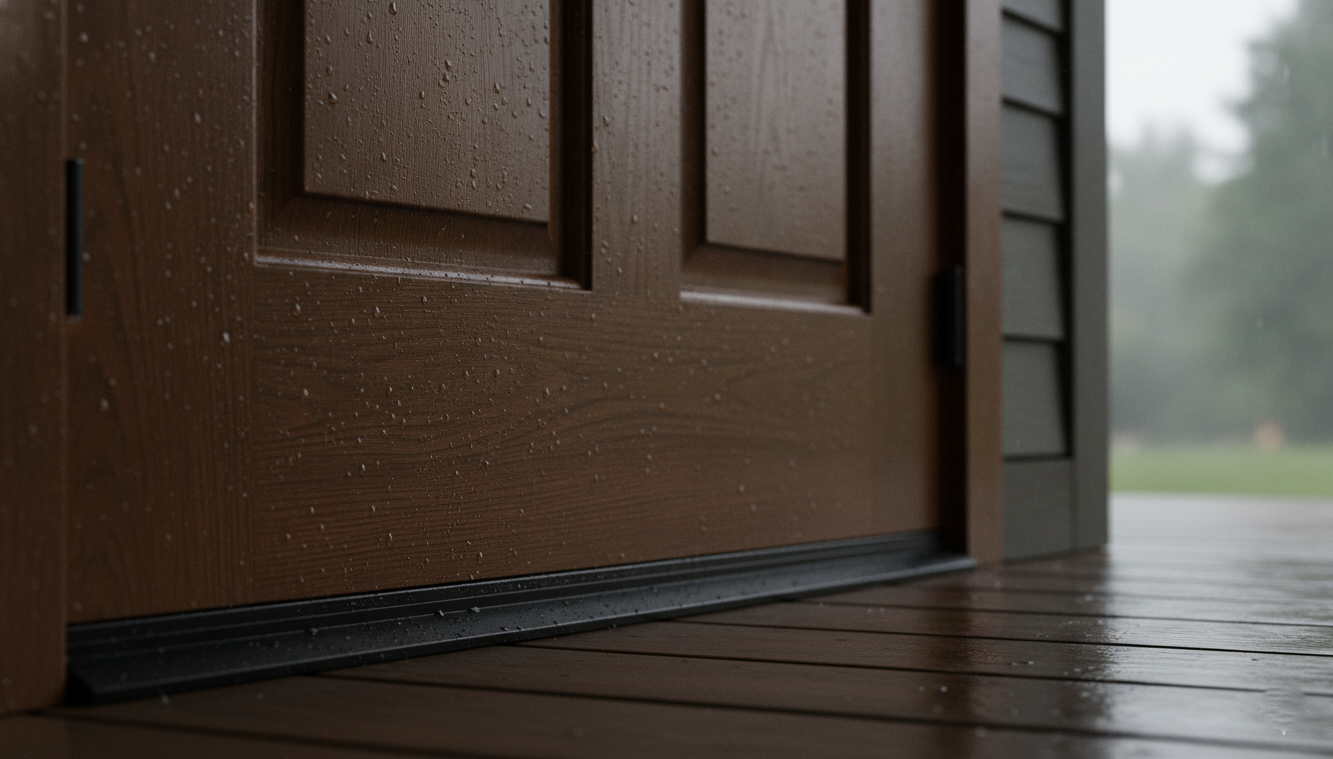
Moisture is the main cause of problems with wooden doors because the wood swells when humidity rises and shrinks when it falls. Managing moisture prevents warping, swelling, and sticking.
Keep indoor humidity reasonably stable, using a humidifier in dry winter months and a dehumidifier in humid summer months. Make sure exterior weatherstripping stays intact so moisture cannot reach the door’s edges.
For exterior doors, an overhang or awning that shields the door from direct rain and sun significantly extends the life of both the wood and the finish. A fully sealed finish on all six sides is the best defense against moisture-driven warping.
Minor surface damage is normal on a wood door and is best fixed early, before it exposes bare wood or spreads. Match the repair to the type of damage.
Disguise shallow scratches with a wood touch-up pen, a wax fill stick, or a matching stain marker rubbed along the scratch. Always test the color on a hidden area first.
Fill deeper dents and gouges with a matching wood filler, sand the area smooth once it dries, and reapply the finish to blend it in. For small dents in unfinished wood, a damp cloth and a warm iron can sometimes steam the fibers back up.
Lightly sand a sun-faded or worn patch and recoat it with the matching finish. Catching these spots early keeps the whole door from needing a full refinish.
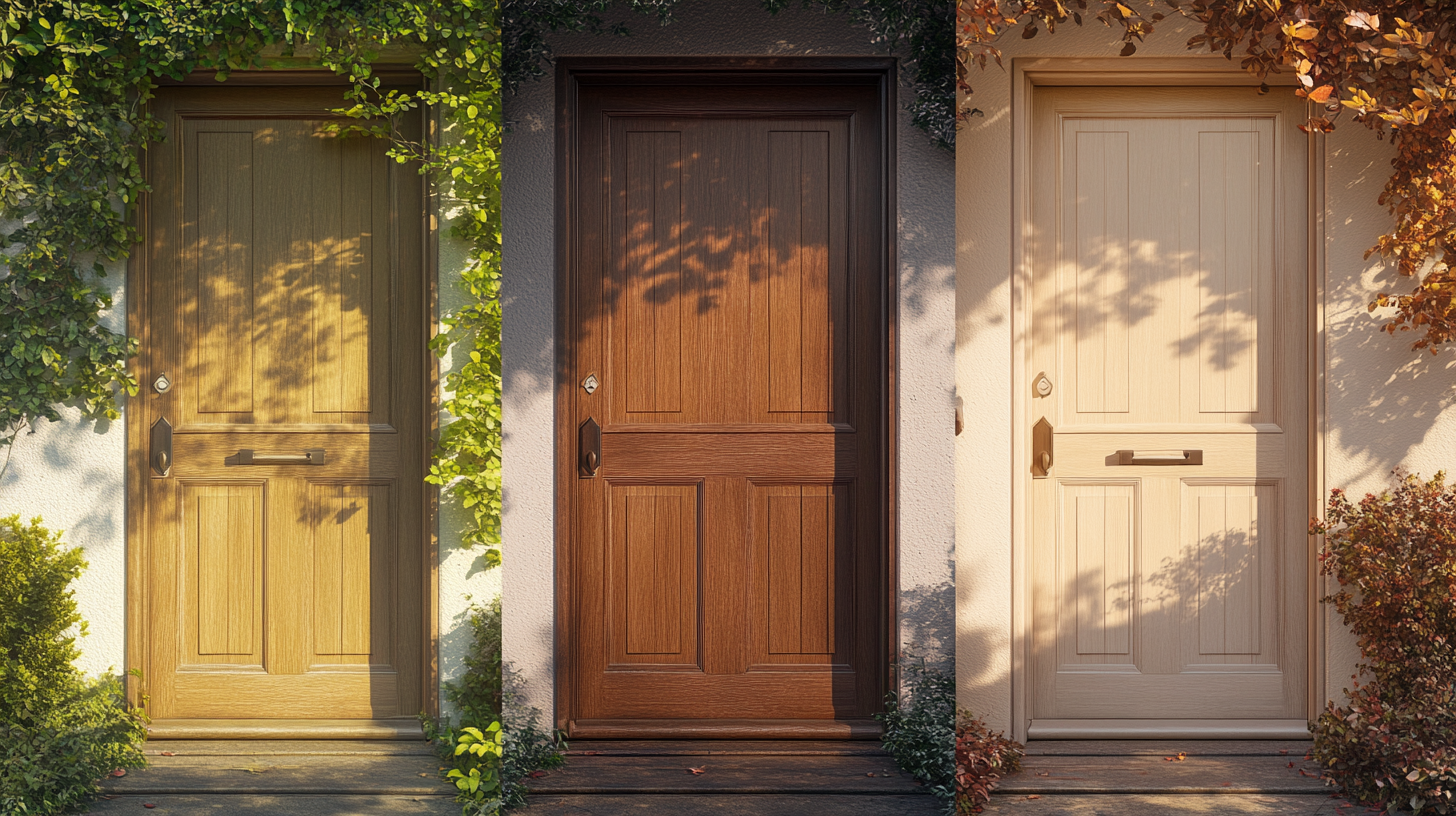
A consistent schedule keeps maintenance manageable and routine, rather than letting problems pile up. Exterior doors need more frequent end-of-range cleaning; interior doors need less.
|
Frequency |
Maintenance Tasks |
|
Weekly to monthly |
Dust the door and wipe away fingerprints and grime. |
|
Quarterly |
Inspect and lubricate hinges and locks, check the weatherstripping, and look over the finish for wear. |
|
Annually |
Deep clean the door, touch up scratches, and assess whether the finish needs resealing. |
|
Every 1-3 years |
Reseal or refinish exterior doors – sooner for doors with heavy sun or weather exposure. |
|
Spring and fall |
Check alignment, reseal gaps, and confirm the threshold and weatherstripping are sealing before extreme weather. |
Following this rhythm is far cheaper than repairing a warped, cracked, or water-damaged door later.
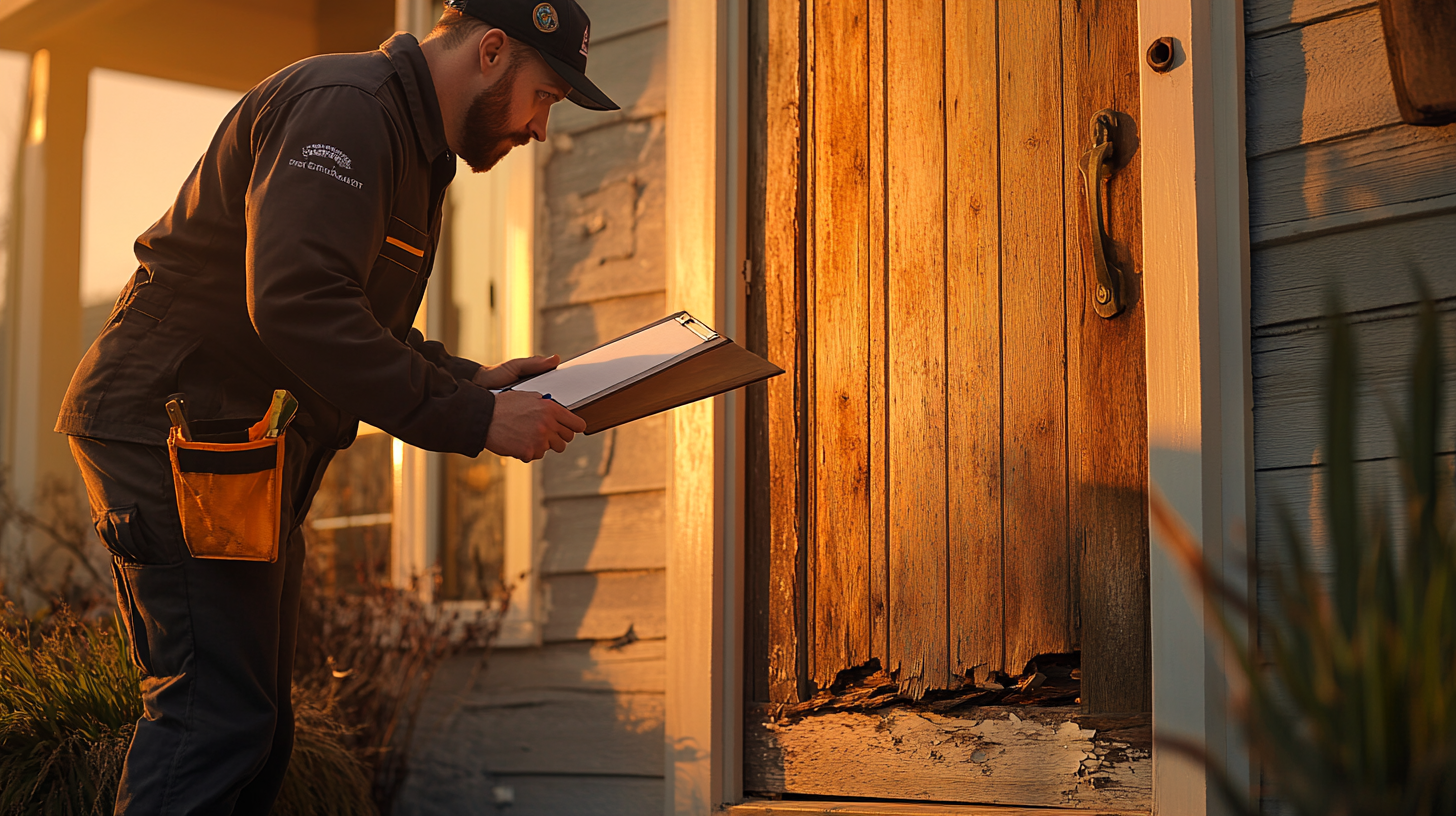
Maintenance handles most wear and tear, but some problems require a door to be professionally repaired or replaced. Watch for these signs.
Persistent sticking or warping that does not resolve after adjusting the hinge points to moisture damage in the wood itself. Soft or rotted spots, large cracks running through the panel, or a damaged bottom edge from water are structural problems that require professional care.
Drafts or daylight around a closed door, or a lock that no longer secures properly, signal that the door or its frame has shifted. A finish that has failed across the entire door, with graying wood underneath, may be restorable with a full refinish, but only if the wood is still sound.
When the wood is sound, refinishing or door replacement can restore it. When the door is rotted, badly warped, or no longer secure, a new door installation is the better long-term investment. For homeowners in New Jersey, our team can assess whether a door is worth restoring or due for replacement.


Embark On Your Build With Us!
we will be in touch with you soon
